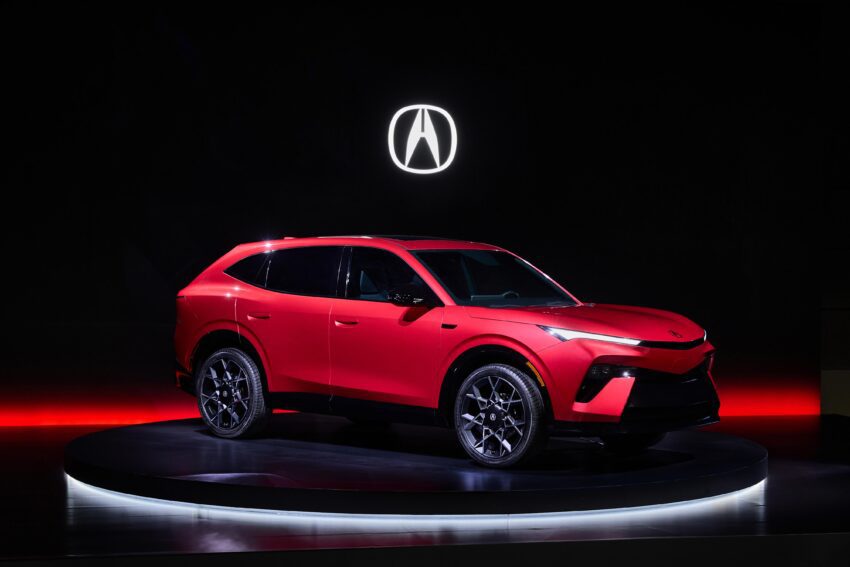
honda s hybrid future starts with new Honda has unveiled prototypes of its new hybrid models, the Accord sedan and Acura RDX SUV, signaling a significant shift in its strategy towards hybrid technology.
honda s hybrid future starts with new
Introduction to Honda’s Hybrid Strategy
During its annual business briefing this week, Honda showcased prototypes of two pivotal hybrid vehicles: the Accord sedan and the Acura RDX SUV. These models are built on a new platform that Honda plans to roll out starting next year. The RDX, in particular, marks a milestone as Honda’s first SUV to incorporate the next-generation version of its two-motor hybrid system, which is designed to enhance fuel efficiency and performance.
Details of the New Prototypes
Accord Sedan
The new Accord prototype is expected to continue Honda’s legacy of producing reliable and efficient sedans. While specific details regarding the powertrain and features have yet to be fully disclosed, the integration of hybrid technology suggests a focus on sustainability without compromising the driving experience. The Accord has historically been a popular choice among consumers seeking a balance of performance, comfort, and fuel economy.
Acura RDX SUV
The Acura RDX prototype represents a significant advancement in Honda’s hybrid offerings. As the first SUV to utilize the next-generation two-motor hybrid system, the RDX aims to deliver improved performance metrics while maintaining the luxury and comfort expected from the Acura brand. The hybrid system is designed to optimize power delivery and efficiency, making it an appealing option for consumers looking for an environmentally friendly SUV without sacrificing performance.
Shift in Honda’s Electric Vehicle Strategy
In a notable change of direction, Honda has announced that it will no longer pursue its previous goal of having 20% of its sales come from electric vehicles (EVs) by 2030. Additionally, the automaker has revised its long-term target of achieving 100% EV and fuel cell vehicle sales by 2040. Instead, Honda plans to reallocate more development and production resources towards hybrid models, reflecting a strategic pivot in response to market demands and technological advancements.
Reasons Behind the Shift
This shift in strategy can be attributed to several factors:
- Market Demand: Consumer interest in hybrid vehicles has remained strong, particularly as fuel prices fluctuate and environmental concerns grow. Honda’s decision to focus on hybrids allows it to meet current consumer preferences while still working towards electrification.
- Technological Advancements: The development of hybrid technology has advanced significantly, allowing manufacturers like Honda to offer vehicles that are both efficient and powerful. By investing in hybrids, Honda can leverage these advancements to enhance its product lineup.
- Competitive Landscape: The automotive market is increasingly competitive, with many manufacturers investing heavily in electric vehicles. By focusing on hybrids, Honda can differentiate itself and maintain its market share while still exploring electric options.
Implications for Honda and the Automotive Industry
Honda’s decision to prioritize hybrid models over a strict focus on electric vehicles has broader implications for both the company and the automotive industry as a whole. As automakers navigate the transition to more sustainable transportation options, the balance between hybrids and fully electric vehicles will be crucial.
Impact on Honda’s Brand Image
By emphasizing hybrid technology, Honda may strengthen its brand image as a leader in fuel-efficient vehicles. The Accord and RDX prototypes are likely to attract environmentally conscious consumers who are looking for alternatives to traditional gasoline-powered vehicles. This strategy may also appeal to those who are hesitant to fully commit to electric vehicles due to concerns about charging infrastructure and range anxiety.
Broader Industry Trends
Honda’s pivot towards hybrids reflects a trend seen across the automotive industry. Many manufacturers are recognizing the importance of offering a diverse range of powertrains to meet varying consumer needs. As the market evolves, hybrids may serve as a bridge for consumers transitioning from gasoline vehicles to fully electric options.
Stakeholder Reactions
The announcement has elicited various reactions from stakeholders, including industry analysts, environmental advocates, and consumers.
Industry Analysts
Many industry analysts view Honda’s decision as a pragmatic approach to current market conditions. With the ongoing challenges of supply chain disruptions and the rising costs associated with EV production, focusing on hybrids may allow Honda to remain competitive while continuing to invest in future electric technologies.
Environmental Advocates
Environmental advocates have expressed mixed feelings regarding Honda’s shift. While hybrids are generally seen as a step towards reducing emissions compared to traditional vehicles, some advocates argue that the focus should be on fully electric vehicles to achieve long-term sustainability goals. The concern is that an emphasis on hybrids may delay the transition to a fully electric future.
Consumer Perspectives
Consumer reactions have been largely positive, particularly among those who appreciate the practicality of hybrid vehicles. Many consumers are looking for options that provide better fuel efficiency without the limitations associated with fully electric vehicles. Honda’s commitment to hybrids may resonate well with this demographic, potentially boosting sales in the coming years.
Future Outlook for Honda
Looking ahead, Honda’s strategy to focus on hybrid models could position the company favorably in a rapidly changing automotive landscape. By launching the Accord and RDX prototypes, Honda is not only reaffirming its commitment to innovation but also addressing the immediate needs of consumers.
Upcoming Models and Innovations
As Honda prepares to launch its new hybrid models, the company is also expected to explore further innovations in hybrid technology. This could include advancements in battery efficiency, regenerative braking systems, and enhanced connectivity features. The integration of these technologies will be crucial in ensuring that Honda remains competitive in the hybrid segment.
Long-Term Goals
While Honda has adjusted its short-term goals regarding electric vehicle sales, the company has not abandoned its long-term vision for sustainability. The reallocation of resources towards hybrid models does not preclude future investments in electric vehicles and fuel cell technology. Honda’s long-term goals may still include a robust lineup of electric vehicles, but the timeline and approach have been recalibrated to align with market realities.
Conclusion
Honda’s unveiling of the Accord and RDX hybrid prototypes marks a significant step in the company’s evolving strategy towards sustainable transportation. By prioritizing hybrids, Honda aims to meet consumer demand while navigating the complexities of the automotive market. As the company prepares for the launch of these models, it remains to be seen how this shift will impact its overall brand and market position in the years to come.
Source: Original report
Was this helpful?
Explore more: More Hardware & Devices Tech News Blog
Last Modified: May 15, 2026 at 2:37 pm
13 views