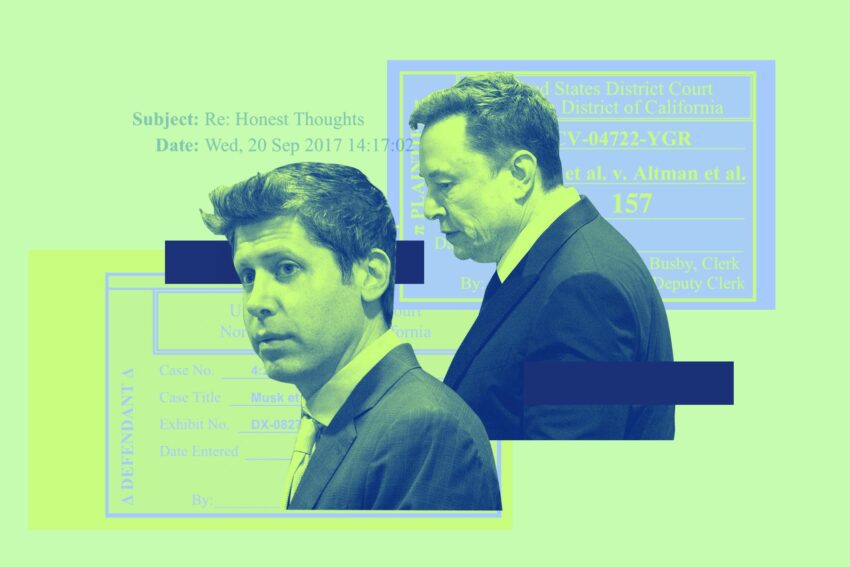
closing time The closing arguments in the Musk v. Altman trial revealed significant tensions and miscommunications, underscoring the complexities of the case surrounding artificial intelligence and corporate accountability.
closing time
Overview of the Trial
The Musk v. Altman trial has captivated the tech industry and legal observers alike, primarily due to the high-profile nature of the individuals involved. Elon Musk, the CEO of Tesla and SpaceX, is known for his outspoken views on artificial intelligence and its potential dangers. Sam Altman, the CEO of OpenAI, represents a contrasting perspective, advocating for the responsible development and deployment of AI technologies. The trial has centered on allegations made by Musk against OpenAI, claiming that the organization has deviated from its original mission and has engaged in misleading practices.
Closing Arguments: A Dramatic Conclusion
As the trial reached its conclusion, the closing arguments provided a dramatic encapsulation of the preceding weeks of testimony. Musk’s lawyer, Steven Molo, faced a challenging task in summarizing the case for the jury. His performance was marked by several notable missteps that raised questions about the strength of Musk’s claims.
Molo’s Presentation
Molo’s delivery was characterized by a lack of clarity and focus. At one point, he mistakenly referred to Greg Brockman, a co-defendant and co-founder of OpenAI, as “Greg Altman,” which not only confused the jury but also highlighted a potential lack of preparation. Such errors can undermine a lawyer’s credibility, especially in a case where the stakes are high and public scrutiny is intense.
Moreover, Molo made a controversial assertion that Musk was not seeking monetary damages, a claim that was quickly corrected by the presiding judge. This misstatement not only confused the jury but also cast doubt on the overall strategy of Musk’s legal team. The judge’s intervention served as a reminder of the importance of precision in legal arguments, particularly in a case that has garnered significant media attention.
Claims of Deception
Throughout his argument, Molo emphasized that the jury had heard from “many liars” during the trial, suggesting a pervasive dishonesty among the witnesses presented by the defense. However, he failed to substantiate these claims with concrete evidence or examples, leaving the jury with little to consider in terms of factual support for Musk’s allegations. This lack of evidence could prove detrimental to Musk’s case, as juries typically rely on clear and compelling evidence to make their decisions.
OpenAI’s Defense
In stark contrast to Molo’s approach, OpenAI’s lawyer, Sarah Eddy, delivered a well-organized and evidence-rich closing argument. Eddy’s strategy involved presenting a comprehensive timeline of the evidence collected throughout the trial, effectively countering Musk’s claims with a structured narrative that highlighted OpenAI’s commitment to transparency and ethical practices.
Chronological Presentation of Evidence
Eddy meticulously arranged the evidence in chronological order, allowing the jury to follow the developments of the case logically. This approach not only clarified OpenAI’s position but also illustrated the company’s adherence to its founding principles. By systematically addressing each point raised by Musk’s team, Eddy reinforced the notion that OpenAI has consistently acted in good faith and has not engaged in any deceptive practices.
One of the key aspects of Eddy’s argument was the emphasis on OpenAI’s mission to ensure that artificial intelligence benefits humanity. She highlighted various initiatives undertaken by the organization to promote ethical AI development, including partnerships with academic institutions and public engagement efforts. This focus on transparency and accountability served to bolster OpenAI’s credibility in the eyes of the jury.
Implications of the Trial
The outcome of the Musk v. Altman trial holds significant implications for the broader landscape of artificial intelligence and corporate governance. As AI technologies continue to evolve and permeate various sectors, the legal frameworks surrounding their development and deployment are increasingly scrutinized. This trial serves as a pivotal moment in the ongoing dialogue about the ethical responsibilities of AI companies and the potential consequences of their actions.
If Musk’s claims are upheld, it could set a precedent for increased accountability among AI organizations, compelling them to adhere more closely to their stated missions and ethical guidelines. Conversely, a ruling in favor of OpenAI could reinforce the notion that companies can operate with a degree of autonomy, provided they maintain transparency and engage with stakeholders responsibly.
Stakeholder Reactions
The trial has elicited a range of reactions from stakeholders across the tech industry, legal experts, and the public. Many observers have expressed concern about the potential ramifications of the case, particularly in terms of how it may influence future AI regulations and corporate practices.
Industry Perspectives
Industry leaders have weighed in on the trial, with some expressing support for Musk’s position while others advocate for OpenAI’s approach. Proponents of Musk’s viewpoint argue that the rapid advancement of AI technologies necessitates stricter oversight and accountability measures. They contend that without such measures, companies may prioritize profit over ethical considerations, potentially leading to harmful consequences.
On the other hand, supporters of OpenAI emphasize the importance of innovation and the need for companies to operate with a degree of flexibility. They argue that imposing overly stringent regulations could stifle creativity and hinder the development of beneficial AI applications. This divide reflects a broader debate within the tech community about the balance between innovation and responsibility.
Legal Community Insights
Legal experts have also weighed in on the implications of the trial, noting that the case could serve as a landmark moment in the intersection of technology and law. Many believe that the trial’s outcome could influence how courts interpret corporate accountability in the context of emerging technologies. The legal community is closely monitoring the proceedings, as the ruling could set important precedents for future cases involving AI and corporate governance.
Conclusion
The closing arguments in the Musk v. Altman trial encapsulate the complexities and challenges of navigating the rapidly evolving landscape of artificial intelligence. As both sides present their final cases, the jury is left to weigh the credibility of the claims made by Musk against the substantial evidence provided by OpenAI. Regardless of the outcome, this trial serves as a critical juncture in the ongoing discourse about the ethical responsibilities of AI companies and the need for accountability in an increasingly digital world.
Source: Original report
Was this helpful?
Explore more: More Big Tech & Platforms Tech News Blog
Last Modified: May 15, 2026 at 2:38 pm
10 views