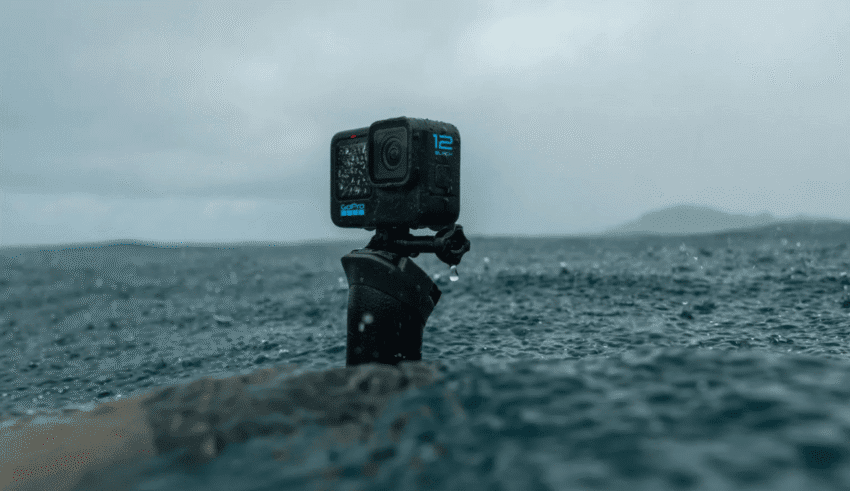
even gopro is pivoting to defense GoPro, a well-known name in the action camera industry, is exploring new avenues by considering a pivot towards defense applications amid ongoing evaluations for a potential sale.
even gopro is pivoting to defense
Background on GoPro
Founded in 2002 by Nick Woodman, GoPro initially gained fame for its compact, durable cameras designed for extreme sports enthusiasts. The company’s products have been widely adopted by athletes, adventurers, and content creators alike, allowing users to capture high-quality video in challenging conditions. Over the years, GoPro has expanded its product line to include various models, accessories, and software solutions aimed at enhancing the user experience.
Despite its early success, GoPro has faced significant challenges in recent years. The rise of smartphone cameras, which offer high-quality photography and video capabilities, has led to increased competition. Additionally, the company has struggled with fluctuating sales and profitability, prompting it to explore new markets and revenue streams.
The Shift Towards Defense Applications
In a strategic move to diversify its offerings, GoPro is now considering applications within the defense sector. This pivot reflects a broader trend among technology companies seeking to leverage their expertise in imaging and video technology for military and defense purposes. The defense industry has increasingly recognized the value of advanced imaging solutions for surveillance, reconnaissance, and training applications.
Potential Applications in Defense
GoPro’s existing technology could be adapted for various defense applications, including:
- Surveillance: High-definition cameras can be used for monitoring and reconnaissance missions, providing real-time video feeds to military personnel.
- Training: Action cameras can be employed in training scenarios, allowing soldiers to review their performance and improve their skills.
- Situational Awareness: Wearable cameras can enhance situational awareness for troops in the field, enabling them to capture critical moments and share information with command centers.
By tapping into these applications, GoPro could not only expand its market reach but also stabilize its revenue streams in a challenging economic environment.
Market Context and Implications
The defense sector is known for its substantial budgets and long-term contracts, making it an attractive market for technology companies. As geopolitical tensions rise and nations invest more in defense capabilities, the demand for advanced imaging technologies is expected to grow. This trend presents an opportunity for GoPro to establish itself as a key player in this lucrative market.
However, entering the defense sector is not without its challenges. The regulatory landscape surrounding defense contracts is complex, and companies must navigate various compliance requirements. Additionally, GoPro will need to adapt its products to meet the specific needs of military applications, which may differ significantly from consumer-focused features.
Stakeholder Reactions
The news of GoPro’s potential pivot has elicited mixed reactions from stakeholders. Investors are cautiously optimistic, viewing the defense sector as a potential lifeline for the company. Analysts suggest that diversifying into defense could provide GoPro with a more stable revenue base, reducing its reliance on consumer sales.
On the other hand, some industry experts express concerns about the implications of such a shift. Critics argue that entering the defense market could dilute GoPro’s brand identity, which has been built around adventure and creativity. Additionally, there are ethical considerations surrounding the use of technology in military applications, which may alienate some of GoPro’s core customer base.
Consumer Sentiment
Consumer sentiment towards GoPro’s potential pivot is varied. Some loyal customers appreciate the company’s innovative spirit and willingness to explore new markets. Others, however, are apprehensive about the ethical implications of aligning with the defense industry. This division in consumer opinion could impact GoPro’s brand image and sales as it navigates this transition.
Financial Considerations
As GoPro evaluates its options, financial considerations play a crucial role in its decision-making process. The company has experienced fluctuating revenues in recent years, prompting it to seek new avenues for growth. A pivot to defense could provide a much-needed boost to its financial performance, especially if it successfully secures contracts with government agencies.
Moreover, the potential sale of GoPro adds another layer of complexity to its strategy. If the company is acquired, the new ownership may have different priorities and may or may not support a shift towards defense applications. This uncertainty could impact GoPro’s ability to execute its pivot effectively.
Comparative Analysis with Other Tech Companies
GoPro is not alone in its pursuit of defense applications. Several technology companies have successfully transitioned into the defense sector, leveraging their expertise in imaging, data analytics, and artificial intelligence. Companies like Palantir Technologies and Boeing have established themselves as key players in defense contracting, showcasing the potential for growth in this market.
For instance, Palantir has developed advanced data analytics platforms that assist military organizations in making informed decisions based on real-time data. Similarly, Boeing has integrated advanced imaging technologies into its defense offerings, enhancing situational awareness for military personnel.
GoPro’s challenge will be to differentiate itself in a crowded market while maintaining its core identity. The company will need to demonstrate how its technology can provide unique value to defense applications, setting it apart from established competitors.
Future Outlook
The future of GoPro hinges on its ability to navigate the complexities of the defense sector while remaining true to its brand identity. As the company evaluates its options, it must weigh the potential benefits of entering the defense market against the risks and challenges involved.
In the coming months, GoPro will likely continue to explore partnerships and collaborations within the defense industry. By aligning itself with established defense contractors and government agencies, the company can gain valuable insights and access to resources that will facilitate its entry into this new market.
Strategic Partnerships
Forming strategic partnerships will be crucial for GoPro as it seeks to establish a foothold in the defense sector. Collaborating with defense contractors can provide the company with the necessary expertise and credibility to navigate the complexities of military applications. Additionally, partnerships can help GoPro leverage existing supply chains and distribution networks, accelerating its entry into the market.
Conclusion
GoPro’s exploration of defense applications marks a significant shift in its business strategy, reflecting broader trends within the technology industry. As the company evaluates a potential sale and considers new revenue streams, its pivot towards defense could provide both opportunities and challenges. The success of this transition will depend on GoPro’s ability to adapt its technology for military applications while maintaining its core brand identity. As the defense sector continues to evolve, GoPro’s strategic decisions will play a pivotal role in shaping its future.
Source: Original report
Was this helpful?
Explore more: More Business & Startups Tech News Blog
Last Modified: May 15, 2026 at 6:36 pm
30 views