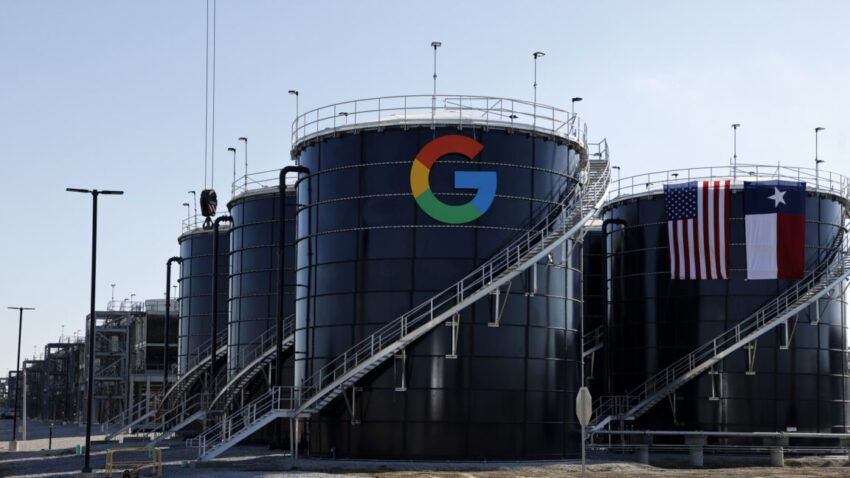
google s ai buildout drove 37 increase Google’s recent sustainability report reveals a significant increase in its electricity consumption, driven largely by the rapid expansion of its artificial intelligence (AI) infrastructure.
google s ai buildout drove 37 increase
Electricity Consumption Surge
In 2025, Google reported a staggering 37 percent rise in annual electricity consumption, marking the largest increase in the company’s history. This surge is attributed to the ongoing buildout of AI data centers, which have become critical to supporting various AI products and services. The company has noted that this trend is not isolated; in 2024, Google’s electricity usage had already increased by 27 percent, indicating a consistent upward trajectory in energy demands.
The substantial rise in electricity consumption is reflective of broader trends within the tech industry, where the integration of AI technologies necessitates more robust data center capabilities. As companies like Google invest heavily in AI, the energy requirements for processing and storing vast amounts of data continue to grow. This has raised concerns about the environmental impact of such expansions, particularly in terms of carbon emissions and reliance on fossil fuels.
Factors Contributing to Increased Energy Use
Growth in Google Cloud and YouTube
Google attributes much of its increased electricity usage to the growth of its cloud services and video streaming platform, YouTube. As more businesses and individuals rely on cloud computing for storage and processing, the demand for energy-intensive data centers has surged. Additionally, the rise in video consumption on platforms like YouTube requires significant computational power for streaming, processing, and delivering content to users worldwide.
AI Infrastructure Expansion
The expansion of AI infrastructure is another critical factor driving electricity consumption. Google has been at the forefront of AI development, investing in machine learning and deep learning technologies that require substantial computational resources. This includes the construction of new data centers and the upgrading of existing facilities to accommodate the increased processing needs associated with AI workloads.
Environmental Impact and Carbon Emissions
Despite the dramatic rise in electricity consumption, Google has made strides in keeping its operational carbon emissions in check. The company has committed to purchasing large quantities of clean energy to power its operations. According to the sustainability report, Google has focused on scaling abundant and affordable clean power globally, which is essential for mitigating the environmental impact of its energy consumption.
Google’s commitment to sustainability is evident in its efforts to decarbonize its operations. The company has been investing in renewable energy sources, such as solar and wind power, to meet its energy needs. This approach not only helps reduce carbon emissions but also positions Google as a leader in the tech industry’s transition to cleaner energy sources.
Long-Term Sustainability Goals
Google’s sustainability report emphasizes the company’s long-term goals in addressing climate change. The report states, “While the path to achieving our climate ambitions will not be linear—given our AI infrastructure buildout is currently accelerating faster than the grid is decarbonizing—we remain focused on scaling abundant and affordable clean power globally and progressing technological innovations that drive down emissions across our operations and the broader industry.”
This acknowledgment of the challenges associated with balancing rapid growth in AI infrastructure and the decarbonization of the energy grid highlights the complexities that tech companies face in their sustainability efforts. As AI technologies continue to evolve, the demand for energy will likely increase, necessitating ongoing investments in clean energy solutions and innovative technologies.
Stakeholder Reactions
The significant increase in electricity consumption has elicited varied reactions from stakeholders, including environmental advocates, industry analysts, and consumers. Many environmentalists have expressed concerns about the long-term implications of such energy demands, particularly in the context of climate change and the need for sustainable practices. Critics argue that while Google’s commitment to clean energy is commendable, the sheer scale of energy consumption raises questions about the overall environmental impact of its operations.
On the other hand, industry analysts have pointed out that Google’s investments in clean energy and sustainability initiatives could serve as a model for other tech companies. By prioritizing renewable energy sources and striving to reduce carbon emissions, Google is setting a standard for corporate responsibility in the tech sector. This may encourage other companies to adopt similar practices, ultimately contributing to a more sustainable future.
Broader Implications for the Tech Industry
The implications of Google’s electricity consumption surge extend beyond the company itself. As AI technologies become increasingly integrated into various industries, the demand for energy will likely rise across the board. This trend raises important questions about the sustainability of tech operations and the environmental impact of data centers.
Moreover, the tech industry as a whole must grapple with the challenge of balancing growth and sustainability. As companies expand their AI capabilities, they will need to invest in clean energy solutions and innovative technologies that can help mitigate the environmental impact of their operations. This may involve exploring new energy sources, improving energy efficiency, and developing carbon capture technologies.
Conclusion
Google’s 37 percent increase in electricity consumption in 2025 underscores the growing energy demands associated with the rapid expansion of AI infrastructure. While the company has made significant strides in reducing carbon emissions through its commitment to clean energy, the challenges of balancing growth and sustainability remain. As the tech industry continues to evolve, it will be crucial for companies to prioritize sustainable practices and invest in innovative solutions that can help address the environmental impact of their operations.
As stakeholders continue to monitor Google’s progress and the broader implications for the tech industry, the focus on sustainability will likely intensify. The path forward will require collaboration among tech companies, policymakers, and environmental advocates to ensure that the benefits of AI and technological advancements do not come at the expense of the planet.
Source: Original report
Was this helpful?
Explore more: AI Automation Services More AI & Automation Tech News
Last Modified: July 2, 2026 at 6:35 pm
9 views