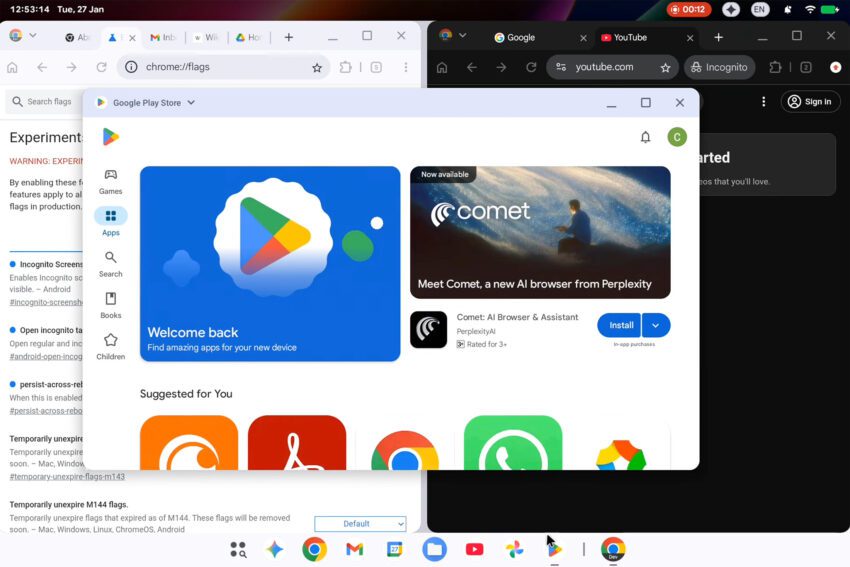
google just leaked a first look at Google has inadvertently provided a glimpse into its upcoming hybrid operating system, Aluminium OS, which combines elements of Android and ChromeOS.
google just leaked a first look at
Introduction to Aluminium OS
For months, tech enthusiasts and industry observers have been eagerly anticipating a first look at Android running on a PC through Google’s new platform, Aluminium OS. This operating system aims to merge the best features of Android and ChromeOS, creating a unique experience tailored for personal computers. The recent leak, which surfaced via a bug report on the Google Issue Tracker, has finally given us a sneak peek into how Aluminium OS operates.
The Leak: What We Know
The leak was first reported by 9to5Google, which discovered a bug report related to Chrome Incognito tabs that included two screen recordings from a device running Aluminium OS. Although Google has since restricted access to the report, the videos were captured before the restriction was enforced, allowing for an early look at the operating system in action.
Details from the Bug Report
The bug report not only showcased the functionality of Aluminium OS but also referenced an ALOS software version, confirming the initialism for Aluminium OS. This is significant as it indicates that the operating system is in a stage of active development, and Google is testing its features and capabilities.
Visual and Functional Elements
The screen recordings revealed a user interface that appears to be a hybrid of Android and ChromeOS. The design elements suggest a focus on usability and accessibility, with features that are familiar to users of both operating systems. The interface includes a taskbar similar to that of ChromeOS, alongside Android-style app icons and widgets.
One of the standout features demonstrated in the videos is the ability to run Android applications seamlessly on a PC. This capability is particularly noteworthy as it opens up a new realm of possibilities for app developers and users alike. The integration of Android apps into a desktop environment could significantly enhance productivity and user experience.
Implications for Users and Developers
The introduction of Aluminium OS has several implications for both users and developers. For users, the ability to run Android apps on a PC could lead to a more versatile computing experience. This is especially relevant for those who rely on specific Android applications for work or personal use. The seamless integration of these apps into a desktop environment could streamline workflows and improve efficiency.
Impact on the PC Market
From a market perspective, Aluminium OS could disrupt the traditional PC landscape. By offering a hybrid operating system that combines the strengths of Android and ChromeOS, Google is positioning itself to compete more aggressively with established players in the PC market, such as Microsoft and Apple. This could lead to increased competition, potentially resulting in better products and services for consumers.
Developer Opportunities
For developers, Aluminium OS presents new opportunities to reach a broader audience. With the ability to create applications that function across both Android and PC environments, developers can expand their user base and increase their potential for revenue. This cross-platform capability could also encourage innovation, as developers explore new ways to leverage the strengths of both operating systems.
Stakeholder Reactions
The leak has generated a variety of reactions from stakeholders in the tech industry. Many developers and users have expressed excitement about the potential of Aluminium OS, viewing it as a significant step forward in the evolution of operating systems. The prospect of a unified platform that combines the best features of Android and ChromeOS has been met with enthusiasm.
Concerns and Criticisms
However, not all feedback has been positive. Some critics have raised concerns about the potential fragmentation of the Android ecosystem. The introduction of a new operating system could complicate the development process for apps, as developers may need to create separate versions for different platforms. This fragmentation could lead to inconsistencies in user experience and app performance.
Google’s Response
In response to the leak and the subsequent discussions, Google has remained relatively silent. The company has not provided any official statements regarding Aluminium OS or the features showcased in the leaked videos. This lack of communication has led to speculation about the timeline for the operating system’s release and its future direction.
Comparative Analysis: Aluminium OS vs. Existing Platforms
To better understand the potential impact of Aluminium OS, it is essential to compare it with existing platforms such as Windows, macOS, and even ChromeOS. Each of these operating systems has its strengths and weaknesses, and Aluminium OS aims to carve out its niche by offering a unique blend of features.
Windows and macOS
Windows and macOS are the dominant players in the PC market, each with a loyal user base. Windows is known for its compatibility with a wide range of software applications, while macOS is praised for its sleek design and user-friendly interface. However, both operating systems have limitations when it comes to mobile app integration.
Aluminium OS could potentially fill this gap by providing a platform that allows users to run Android applications alongside traditional desktop software. This could make it particularly appealing to users who rely on mobile apps for productivity, entertainment, or communication.
ChromeOS
ChromeOS, on the other hand, has gained traction in the education sector and among users who primarily use web-based applications. While it offers a lightweight and efficient experience, it lacks the extensive app ecosystem that Android provides. Aluminium OS aims to bridge this gap, offering a more comprehensive solution for users who require both web and mobile app functionality.
The Future of Aluminium OS
As the development of Aluminium OS continues, several questions remain unanswered. What features will be included in the final version? How will Google address the concerns surrounding fragmentation? And perhaps most importantly, when can users expect to see Aluminium OS available for public use?
Potential Release Timeline
While Google has not provided a specific timeline for the release of Aluminium OS, the leak suggests that the operating system is in an advanced stage of development. Industry analysts speculate that a beta version could be available within the next year, with a full release following shortly after. However, this is purely speculative, and users will need to remain patient as Google finalizes the platform.
Conclusion
The leak of Aluminium OS has provided valuable insights into Google’s vision for a hybrid operating system that combines the best aspects of Android and ChromeOS. As the tech community eagerly awaits further developments, the implications for users, developers, and the broader PC market are becoming increasingly clear. Whether Aluminium OS will succeed in carving out its niche remains to be seen, but the excitement surrounding its potential is undeniable.
Source: Original report
Was this helpful?
Explore more: Mobile App Development More Mobile Technology Tech News
Last Modified: January 28, 2026 at 2:36 pm
14 views