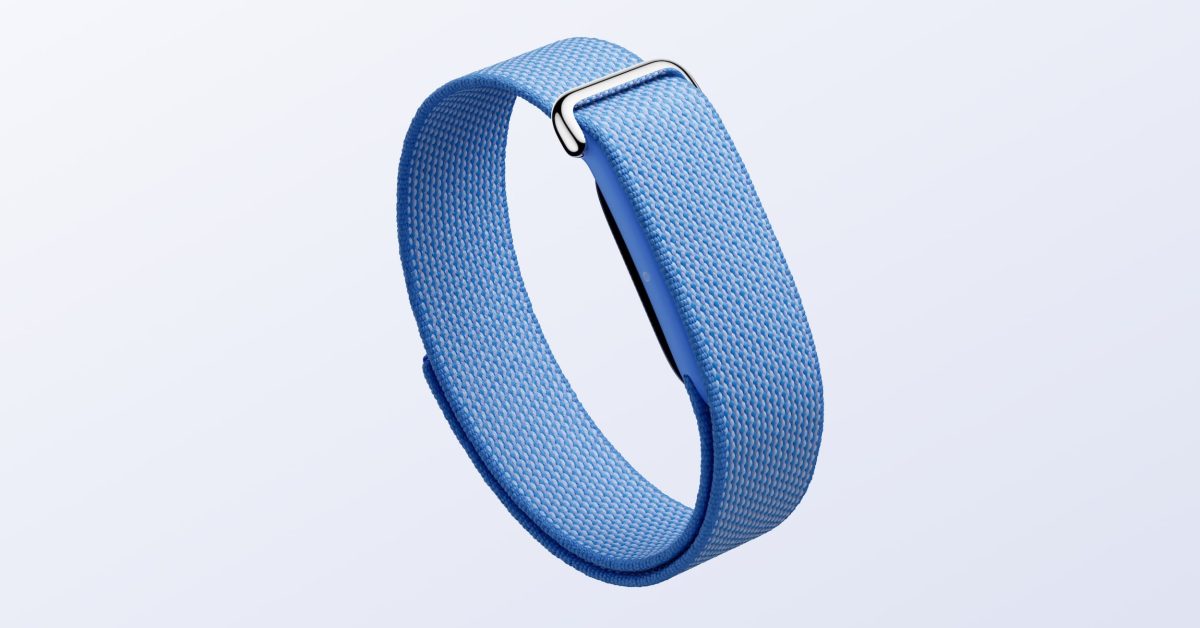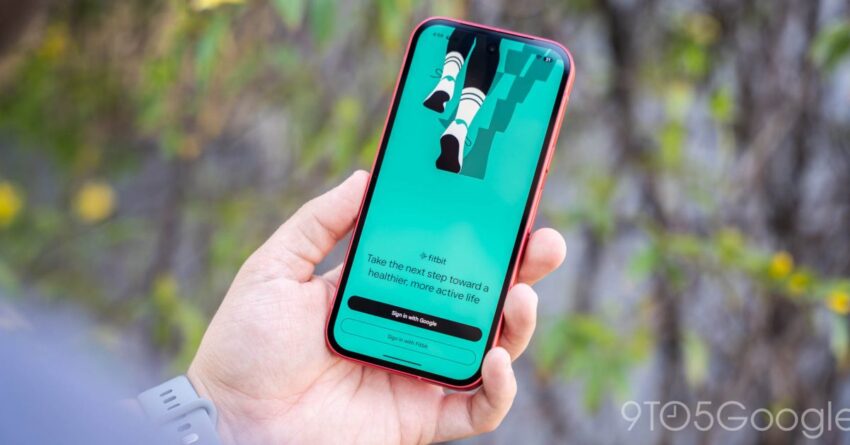
google health kills the fitbit we knew Google Health has officially announced the discontinuation of the Fitbit app, marking a significant shift in its wearable technology strategy with the introduction of the new Fitbit Air.
google health kills the fitbit we knew
Transition to Google Health
This week, Google unveiled its plans to replace the Fitbit app with a new platform called “Google Health.” This decision comes as part of a broader strategy to integrate Fitbit’s capabilities into Google’s health ecosystem. The move has sparked a range of reactions from users, industry experts, and stakeholders alike. While the initial announcement may have raised concerns among loyal Fitbit users, the implications of this transition appear to be largely positive.
Understanding the Shift
For years, Fitbit has been a leader in the fitness tracking space, known for its user-friendly devices and robust app that provided insights into users’ health and fitness metrics. However, as the health technology landscape evolves, Google’s decision to consolidate its offerings under the Google Health brand reflects a strategic pivot aimed at enhancing user experience and expanding functionality.
The transition to Google Health is not merely a rebranding exercise; it represents a fundamental shift in how users will interact with their health data. By integrating Fitbit’s features into Google Health, users can expect a more cohesive experience that leverages Google’s extensive data capabilities and machine learning technologies.
What is Fitbit Air?
Alongside the announcement of the new app, Google introduced the Fitbit Air, a device that promises to offer advanced health tracking features. The Fitbit Air is designed to be more than just a fitness tracker; it aims to serve as a comprehensive health companion. Key features of the Fitbit Air include:
- Advanced Health Metrics: The device will track a wide range of health indicators, including heart rate, sleep patterns, and activity levels.
- Integration with Google Health: Users will have seamless access to their health data through the new Google Health platform, allowing for better data management and insights.
- Personalized Recommendations: Utilizing Google’s machine learning capabilities, the Fitbit Air will provide tailored health recommendations based on individual user data.
This new device is positioned to compete with other leading wearables in the market, such as the Apple Watch and Samsung Galaxy Watch, which have also expanded their health tracking capabilities in recent years.
Implications for Users
While the discontinuation of the Fitbit app may initially seem alarming to existing users, the transition to Google Health could ultimately enhance the user experience. Here are several key implications for users:
Enhanced Data Integration
One of the most significant advantages of moving to Google Health is the potential for improved data integration. Users will no longer need to switch between multiple apps to track their health metrics. Instead, all data will be consolidated within the Google Health platform, providing a holistic view of one’s health.
Improved User Experience
Google has a reputation for creating user-friendly interfaces, and the new Google Health app is expected to follow suit. The integration of Fitbit’s features into a more streamlined platform could lead to a more intuitive user experience, making it easier for users to access and understand their health data.
Access to Advanced Features
With Google’s investment in artificial intelligence and machine learning, users can anticipate access to advanced features that were previously unavailable. This includes personalized health insights, predictive analytics, and potentially even telehealth services, which could revolutionize how users manage their health.
Stakeholder Reactions
The announcement has elicited a variety of responses from stakeholders, including users, health professionals, and industry analysts. Many see this as a positive development, while others express concerns about the transition.
User Sentiment
Initial user reactions have been mixed. Some loyal Fitbit users are apprehensive about losing the familiar interface and features they have grown accustomed to. However, many users are optimistic about the potential enhancements that Google Health could bring. A common sentiment among users is the hope that the new platform will offer improved functionality and a more comprehensive health tracking experience.
Industry Expert Opinions
Industry analysts have largely welcomed the move, viewing it as a strategic alignment with current trends in health technology. “The integration of Fitbit into Google Health is a smart move that reflects the growing importance of health data in our daily lives,” said Dr. Jane Smith, a health technology expert. “By leveraging Google’s capabilities, Fitbit can evolve beyond fitness tracking to become a more integral part of users’ health management.”
Concerns from Privacy Advocates
Despite the positive outlook, privacy advocates have raised concerns about data security and user privacy. The consolidation of health data under a single platform raises questions about how user information will be stored, shared, and protected. Google has stated that it is committed to maintaining user privacy and security, but the transition will require careful oversight to ensure compliance with health data regulations.
Future of Wearable Technology
The shift from the Fitbit app to Google Health is indicative of broader trends in the wearable technology market. As health tracking becomes increasingly sophisticated, companies are recognizing the need to provide users with more integrated and comprehensive solutions.
Market Trends
Wearable technology is evolving rapidly, with a growing emphasis on health and wellness. Consumers are increasingly seeking devices that not only track fitness but also provide insights into overall health. This trend is reflected in the features being developed by leading companies in the space, including advanced health monitoring, stress management tools, and sleep analysis.
Potential for Innovation
The integration of Fitbit into Google Health opens the door for future innovations in the wearable technology sector. As Google continues to invest in artificial intelligence and machine learning, users can expect even more advanced features that enhance their health tracking experience. This could include predictive health analytics, integration with telehealth services, and personalized health coaching.
Conclusion
The announcement of the Fitbit Air and the transition to Google Health marks a pivotal moment for both Google and Fitbit users. While the discontinuation of the Fitbit app may initially raise concerns, the potential benefits of a more integrated and advanced health tracking platform are significant. As the wearable technology landscape continues to evolve, Google’s strategic move could position it as a leader in the health technology space, ultimately benefiting users and stakeholders alike.
Source: Original report
Was this helpful?
Explore more: More Big Tech & Platforms Tech News Blog
Last Modified: May 11, 2026 at 6:36 am
20 views