fitbit air has status light and double-tap Fitbit has unveiled its latest wearable device, the Fitbit Air, which introduces a status light and a double-tap gesture, while also drawing comparisons to the size of the Whoop fitness tracker.
fitbit air has status light and double-tap
Overview of the Fitbit Air
The Fitbit Air is designed to cater to fitness enthusiasts and casual users alike, offering a sleek and minimalist design that prioritizes comfort and usability. Unlike its predecessors, the Fitbit Air emphasizes a more streamlined aesthetic, making it less obtrusive during daily activities. This design philosophy aligns with current trends in wearable technology, where users are increasingly seeking devices that blend seamlessly into their lifestyles.
Design Features
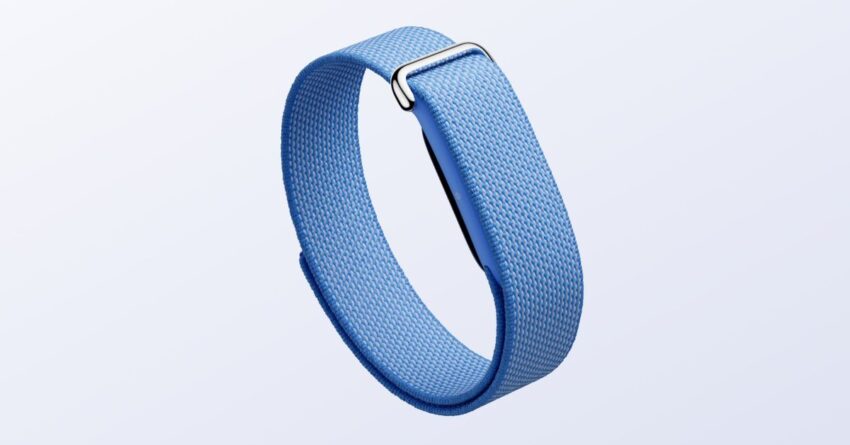
The hardware design of the Fitbit Air is straightforward, focusing on functionality without unnecessary embellishments. The device is lightweight, ensuring that it can be worn throughout the day without causing discomfort. The material used in the construction is durable yet flexible, allowing for a snug fit on various wrist sizes.
Status Light
One of the standout features of the Fitbit Air is its status light. This LED indicator provides users with real-time feedback on their activity levels and notifications. The status light is designed to be intuitive, with different colors representing various alerts. For instance, a green light may indicate that the user is within their target heart rate zone, while a red light could signal that they need to increase their activity level.
This feature enhances user engagement by providing immediate visual feedback, encouraging users to stay active throughout the day. The incorporation of a status light is particularly beneficial for those who may not always have their smartphone nearby, as it allows for quick checks on fitness progress and notifications.
Double-Tap Gesture
Another innovative aspect of the Fitbit Air is its double-tap gesture functionality. Users can simply tap the device twice to cycle through various metrics, such as heart rate, step count, and calories burned. This gesture is designed to be user-friendly, allowing for quick access to essential information without the need to navigate through menus on a smartphone app.
The double-tap gesture not only enhances the user experience but also promotes a more interactive relationship with the device. Users can easily monitor their fitness levels during workouts or daily activities, making it a practical feature for those who lead active lifestyles.
Comparison with Whoop
In terms of size, the Fitbit Air has drawn comparisons to the Whoop fitness tracker, which is known for its compact design and focus on performance metrics. While both devices aim to provide users with insights into their health and fitness, they cater to slightly different audiences.
Size and Comfort
The Fitbit Air is designed to be lightweight and comfortable, making it suitable for all-day wear. In comparison, the Whoop tracker is also compact but is often perceived as more specialized, focusing heavily on performance metrics and recovery insights. The size of both devices makes them appealing to users who prefer discreet wearables that do not interfere with daily activities.
Target Audience
Fitbit has traditionally targeted a broader audience, including casual users and fitness enthusiasts. The Fitbit Air continues this trend by offering features that appeal to a wide range of users. In contrast, Whoop has carved out a niche among serious athletes and fitness professionals, emphasizing performance tracking and recovery analysis.
Implications for the Wearable Market
The introduction of the Fitbit Air with its new features reflects a growing trend in the wearable market towards devices that prioritize user engagement and real-time feedback. As consumers become more health-conscious, the demand for wearables that provide actionable insights is likely to increase.
Market Trends
Wearable technology has evolved significantly over the past few years, with a shift towards devices that offer more than just basic tracking capabilities. The Fitbit Air’s status light and double-tap gesture are indicative of this trend, as they enhance user interaction and provide immediate feedback. This focus on user experience is crucial in a competitive market where consumers have numerous options.
Stakeholder Reactions
Initial reactions from industry experts and consumers have been largely positive. Many appreciate the thoughtful design and the practical features that enhance usability. The status light, in particular, has been highlighted as a valuable addition that aligns with the needs of users seeking real-time feedback on their fitness journey.
However, some critics have pointed out that while the Fitbit Air offers innovative features, it may still face challenges in competing with more specialized devices like the Whoop tracker. The latter’s focus on performance metrics and recovery insights appeals to a specific segment of the market that may prioritize these features over general fitness tracking.
Future Developments
As Fitbit continues to innovate, it is likely that future iterations of the Air will incorporate even more advanced features. The integration of AI and machine learning could provide users with personalized insights based on their activity levels and health data. Additionally, enhancements in battery life and connectivity options may further solidify Fitbit’s position in the wearable market.
Potential for Integration
Future developments may also see increased integration with other health and wellness platforms. As users become more accustomed to tracking their health data across multiple devices, the ability to sync information seamlessly could become a key selling point. This could include partnerships with fitness apps, nutrition tracking platforms, and even telehealth services.
Conclusion
The Fitbit Air represents a significant step forward in wearable technology, combining a sleek design with practical features that enhance user engagement. Its status light and double-tap gesture are not just gimmicks; they serve to improve the overall user experience by providing immediate feedback and simplifying access to important metrics. As the wearable market continues to evolve, Fitbit’s commitment to innovation will be crucial in maintaining its competitive edge.
Source: Original report
Was this helpful?
Explore more: More Hardware & Devices Tech News Blog
Last Modified: May 11, 2026 at 6:35 am
25 views