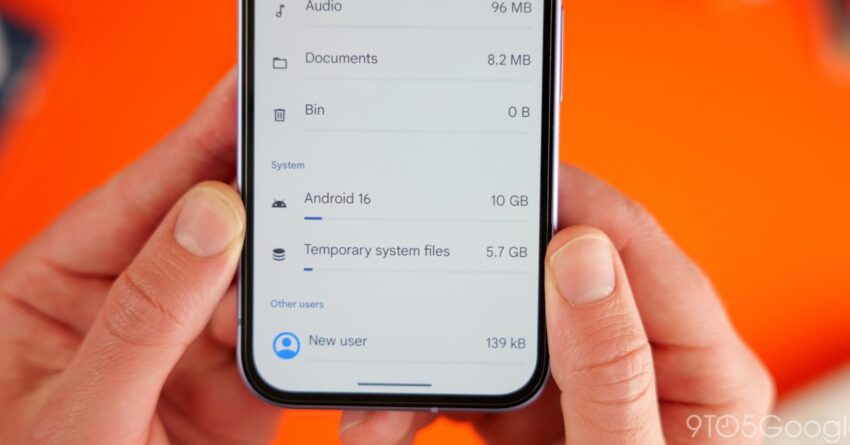
google explains why android aicore occasionally takes Google has provided insights into the storage requirements of Android AICore, particularly regarding the occasional spikes in storage usage.
google explains why android aicore occasionally takes
Understanding Android AICore
Android AICore is a feature that allows users to leverage generative artificial intelligence capabilities directly on their Android devices, such as smartphones and tablets. This functionality is powered by advanced models, including the Gemini Nano, which are designed to perform complex tasks without relying heavily on cloud resources. By enabling these features to run locally, Google aims to enhance user experience by providing faster responses and improved privacy, as data does not need to be sent to external servers.
The Role of Generative AI
Generative AI refers to algorithms that can create new content based on the data they have been trained on. This technology has gained significant traction in recent years, with applications ranging from text generation to image synthesis. The models used in generative AI, such as Gemini Nano, are typically large and require substantial computational resources. As a result, they can consume considerable storage space on devices.
Storage Spikes Explained
Google’s recent clarification sheds light on why users may experience unexpected spikes in storage usage when utilizing Android AICore. The company explained that these spikes can be attributed to several factors:
- Model Size: The generative AI models themselves are inherently large. For instance, the Gemini Nano model is designed to handle complex tasks, which necessitates a larger footprint on the device.
- Temporary Data: During the operation of generative AI features, temporary files and data may be created. These files are often necessary for the smooth functioning of the AI tasks but can lead to increased storage consumption.
- Updates and Optimizations: Google frequently updates its AI models to improve performance and add new features. These updates can temporarily increase storage requirements as new versions of the models are downloaded and stored on the device.
- User Interactions: The way users interact with generative AI features can also impact storage usage. For example, generating high-resolution images or extensive text outputs may require additional temporary storage to accommodate the data being processed.
Implications for Users
The occasional spikes in storage usage can be concerning for users, especially those with devices that have limited storage capacity. Google has acknowledged these concerns and aims to provide users with tools and information to manage their storage effectively. Understanding the reasons behind storage fluctuations can help users make informed decisions about how they utilize Android AICore features.
Managing Storage on Android Devices
For users who may be experiencing storage issues due to Android AICore, there are several strategies that can be employed to manage storage more effectively:
- Regularly Clear Cache: Users can periodically clear the cache of applications utilizing AICore features. This can help free up temporary files that may be taking up unnecessary space.
- Monitor Storage Usage: Android devices come equipped with built-in tools that allow users to monitor their storage usage. By keeping an eye on which applications are consuming the most space, users can make adjustments as needed.
- Uninstall Unused Apps: If storage is a persistent issue, users may consider uninstalling apps that are no longer in use. This can free up significant amounts of space for essential applications and features.
- Utilize Cloud Storage: For those who frequently generate large files, utilizing cloud storage solutions can alleviate local storage constraints. By offloading files to the cloud, users can maintain access to their data without consuming device storage.
Stakeholder Reactions
The response from stakeholders regarding Google’s explanation of Android AICore storage spikes has been mixed. Many users appreciate the transparency and the proactive measures Google is taking to address storage concerns. However, some users remain skeptical about the long-term implications of running large AI models on mobile devices.
User Feedback
Feedback from users has highlighted a range of experiences with Android AICore. Some users have reported positive experiences, noting the speed and efficiency of AI features when running locally. Others, however, have expressed frustration over the storage issues, particularly those with older devices or limited storage capacity. The balance between advanced AI capabilities and practical storage management remains a critical point of discussion among users.
Industry Perspectives
From an industry perspective, experts have weighed in on the implications of running large AI models on mobile devices. Some analysts argue that while local processing offers significant advantages in terms of speed and privacy, it also raises questions about the sustainability of device storage. As AI technology continues to evolve, the demand for storage will likely increase, prompting manufacturers to consider how to optimize device capabilities.
Future Developments
Looking ahead, Google is expected to continue refining its approach to Android AICore and its associated storage requirements. Potential future developments may include:
- Model Optimization: Google may invest in optimizing AI models to reduce their storage footprint while maintaining performance. This could involve developing more efficient algorithms that require less data to operate effectively.
- Enhanced User Controls: Future updates may provide users with more granular controls over how AI features utilize storage. This could include options to limit the amount of temporary data generated during AI tasks.
- Collaboration with Hardware Manufacturers: As the demand for AI capabilities grows, collaboration with hardware manufacturers may lead to the development of devices specifically optimized for AI processing, potentially alleviating storage concerns.
Conclusion
Google’s explanation of the storage spikes associated with Android AICore has provided valuable insights into the complexities of running generative AI features on mobile devices. While the benefits of local AI processing are clear, the challenges related to storage management cannot be overlooked. As users navigate these challenges, understanding the underlying factors contributing to storage fluctuations can empower them to make informed decisions about their device usage. Moving forward, it will be essential for Google and other stakeholders to address these concerns while continuing to innovate in the realm of artificial intelligence.
Source: Original report
Was this helpful?
Explore more: AI Automation Services More AI & Automation Tech News
Last Modified: May 3, 2026 at 8:35 am
24 views