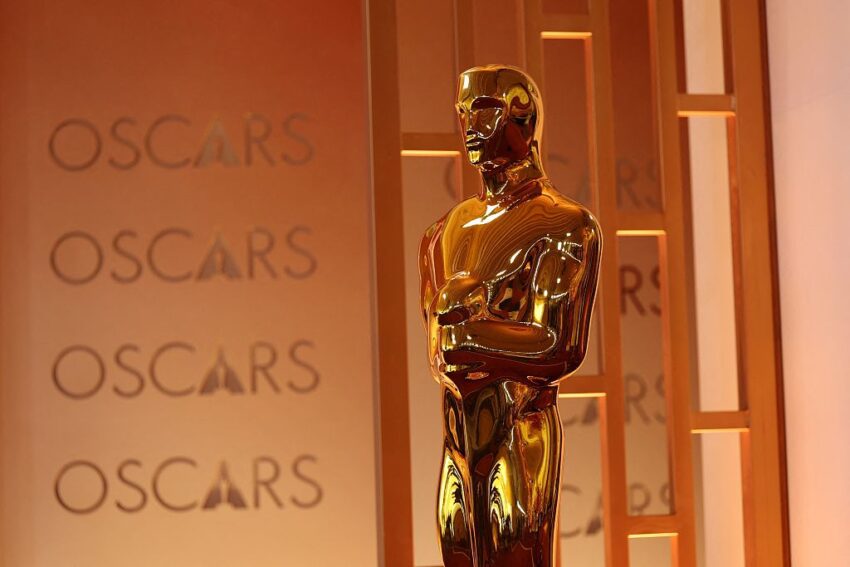
ai-generated actors and scripts are now ineligible In a significant move for the film industry, the Academy of Motion Picture Arts and Sciences has announced that AI-generated actors and scripts will no longer be eligible for Oscar nominations.
ai-generated actors and scripts are now ineligible
The Academy’s Decision
This decision marks a pivotal moment in the ongoing debate about the role of artificial intelligence in creative fields. The Academy, which oversees the prestigious Oscars, has established strict guidelines that explicitly exclude works created by AI from consideration for its awards. This ruling comes in response to growing concerns about the implications of AI in filmmaking, particularly regarding originality, creativity, and the potential displacement of human talent.
Background on AI in Film
Artificial intelligence has increasingly been integrated into various aspects of the film industry, from scriptwriting to visual effects. AI tools have been employed to analyze scripts, predict box office success, and even generate dialogue. Some filmmakers have experimented with AI-generated characters and narratives, leading to a surge in interest and investment in AI technologies within the entertainment sector.
However, the rise of AI in filmmaking has not been without controversy. Critics argue that relying on AI undermines the artistry of human creators and raises ethical questions about authorship and intellectual property. The Academy’s decision reflects these concerns and aims to preserve the integrity of the awards by ensuring that only human creativity is recognized.
Implications for the Industry
The ruling has far-reaching implications for filmmakers, studios, and the broader entertainment landscape. By excluding AI-generated content from Oscar eligibility, the Academy is sending a clear message about the value of human creativity in storytelling. This decision may influence how studios approach the development of projects that utilize AI technology.
Impact on Filmmakers
For filmmakers, the Academy’s ruling could reshape the landscape of storytelling. Many creators who have embraced AI as a tool for enhancing their work may now reconsider its role in their projects. While AI can assist in generating ideas or optimizing production processes, the exclusion from prestigious awards may deter some filmmakers from relying heavily on AI-generated content.
Moreover, this decision may lead to a renewed emphasis on original storytelling. Filmmakers might feel encouraged to explore more traditional methods of writing and character development, fostering a resurgence of human-driven narratives. This could ultimately benefit audiences, who often seek authentic and relatable stories that resonate on a personal level.
Reactions from Industry Stakeholders
The Academy’s announcement has elicited a range of reactions from industry stakeholders. Some filmmakers and actors have expressed support for the decision, emphasizing the importance of human creativity in the arts. Others, however, have raised concerns about stifling innovation and the potential for AI to enhance storytelling rather than replace it.
Notably, Tilly Norwood, a filmmaker known for her experimental use of AI in her projects, expressed disappointment over the ruling. “While I understand the concerns, I believe that AI can be a valuable collaborator in the creative process,” Norwood stated. “Excluding AI-generated work from awards consideration limits the potential for innovation in storytelling.”
The Future of AI in Filmmaking
As the film industry grapples with the implications of this ruling, the future of AI in filmmaking remains uncertain. While the Academy’s decision may discourage some filmmakers from utilizing AI, others may find ways to incorporate it responsibly within the bounds of the new guidelines. The challenge will be to strike a balance between leveraging AI’s capabilities and preserving the essence of human creativity.
Potential for Collaboration
Rather than viewing AI as a replacement for human talent, many industry experts advocate for a collaborative approach. This perspective suggests that AI can serve as a tool to enhance the creative process rather than supplant it. For instance, AI can assist in generating ideas, optimizing scripts, or even creating visual effects, allowing filmmakers to focus on the core elements of storytelling.
Some filmmakers have already begun to explore this collaborative model. By using AI to handle certain technical aspects of production, they can dedicate more time to character development, thematic exploration, and emotional resonance—elements that are often at the heart of compelling narratives. This approach could lead to a new era of filmmaking that embraces both human creativity and technological innovation.
Ethical Considerations
The ethical implications of AI in filmmaking are also a significant concern. Questions surrounding authorship, copyright, and the potential for bias in AI-generated content must be addressed as the technology continues to evolve. The Academy’s decision may prompt further discussions about the ethical use of AI in creative industries and the need for clear guidelines to navigate these complex issues.
As filmmakers experiment with AI, it is essential to establish frameworks that protect the rights of human creators while allowing for innovation. This balance will be crucial in ensuring that the film industry can adapt to technological advancements without compromising its artistic integrity.
Conclusion
The Academy of Motion Picture Arts and Sciences’ decision to exclude AI-generated actors and scripts from Oscar eligibility is a significant development in the ongoing conversation about the role of technology in the arts. While the ruling may limit certain creative possibilities, it also reaffirms the value of human creativity in storytelling. As the industry navigates this new landscape, filmmakers will need to find ways to integrate AI responsibly while preserving the essence of what makes cinema a powerful medium for human expression.
Source: Original report
Was this helpful?
Explore more: AI Automation Services More AI & Automation Tech News
Last Modified: May 3, 2026 at 3:36 pm
19 views