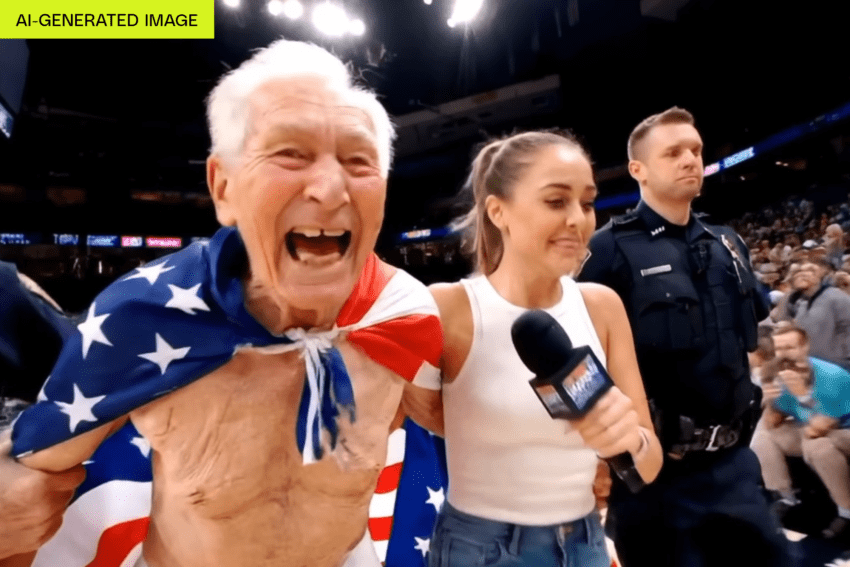
get ready for the ai ad-pocalypse As artificial intelligence continues to permeate various sectors, the advertising industry is witnessing a significant transformation, with AI-generated commercials becoming increasingly prevalent.
get ready for the ai ad-pocalypse
The Rise of AI in Advertising
In recent years, the advertising landscape has evolved dramatically, with technology playing a pivotal role in shaping how brands communicate with consumers. The emergence of artificial intelligence (AI) has introduced new tools and methodologies that streamline the ad creation process. For instance, a recent advertisement for Kalshi, a prediction market platform, was produced at a remarkably low cost of just $2,000, showcasing the potential for AI to reduce production expenses significantly.
AI-generated ads are not merely a trend; they represent a fundamental shift in how creative content is produced. By leveraging machine learning algorithms and data analytics, advertisers can create tailored messages that resonate with specific audiences. This capability allows brands to optimize their advertising strategies in real-time, leading to more efficient campaigns and potentially higher returns on investment.
The Creative Process: A Double-Edged Sword
While the efficiency of AI in generating ads is undeniable, it raises questions about the creative integrity of the advertising industry. Traditionally, crafting an advertisement involves a complex interplay of creativity, strategy, and emotional resonance. Advertisements are mini-movies, posters, illustrations, and photoshoots, all designed to convey a message and evoke a response from the audience. This creative process often requires substantial production budgets and a team of skilled professionals.
However, the introduction of AI into this space threatens to dilute the artistry that has long defined advertising. The creative process, which once relied heavily on human intuition and emotional insight, is increasingly being replaced by algorithms. As a result, the uniqueness and emotional depth of advertisements may suffer, leading to a homogenization of content that prioritizes efficiency over creativity.
The Emotional Disconnect
One of the most significant concerns regarding AI-generated ads is the potential emotional disconnect they may create. Advertisements often aim to forge a connection with their audience, tapping into shared experiences and emotions. This connection is built on a deep understanding of human behavior, cultural nuances, and societal trends—elements that AI may struggle to grasp fully.
For instance, consider the difference between a heartfelt advertisement that tells a story of resilience and one generated by AI that merely follows data-driven templates. While the latter may achieve higher engagement rates due to its targeted approach, it may lack the emotional depth that resonates with viewers on a personal level. This emotional disconnect could lead to a decline in brand loyalty and consumer trust, as audiences may feel less connected to brands that rely heavily on AI for their messaging.
The Cost of Creativity
As AI continues to gain traction in the advertising industry, the cost of creativity is becoming a pressing concern. The financial implications of using AI-generated ads are significant, particularly for smaller agencies and independent creators. While the initial investment in AI technology may be lower than traditional production methods, the long-term effects on the creative workforce could be detrimental.
Many advertising professionals fear that the rise of AI will lead to job losses and a devaluation of creative talent. As brands increasingly turn to AI for ad creation, the demand for human creatives may diminish, resulting in fewer opportunities for individuals in the industry. This shift could create a talent gap, where only a select few individuals possess the skills necessary to navigate the evolving landscape of advertising.
Stakeholder Reactions
The reactions from various stakeholders in the advertising industry to the rise of AI-generated ads have been mixed. Some industry leaders embrace the technology, viewing it as an opportunity to innovate and streamline their operations. They argue that AI can enhance creativity by providing insights and data that inform decision-making, ultimately leading to more effective campaigns.
Conversely, many creatives express concern about the implications of AI on their craft. They argue that while AI can assist in certain aspects of the advertising process, it cannot replicate the human touch that is essential for creating compelling narratives. This sentiment is echoed by industry organizations that advocate for the importance of preserving creativity in advertising.
The Future of Advertising: Balancing AI and Human Creativity
As we look to the future of advertising, it is crucial to strike a balance between leveraging AI technology and preserving the artistry that defines the industry. While AI can undoubtedly enhance efficiency and provide valuable insights, it should not replace the human element that is vital for creating emotionally resonant content.
One potential solution lies in the concept of collaboration between AI and human creatives. By harnessing the strengths of both, advertisers can create campaigns that are not only efficient but also rich in emotional depth. For instance, AI can analyze consumer data to identify trends and preferences, while human creatives can use this information to craft compelling narratives that resonate with audiences.
Case Studies and Success Stories
Several brands have already begun to explore the potential of AI-human collaboration in their advertising efforts. For example, some companies have utilized AI to generate initial concepts for advertisements, which are then refined and enhanced by human creatives. This approach allows brands to benefit from the efficiency of AI while still retaining the emotional resonance that comes from human creativity.
Additionally, some agencies are experimenting with AI-generated content as a starting point for brainstorming sessions. By using AI to generate a variety of ideas, creatives can focus on refining and developing the most promising concepts, ultimately leading to more innovative campaigns.
Conclusion: Navigating the AI Ad-Pocalypse
The rise of AI in advertising presents both challenges and opportunities for the industry. While AI-generated ads can streamline production and reduce costs, they also raise important questions about the future of creativity in advertising. As brands navigate this evolving landscape, it is essential to prioritize the emotional connection that defines successful advertising.
By embracing a collaborative approach that combines the strengths of AI and human creativity, advertisers can create campaigns that resonate with audiences on a deeper level. The future of advertising may be uncertain, but one thing is clear: the human touch remains irreplaceable in crafting compelling narratives that engage and inspire.
Source: Original report
Was this helpful?
Explore more: AI Automation Services More AI & Automation Tech News
Last Modified: January 24, 2026 at 8:38 pm
10 views