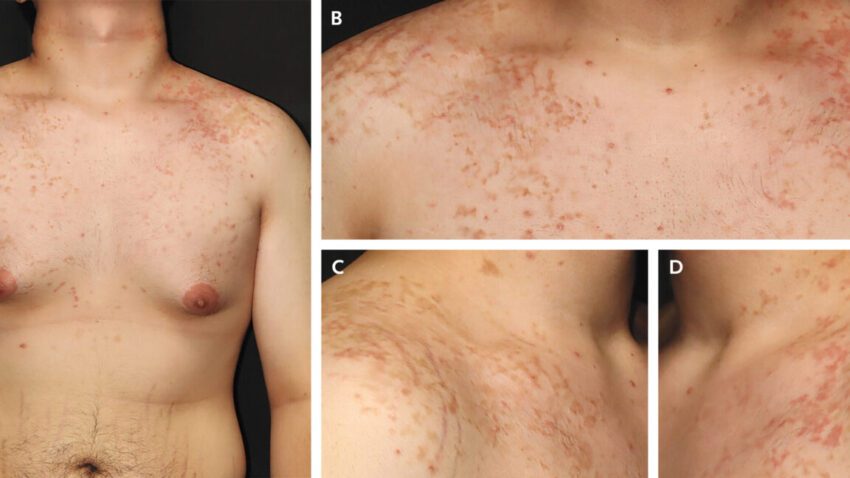
a weird itchy rash is linked to A recent case has linked a peculiar itchy rash to the ketogenic diet, raising questions about the diet’s effects on skin health.
a weird itchy rash is linked to
Case Overview
A 20-year-old man from Taiwan presented to a dermatology clinic with a perplexing rash that had developed across his shoulders and chest. This raised, red, and itchy condition had persisted for a month, causing significant discomfort. By the time he sought medical attention, he had also developed patches of pigmented skin interlaced with the red rash, complicating the clinical picture.
Initial Diagnosis
According to a case report published in the New England Journal of Medicine, the young man underwent a skin biopsy to determine the underlying cause of his symptoms. The biopsy revealed swelling between his skin cells and inflammation around blood vessels, but testing for other common skin conditions returned negative results. This left the medical team with limited leads and few definitive answers regarding the cause of his rash.
Dietary Connection
Interestingly, the breakthrough in diagnosis did not come from further skin analysis but rather from a conversation about the patient’s dietary habits. The man disclosed that he had adopted a ketogenic diet two months prior to his clinic visit, approximately one month before the onset of his rash. The ketogenic diet is characterized by high fat and very low carbohydrate intake, which forces the body to transition from using glucose as its primary energy source to utilizing fat.
The Ketogenic Diet Explained
The ketogenic diet has gained popularity for its potential benefits in weight loss and metabolic health. By significantly reducing carbohydrate intake, the body enters a state known as ketosis, where it burns fat for fuel instead of carbohydrates. This metabolic shift can lead to various physiological changes, including weight loss, improved blood sugar control, and enhanced mental clarity for some individuals.
However, the diet is not without its drawbacks. Some people experience side effects, commonly referred to as the “keto flu,” which can include fatigue, headaches, and gastrointestinal discomfort. These symptoms typically arise during the initial transition into ketosis and may resolve as the body adapts to the new metabolic state.
Potential Skin Reactions
The case of the young man in Taiwan introduces a new dimension to the discussion surrounding the ketogenic diet: its potential impact on skin health. While the exact mechanism behind the rash remains unclear, several theories have been proposed to explain the connection between the diet and skin reactions.
- Changes in Nutritional Intake: The ketogenic diet significantly alters the types of foods consumed, which may lead to deficiencies in essential nutrients that play a role in skin health. For example, a lack of vitamins A, C, and E, as well as omega-3 fatty acids, could contribute to skin issues.
- Increased Ketone Bodies: As the body enters ketosis, it produces ketone bodies, which may have various effects on the skin. Some researchers speculate that elevated levels of certain ketones could trigger inflammatory responses in susceptible individuals.
- Gut Microbiome Changes: Dietary changes can also impact the gut microbiome, which is increasingly recognized for its role in skin health. An imbalance in gut bacteria may lead to systemic inflammation, potentially manifesting as skin conditions.
Broader Implications
The case of the Taiwanese man is not an isolated incident. Reports of skin issues linked to the ketogenic diet have emerged in various forums and anecdotal accounts, suggesting that this may be a more widespread phenomenon. While rigorous scientific studies are needed to establish a definitive link, healthcare providers should be aware of the potential for skin reactions in patients adopting this diet.
Clinical Considerations
For healthcare professionals, this case underscores the importance of taking a comprehensive dietary history when evaluating patients with unexplained skin conditions. Understanding a patient’s eating habits can provide valuable insights that may lead to a more accurate diagnosis and effective treatment plan.
In the case of the young man, the identification of the ketogenic diet as a potential trigger allowed for targeted management of his symptoms. While the exact treatment approach was not detailed in the case report, it is likely that addressing the dietary factors could alleviate the rash and prevent future occurrences.
Patient Education
For individuals considering or currently following a ketogenic diet, awareness of potential side effects, including skin reactions, is crucial. Patients should be encouraged to monitor their skin health and report any unusual changes to their healthcare provider. Additionally, ensuring a balanced intake of essential nutrients while adhering to the diet can help mitigate some of the risks associated with restrictive eating patterns.
Stakeholder Reactions
The medical community has responded with a mix of intrigue and caution regarding the implications of this case. Dermatologists and nutritionists alike are calling for further research to explore the relationship between the ketogenic diet and skin health. While some practitioners advocate for the diet’s benefits, they also emphasize the need for a balanced approach that considers individual variability in response to dietary changes.
Patients and diet enthusiasts have also expressed concern over the potential for adverse effects. Online forums and social media platforms have seen discussions about skin issues linked to the ketogenic diet, prompting many to share personal experiences and seek advice from others who have faced similar challenges.
Conclusion
The case of the 20-year-old man in Taiwan serves as a reminder that dietary choices can have far-reaching effects on overall health, including skin health. While the ketogenic diet may offer benefits for some individuals, it is essential to remain vigilant about potential side effects, particularly in the realm of dermatological health. Further research is needed to elucidate the mechanisms behind these reactions and to establish guidelines for those considering or currently following a ketogenic lifestyle.
As the popularity of the ketogenic diet continues to rise, healthcare providers and patients alike must engage in open dialogues about the benefits and risks associated with this eating pattern. By fostering a collaborative approach to dietary health, individuals can make informed choices that prioritize both their nutritional needs and overall well-being.
Source: Original report
Was this helpful?
Explore more: More General Technology Tech News Blog
Last Modified: January 24, 2026 at 8:35 pm
10 views