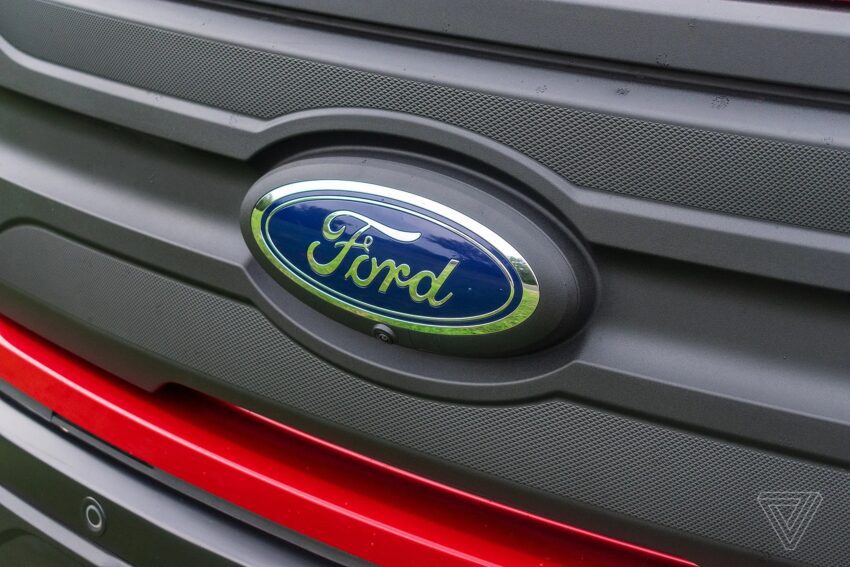
ford s big bet on evs didn Ford is making significant adjustments to its vehicle production strategy, shifting focus towards hybrid vehicles and energy storage solutions in response to declining electric vehicle (EV) sales.
ford s big bet on evs didn
Ford’s Strategic Shift
In a recent announcement, Ford Motor Company outlined a comprehensive plan to enhance its hybrid vehicle production while also introducing new products aimed at addressing the evolving automotive landscape. This pivot comes as the company grapples with a series of challenges in its electric vehicle segment, which has not met the ambitious expectations set by the automaker in recent years.
Increased Production of Hybrid Vehicles
Ford’s decision to ramp up hybrid vehicle production is a direct response to the slowing demand for fully electric vehicles. The company aims to leverage its existing hybrid technology to capture a larger share of the market. This strategic shift is particularly noteworthy given the automotive industry’s ongoing transition towards electrification.
Ford’s hybrid models have historically performed well, offering consumers a blend of traditional combustion engines and electric power. This combination allows for greater flexibility and range, appealing to a broader audience who may be hesitant to fully commit to electric vehicles due to concerns about charging infrastructure and battery range.
Extended-Range Electric Vehicle (EREV) F-Series Truck
Among the new products Ford plans to introduce is an extended-range electric version of its popular F-series truck. The F-series has long been a cornerstone of Ford’s lineup, and the introduction of an EREV variant represents a significant step in the company’s efforts to modernize its offerings while still catering to its traditional customer base.
The EREV F-series truck is designed to provide consumers with the benefits of electric driving without the limitations often associated with battery-only vehicles. By incorporating a range-extending generator, Ford aims to alleviate range anxiety, a common concern among potential EV buyers. This innovative approach could potentially attract both loyal Ford customers and new buyers looking for a versatile vehicle that meets their needs.
Challenges in the EV Market
Ford’s pivot towards hybrids and energy storage comes on the heels of several years of mounting losses in its electric vehicle division. The company had initially set ambitious goals to surpass Tesla in battery-electric vehicle sales, but a combination of rising material costs, supply chain disruptions, and fluctuating consumer demand has hindered these aspirations.
Material Costs and Supply Chain Issues
One of the primary challenges facing Ford and other automakers in the EV space is the rising cost of materials necessary for battery production. The prices of key components such as lithium, cobalt, and nickel have surged, impacting the overall cost of manufacturing electric vehicles. These increased costs have forced Ford to reassess its pricing strategies and production volumes.
Additionally, supply chain disruptions, exacerbated by the COVID-19 pandemic, have created further complications for Ford’s EV ambitions. The semiconductor shortage, in particular, has affected the production of both electric and traditional vehicles, leading to delays and decreased availability in the market.
Waning Demand for EVs
While the initial excitement surrounding electric vehicles has not entirely dissipated, there are signs that consumer interest may be waning. Factors such as high purchase prices, limited charging infrastructure, and concerns about battery longevity have contributed to a more cautious approach among potential buyers. As a result, Ford’s decision to pivot towards hybrid vehicles may be a strategic move to capture a segment of the market that remains hesitant to fully embrace electric driving.
Energy Storage Solutions
In addition to increasing hybrid production, Ford is also venturing into the energy storage market. The company plans to develop battery storage systems to meet the growing demand from sectors such as artificial intelligence (AI) data center construction. As businesses increasingly rely on AI technologies, the need for robust energy storage solutions has become paramount.
Ford’s entry into the energy storage market aligns with broader trends in the industry, where companies are seeking to optimize energy usage and reduce costs. By leveraging its expertise in battery technology, Ford aims to position itself as a key player in this emerging market, potentially creating new revenue streams and enhancing its overall business model.
Implications for Stakeholders
This strategic pivot has significant implications for various stakeholders, including investors, employees, and consumers. For investors, Ford’s shift towards hybrids and energy storage may signal a more pragmatic approach to navigating the complexities of the automotive market. By diversifying its product offerings, the company may reduce its reliance on a single segment and mitigate risks associated with fluctuating demand.
Employees within Ford may also experience changes as the company reallocates resources and focuses on hybrid and energy storage production. This shift could lead to new job opportunities in areas such as battery technology and hybrid vehicle assembly, while also potentially impacting roles related to traditional combustion engine production.
For consumers, Ford’s increased emphasis on hybrid vehicles may provide more options in the market. As the company seeks to cater to a broader audience, buyers may benefit from a wider range of vehicles that offer the advantages of both electric and traditional powertrains. This could ultimately lead to greater consumer satisfaction and increased adoption of hybrid technology.
Future Outlook
Looking ahead, Ford’s pivot towards hybrids and energy storage solutions may position the company for success in an evolving automotive landscape. As the industry continues to grapple with challenges related to electric vehicle production, Ford’s strategy could serve as a model for other automakers seeking to balance innovation with consumer demand.
While the road ahead may be fraught with challenges, Ford’s commitment to hybrid technology and energy storage reflects a willingness to adapt to changing market conditions. By focusing on these areas, the company may not only stabilize its business but also contribute to the broader transition towards sustainable transportation.
Conclusion
In summary, Ford’s recent announcement marks a significant shift in its approach to vehicle production. By increasing hybrid vehicle production and venturing into energy storage, the company aims to navigate the complexities of the automotive market while addressing consumer needs. As Ford continues to adapt to the evolving landscape, its focus on hybrids and energy storage could play a crucial role in shaping the future of the company and the industry as a whole.
Source: Original report
Was this helpful?
Explore more: More Business & Startups Tech News Blog
Last Modified: December 16, 2025 at 5:53 am
13 views