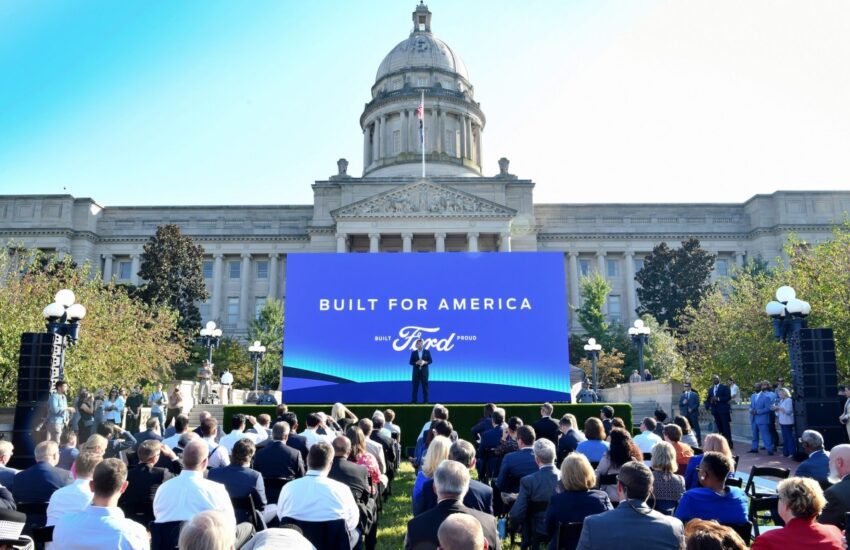
ford and sk on are ending their Ford Motor Company and South Korea’s SK On have announced the termination of their joint venture aimed at producing electric vehicle batteries in the United States, a decision that marks a significant shift in the landscape of EV battery manufacturing.
ford and sk on are ending their
Background of the Joint Venture
In 2021, Ford and SK On established a joint venture, known as BlueOval SK, to manufacture batteries for electric vehicles (EVs) in North America. This partnership was part of Ford’s broader strategy to electrify its vehicle lineup and reduce reliance on traditional internal combustion engines. The venture was expected to play a crucial role in meeting the growing demand for EVs, driven by both consumer preferences and regulatory pressures to reduce carbon emissions.
The joint venture aimed to build several battery plants across the U.S., with an initial focus on producing batteries for Ford’s upcoming electric models. The collaboration was seen as a way to leverage SK On’s expertise in battery technology and Ford’s extensive automotive manufacturing experience. Together, they planned to invest billions of dollars in the development and construction of battery facilities, which would create thousands of jobs and bolster the local economies where these plants would be located.
Reasons for Termination
The decision to end the joint venture comes amid a complex backdrop of challenges facing the EV industry. Several factors contributed to this outcome:
- Market Dynamics: The EV market has been evolving rapidly, with increasing competition from both established automakers and new entrants. This has led to a reassessment of strategies among companies involved in EV production.
- Supply Chain Issues: The global supply chain for critical materials used in battery production, such as lithium and cobalt, has faced significant disruptions. These challenges have made it difficult for manufacturers to secure the necessary resources to produce batteries at scale.
- Technological Advancements: The pace of technological change in battery technology has been swift. Companies are continually seeking to innovate and improve battery performance, which may have influenced the decision to reevaluate the joint venture.
- Financial Considerations: Both Ford and SK On may have reassessed the financial viability of the joint venture in light of rising costs and changing market conditions. The need for substantial investment in new technologies and facilities may have prompted a strategic pivot.
Implications for the EV Market
The termination of the joint venture has several implications for the electric vehicle market, particularly in the United States:
Impact on Ford’s Electrification Strategy
Ford’s decision to end its partnership with SK On raises questions about the future of its electrification strategy. The company has committed to investing over $50 billion in EV development through 2026, with plans to launch a range of electric models. However, the loss of the joint venture may necessitate a reevaluation of how Ford approaches battery production and sourcing.
Ford may need to explore alternative partnerships or invest in its own battery manufacturing capabilities to ensure a steady supply of batteries for its electric vehicles. This could involve collaborating with other battery manufacturers or investing in research and development to create proprietary battery technologies.
Effects on SK On
For SK On, the termination of the joint venture represents a setback in its efforts to expand its footprint in the U.S. battery market. The company has been actively seeking partnerships with automakers to establish battery production facilities in North America, and the end of the collaboration with Ford may hinder its ability to achieve these goals.
SK On will likely need to pivot its strategy to focus on other partnerships or explore opportunities in different markets. The company has been investing heavily in battery technology and may look to leverage its expertise to attract new clients in the automotive sector.
Broader Industry Implications
The dissolution of the Ford-SK On joint venture could signal a broader trend in the EV industry, where partnerships and collaborations are being scrutinized in light of changing market dynamics. As companies navigate the complexities of battery production and supply chain challenges, there may be a shift toward more flexible and adaptive business models.
Additionally, the termination may prompt other automakers to reevaluate their own partnerships and joint ventures in the battery space. Companies may seek to establish more diversified supply chains or invest in vertical integration to gain greater control over battery production.
Stakeholder Reactions
The announcement has elicited a range of reactions from stakeholders across the automotive and technology sectors:
Automotive Analysts
Industry analysts have expressed mixed opinions regarding the termination of the joint venture. Some view it as a necessary step for both Ford and SK On to reassess their strategies in a rapidly evolving market. Others caution that the decision could hinder Ford’s ability to compete effectively in the growing EV segment.
Environmental Advocates
Environmental advocates have voiced concerns about the implications of the joint venture’s dissolution for the broader goal of reducing carbon emissions. The transition to electric vehicles is seen as a critical component of combating climate change, and any disruptions in battery production could slow progress in this area.
Investors
Investors in both Ford and SK On are likely to be closely monitoring the situation. The termination of the joint venture may raise concerns about the companies’ future growth prospects and their ability to execute on their electrification strategies. Share prices may be influenced by market perceptions of the decision and its potential impact on profitability.
Future Outlook
Looking ahead, the future of battery production in the U.S. remains uncertain. The termination of the Ford-SK On joint venture highlights the challenges and complexities of the EV market, particularly in the context of battery supply and production. As automakers continue to invest in electrification, they will need to navigate a landscape characterized by rapid technological change and evolving consumer preferences.
Ford’s next steps will be crucial in determining how it adapts to the changing market conditions. The company has a strong legacy in the automotive industry, and its ability to pivot effectively in response to challenges will be closely watched by industry observers.
For SK On, the focus will likely shift to identifying new partnerships and opportunities that align with its strategic goals. The company has a wealth of experience in battery technology, and its ability to leverage this expertise will be key to its future success in the U.S. market.
Conclusion
The end of the Ford and SK On joint venture marks a pivotal moment in the electric vehicle landscape. As both companies reassess their strategies in light of the evolving market, the implications for battery production and the broader EV ecosystem will be significant. Stakeholders across the industry will be watching closely to see how these developments unfold and what they mean for the future of electric mobility.
Source: Original report
Was this helpful?
Explore more: More Business & Startups Tech News Blog
Last Modified: December 11, 2025 at 9:44 pm
18 views