doctors suspected man had brain cancer he A 60-year-old man in Spain presented with symptoms that initially led doctors to suspect he had brain cancer, but further investigation revealed a surprising diagnosis involving parasitic worms.
doctors suspected man had brain cancer he
Initial Symptoms and Presentation
The patient sought medical attention after experiencing a persistent headache that had begun two weeks prior to his visit. This headache was not only unyielding but was also accompanied by subtle changes in his behavior, which raised concerns among the medical professionals. Such symptoms can often be indicative of serious underlying conditions, prompting a thorough neurological examination.
Neurological Examination Findings
During the neurological exam, doctors observed a mild delay in the man’s movements. However, aside from this, there were no other significant deficits noted at that time. This finding was crucial, as it suggested that while there was some neurological involvement, the extent of impairment was limited. The medical team proceeded with blood work to gather more information about the patient’s overall health.
Blood Work Results
The results of the blood tests were largely normal, which is often a reassuring sign. However, one notable exception was the elevated levels of Immunoglobulin E (IgE). Elevated IgE levels can indicate various conditions, including allergies, autoimmune diseases, and parasitic infections. This anomaly in the blood work raised a flag for the doctors, prompting them to consider a broader range of potential diagnoses beyond the initial suspicion of cancer.
Imaging Studies: A Deeper Look
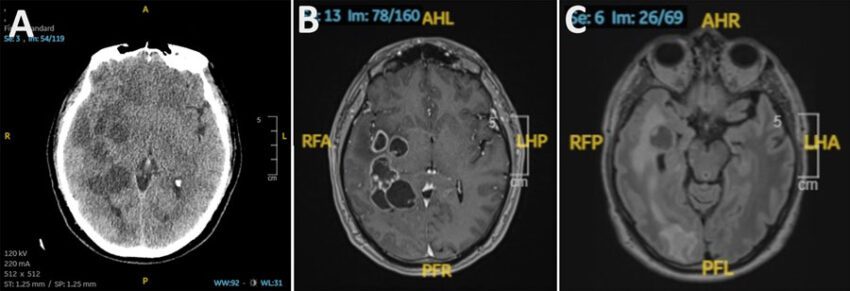
To further investigate the patient’s condition, the medical team ordered a computed tomography (CT) scan of the head. The results of this imaging study provided a more alarming picture. The scan revealed multiple lesions distributed throughout the man’s brain, accompanied by significant swelling. These findings were alarming and suggested a serious pathological process at work.
Considering the Differential Diagnosis
In a case report published in the journal Emerging Infectious Diseases, the medical team detailed their thought process as they worked through the possible conditions that could explain the patient’s symptoms and imaging findings. Given the presence of multiple brain lesions and swelling, the doctors initially focused on the possibility of metastatic cancer. This is a common consideration in cases involving brain lesions, especially in older patients.
Ruling Out Other Conditions
However, the medical team noted several factors that complicated the diagnosis. The patient was not immunocompromised, which typically reduces the likelihood of opportunistic infections, including those caused by parasites. Additionally, he had never traveled internationally, which further limited the potential exposure to certain infectious agents that could cause similar symptoms. These considerations prompted the doctors to broaden their differential diagnosis.
The Unexpected Diagnosis
As the investigation continued, the medical team began to consider the possibility of a parasitic infection, specifically one caused by worms. This was a significant pivot from their initial suspicion of cancer, but the elevated IgE levels and the imaging findings made this a plausible alternative. The doctors conducted further tests to confirm their suspicions.
Confirmatory Tests and Findings
Ultimately, the confirmatory tests revealed the presence of parasitic worms in the patient’s brain. This diagnosis, while unexpected, is not entirely unheard of. Certain types of parasitic infections can lead to the formation of lesions in the brain, mimicking the appearance of tumors on imaging studies. The specific type of worms involved in this case was not detailed in the initial report, but conditions such as neurocysticercosis, caused by the pork tapeworm, are known to cause similar symptoms and imaging findings.
Implications of the Diagnosis
The revelation that the patient’s symptoms were due to a parasitic infection rather than cancer has significant implications for treatment and prognosis. Parasitic infections can often be treated effectively with antiparasitic medications, whereas cancer treatment typically involves more aggressive interventions such as chemotherapy, radiation, or surgery. The distinction between these two diagnoses can therefore dramatically alter the patient’s treatment plan and overall outlook.
Potential Treatment Options
Once the diagnosis of a parasitic infection was confirmed, the medical team could initiate appropriate treatment. Antiparasitic medications are often effective in treating infections caused by worms, and the patient’s prognosis would likely improve significantly with timely intervention. The specific treatment regimen would depend on the type of worms identified and the extent of the infection.
Broader Context: The Importance of Differential Diagnosis
This case underscores the critical importance of differential diagnosis in medicine. While initial symptoms may suggest one condition, thorough examination and testing can reveal a different underlying issue. In this instance, the initial suspicion of brain cancer could have led to a very different treatment approach, potentially resulting in unnecessary stress and interventions for the patient.
Lessons for Healthcare Providers
Healthcare providers are reminded of the need to remain vigilant and open-minded when evaluating patients. The case illustrates how a combination of clinical findings, laboratory results, and imaging studies can guide the diagnostic process. It also highlights the necessity for healthcare professionals to consider a wide range of possibilities, especially when faced with atypical presentations.
Patient Impact and Future Considerations
For the patient, the diagnosis of a parasitic infection rather than cancer is a significant relief. It not only changes the course of treatment but also alleviates the psychological burden that often accompanies a cancer diagnosis. Understanding the nature of his condition allows for a more targeted approach to recovery.
Public Health Implications
This case also raises awareness about the potential for parasitic infections in populations that may not be typically associated with such conditions. While the patient had not traveled internationally, it is essential for healthcare providers to consider local epidemiology and the possibility of zoonotic infections. Public health education regarding the risks of parasitic infections, even in non-endemic areas, can help in early detection and treatment.
Conclusion
The case of the 60-year-old man in Spain serves as a compelling reminder of the complexities involved in medical diagnosis. What began as a straightforward presentation of headaches and behavioral changes evolved into a multifaceted investigation that ultimately revealed a surprising diagnosis of parasitic worms in the brain. This case not only highlights the importance of thorough examination and differential diagnosis but also emphasizes the need for healthcare providers to remain open to a wide range of possibilities when evaluating patients.
Source: Original report
Was this helpful?
Explore more: More General Technology Tech News Blog
Last Modified: June 27, 2026 at 12:36 pm
10 views