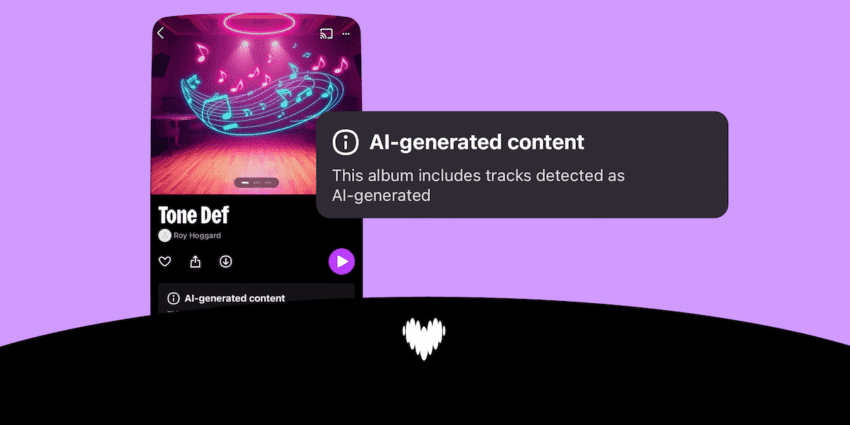
deezer makes it easier for rival platforms Deezer has taken a significant step in the ongoing debate surrounding AI-generated music by making its AI detection tool available to other streaming platforms.
deezer makes it easier for rival platforms
Background on AI in Music
The rise of artificial intelligence in the music industry has sparked intense discussions about authenticity, creativity, and the implications for artists and listeners alike. AI-generated music, which utilizes algorithms to create compositions, has gained traction over the past few years. While some view it as a revolutionary tool that can enhance creativity, others express concerns about its impact on human musicians and the integrity of the music industry.
As AI technology continues to evolve, the potential for misuse, including the creation of fraudulent streams and the manipulation of music charts, has become a pressing issue. This has prompted various stakeholders in the music industry to seek solutions that can help differentiate between human-created and AI-generated content.
Deezer’s AI Detection Tool
In response to these challenges, Deezer introduced its AI detection tool last year. This innovative feature automatically identifies and tags music that is entirely generated by AI. Once identified, this music is removed from both algorithmic and editorial recommendations, ensuring that listeners are not inadvertently exposed to content that lacks human creativity.
The introduction of this tool marked a significant move for Deezer, positioning the platform as a leader in addressing the complexities associated with AI in music. By actively filtering out AI-generated tracks, Deezer aims to maintain the authenticity of its music library and uphold the value of human artistry.
Functionality of the Tool
The AI detection tool operates through sophisticated algorithms that analyze the characteristics of music tracks. By examining various elements such as melody, rhythm, and production techniques, the tool can determine whether a piece of music is entirely AI-generated. This functionality not only enhances the listening experience for users but also serves as a protective measure for artists whose work may be overshadowed by AI-generated content.
Making the Tool Available to Rivals
On January 29, 2026, Deezer announced that it would extend the availability of its AI detection tool to other streaming platforms. This decision is part of a broader initiative to combat the rise of AI-generated music and fraudulent streams across the industry. By sharing this technology, Deezer aims to foster a collaborative approach among streaming services in addressing the challenges posed by AI.
Deezer’s move is particularly significant given the competitive landscape of music streaming services. With platforms like Spotify, Apple Music, and Amazon Music vying for market share, the introduction of such a tool could influence how these companies approach AI-generated content. By adopting Deezer’s technology, rival platforms can take a definitive stance against AI-generated music, thereby reinforcing their commitment to supporting human artists.
Industry Reactions
The response from the music industry has been largely positive. Many artists and industry professionals have expressed appreciation for Deezer’s initiative, viewing it as a necessary step in preserving the integrity of music. Artists who rely on streaming platforms for exposure and revenue have voiced concerns over the potential dilution of their work by AI-generated content. By implementing measures to filter out such music, Deezer is seen as taking a proactive stance in protecting artists’ interests.
However, some industry experts caution against a blanket rejection of AI-generated music. They argue that while it is essential to maintain a distinction between human-created and AI-generated content, there is also potential for collaboration between the two. AI can serve as a tool for artists, enhancing their creative processes rather than replacing them. As such, a nuanced approach that recognizes the value of both human and AI-generated music may be more beneficial in the long run.
Implications for the Music Industry
Deezer’s decision to share its AI detection tool has far-reaching implications for the music industry. By encouraging rival platforms to adopt similar measures, Deezer is setting a precedent for accountability and transparency in music streaming. This could lead to a more standardized approach to AI-generated content across the industry, ultimately benefiting both artists and listeners.
Furthermore, the move may prompt other streaming platforms to invest in their own technologies to detect and manage AI-generated music. As competition intensifies, platforms that fail to address these issues may risk alienating their user base and losing credibility among artists.
Potential Challenges
While the introduction of the AI detection tool is a positive development, it is not without its challenges. One significant concern is the potential for false positives, where human-created music may be incorrectly tagged as AI-generated. This could lead to unintended consequences for artists, including loss of exposure and revenue. Ensuring the accuracy of the detection tool will be crucial in maintaining trust among users and artists alike.
Moreover, the rapid evolution of AI technology poses an ongoing challenge. As AI-generated music becomes increasingly sophisticated, the algorithms used to detect such content will need to be continually updated and refined. This requires ongoing investment in research and development, which may be a barrier for some smaller streaming platforms.
The Future of AI in Music
The future of AI in the music industry remains uncertain. As technology continues to advance, the lines between human and AI-generated music may blur further. This raises important questions about the nature of creativity and the role of technology in artistic expression.
Deezer’s initiative to combat AI-generated music is a step towards addressing these concerns, but it also highlights the need for ongoing dialogue among stakeholders in the industry. As artists, streaming platforms, and technology developers navigate this evolving landscape, collaboration and innovation will be key to finding a balance that respects both human creativity and the potential benefits of AI.
Conclusion
Deezer’s decision to make its AI detection tool available to rival streaming platforms marks a significant development in the ongoing conversation about AI in music. By taking a proactive stance against AI-generated content, Deezer is not only protecting artists but also setting a standard for accountability within the industry. As the landscape of music continues to evolve, the collaboration between streaming platforms will be essential in addressing the challenges posed by AI technology. The implications of this initiative extend beyond Deezer, potentially reshaping the future of music streaming and the relationship between artists and technology.
Source: Original report
Was this helpful?
Explore more: AI Automation Services More AI & Automation Tech News
Last Modified: January 29, 2026 at 4:45 pm
9 views