tesla discontinuing model s and model x Tesla has announced that it will discontinue the Model S and Model X in the second quarter of 2026, a decision revealed by CEO Elon Musk during an earnings call with investors.
tesla discontinuing model s and model x
Overview of the Announcement
The news of the discontinuation came as a surprise to many, as no prior indications were given about the cancellation of these two flagship electric vehicles (EVs). The Model S and Model X have been central to Tesla’s identity since the company’s early days, representing both innovation in electric mobility and the brand’s commitment to high-performance vehicles. Musk’s announcement marks a significant shift in Tesla’s strategic direction, emphasizing the company’s focus on robotics and artificial intelligence.
Reasons for Discontinuation
During the earnings call, Musk elaborated on the rationale behind this decision, stating that the primary reason for discontinuing the Model S and Model X is to free up space at Tesla’s Fremont factory. This space will be repurposed for the production of the Optimus humanoid robot, a project that Musk has been vocal about in recent years. The move underscores Musk’s ambition to transition Tesla from being solely an automobile manufacturer to a leader in AI and robotics.
Transitioning from Automaker to Robotics Leader
Musk’s vision for Tesla extends beyond electric vehicles. He has repeatedly emphasized the potential of AI and robotics to revolutionize various industries. By reallocating resources from traditional vehicle production to robotics, Tesla aims to position itself at the forefront of technological innovation. The Optimus robot is intended to perform a variety of tasks, potentially transforming labor markets and enhancing productivity across sectors.
Impact on Tesla’s Product Lineup
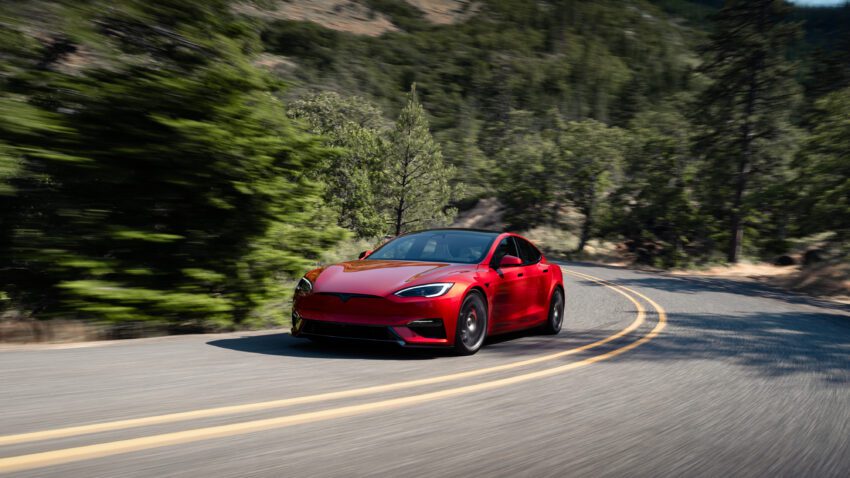
The discontinuation of the Model S and Model X will significantly alter Tesla’s product lineup. The Model S, launched in 2012, was Tesla’s first mass-produced luxury sedan, while the Model X, introduced in 2015, was notable for its distinctive falcon-wing doors and spacious interior. Both vehicles have received numerous accolades for their performance, safety, and technological advancements.
As Tesla phases out these models, the company will likely focus on its more affordable offerings, such as the Model 3 and Model Y, which have gained popularity due to their price points and practicality. The decision to discontinue the Model S and Model X raises questions about Tesla’s commitment to the luxury EV market and how it plans to attract high-end consumers moving forward.
Market Reactions
The announcement has elicited mixed reactions from investors and industry analysts. Some see it as a bold move that could pave the way for Tesla’s future growth in AI and robotics, while others express concern about the implications for Tesla’s brand identity and market position.
Investor Sentiment
Following the earnings call, Tesla’s stock experienced fluctuations, reflecting investor uncertainty about the company’s strategic pivot. While some investors are optimistic about the potential for robotics to drive future revenue, others worry that discontinuing the Model S and Model X could alienate loyal customers who have supported Tesla’s luxury offerings.
Industry Perspectives
Industry analysts have also weighed in on the decision. Some believe that the shift towards robotics is a necessary evolution for Tesla, given the increasing competition in the EV market. As more automakers enter the electric vehicle space, differentiating through advanced technologies like AI and robotics may become crucial for maintaining a competitive edge.
Conversely, others caution that abandoning the luxury segment could weaken Tesla’s brand equity. The Model S and Model X have long been symbols of Tesla’s innovation and engineering prowess. Their discontinuation could lead to a perception that Tesla is retreating from the luxury market, potentially opening the door for competitors to capture that segment.
Broader Implications for the Automotive Industry
Tesla’s decision to discontinue the Model S and Model X may have broader implications for the automotive industry as a whole. As automakers increasingly explore AI and robotics, the landscape of vehicle production and consumer expectations is likely to change dramatically.
Shifts in Consumer Preferences
With the rise of AI-driven technologies, consumer preferences may shift towards vehicles that offer enhanced automation and smart features. Tesla’s focus on robotics could set a precedent for other manufacturers to follow suit, leading to a more technology-centric approach in vehicle design and functionality.
Competition and Innovation
The discontinuation of the Model S and Model X could also intensify competition among luxury EV manufacturers. Brands like Lucid Motors and Rivian are already vying for market share in the luxury segment, and Tesla’s exit from this space may create opportunities for these companies to capture the attention of high-end consumers.
Moreover, as Tesla reallocates resources towards robotics, it may spur innovation within the industry. Other automakers may feel compelled to invest in AI and robotics to keep pace with Tesla’s advancements, potentially leading to breakthroughs that benefit consumers and the industry at large.
Future of Tesla’s Robotics Initiative
The Optimus humanoid robot represents a significant investment in Tesla’s future. Musk has indicated that the robot could be utilized in various applications, from manufacturing to household tasks. This ambitious project aligns with Musk’s broader vision of creating a future where AI enhances human capabilities rather than replaces them.
Challenges Ahead
Despite the potential benefits, Tesla’s robotics initiative is not without challenges. Developing a humanoid robot capable of performing complex tasks requires significant technological advancements and resources. Additionally, the market acceptance of such robots remains uncertain, as societal attitudes towards AI and automation vary widely.
Long-Term Vision
Ultimately, Musk’s decision to discontinue the Model S and Model X reflects a long-term vision for Tesla that prioritizes innovation and technological leadership. While this shift may create short-term challenges, it also positions Tesla to capitalize on emerging trends in AI and robotics, potentially redefining the company’s role in the automotive and technology sectors.
Conclusion
The discontinuation of the Model S and Model X marks a pivotal moment in Tesla’s evolution. As the company shifts its focus towards robotics and AI, it faces both opportunities and challenges that will shape its future. The automotive industry is on the brink of transformation, and Tesla’s bold move may serve as a catalyst for change, influencing how vehicles are designed, produced, and integrated into society.
Source: Original report
Was this helpful?
Explore more: AI Automation Services More AI & Automation Tech News
Last Modified: January 29, 2026 at 4:37 pm
18 views