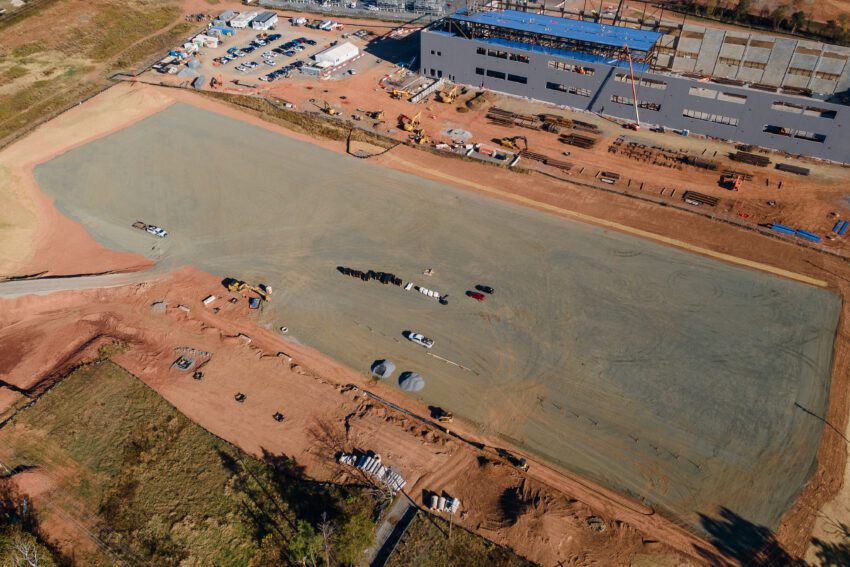
data center construction moratorium is gaining steam Over 230 organizations are advocating for a moratorium on new data center constructions across the United States, citing concerns over environmental and economic impacts.
data center construction moratorium is gaining steam
Background on Data Centers
Data centers are facilities used to house computer systems and associated components, such as telecommunications and storage systems. They are critical for the functioning of the internet, cloud computing, and various digital services. As the demand for data processing and storage has surged, particularly with the rise of artificial intelligence (AI) and cryptocurrency mining, the construction of data centers has accelerated significantly.
In recent years, the rapid expansion of these facilities has raised alarms among environmentalists, community advocates, and regulatory bodies. The primary concerns revolve around the substantial electricity consumption, water usage, and potential pollution associated with these centers. As the digital economy continues to grow, the implications of unregulated data center expansion are becoming increasingly apparent.
Concerns Raised by Advocacy Groups
The coalition of over 230 groups, which includes prominent organizations such as Food & Water Watch, Physicians for Social Responsibility, and Greenpeace, has voiced strong opposition to the unchecked growth of data centers. In a letter addressed to Congress, they outlined several critical issues stemming from the rapid development of these facilities:
- Electricity Rates: The demand for energy to power data centers is skyrocketing, leading to increased electricity rates for consumers. As these facilities consume vast amounts of energy, the strain on local power grids can result in higher costs for residents.
- Water Usage: Data centers require significant amounts of water for cooling systems. In regions already facing water scarcity, this can exacerbate existing challenges and threaten local water supplies.
- Pollution: The construction and operation of data centers can contribute to air and water pollution, impacting local ecosystems and public health.
The letter emphasizes that the “rapid, largely unregulated rise of data centers to fuel the AI and crypto frenzy is disrupting communities across the country and threatening Americans’ economic, environmental, climate, and water security.” This statement encapsulates the growing concerns that many communities are facing as they grapple with the consequences of data center proliferation.
Community Responses and Local Actions
In response to these concerns, various communities across the United States have begun to take action against data center construction. Local governments and advocacy groups are increasingly successful in blocking or delaying new projects, reflecting a growing awareness of the potential negative impacts associated with these facilities.
Case Studies of Local Moratoriums
Several municipalities have implemented moratoriums or stricter regulations on data center construction. For instance, in Virginia, where a significant number of data centers are being built, local officials have expressed concerns about the environmental impact and have called for a reevaluation of zoning laws related to data centers. This has led to a temporary halt on new projects while the community assesses the implications of further development.
Similarly, in areas like the Pacific Northwest, where water resources are already strained, local governments are scrutinizing proposed data center projects more closely. Activists argue that these facilities should not be prioritized over the needs of local residents and ecosystems, especially in regions where water scarcity is a pressing issue.
Legislative Efforts
In addition to local actions, there are also legislative efforts underway at the state and federal levels to address the concerns surrounding data centers. Some lawmakers are advocating for stricter regulations on energy consumption and water usage for new data center projects. These proposed regulations aim to ensure that data centers operate sustainably and do not place an undue burden on local resources.
However, the path to implementing such regulations is fraught with challenges. The tech industry, which includes major players like Microsoft, Amazon, and Google, has significant lobbying power and often argues that data centers are essential for economic growth and technological advancement. This has led to a complex debate about balancing economic development with environmental stewardship.
Implications for the Tech Industry
The push for a moratorium on data center construction has significant implications for the tech industry. As companies invest heavily in infrastructure to support AI and cloud computing, they may face increased scrutiny and regulatory hurdles. This could lead to higher operational costs and delays in project timelines, ultimately affecting their bottom lines.
Moreover, the growing public awareness and activism surrounding data centers may prompt tech companies to adopt more sustainable practices. As consumers become more environmentally conscious, businesses may find that their reputations are at stake if they do not prioritize sustainability in their operations.
Stakeholder Reactions
The response from various stakeholders has been mixed. Environmental groups and community advocates largely support the moratorium, arguing that it is necessary to protect local resources and ensure sustainable development. They believe that without such measures, the unchecked growth of data centers could lead to irreversible damage to communities and ecosystems.
On the other hand, representatives from the tech industry have expressed concerns about the potential economic repercussions of a moratorium. They argue that data centers are vital for supporting the digital economy and providing jobs. Industry leaders contend that rather than imposing a moratorium, the focus should be on developing innovative solutions to mitigate the environmental impact of data centers.
Potential Solutions
As the debate continues, various solutions have been proposed to address the environmental concerns associated with data centers. These include:
- Renewable Energy: Encouraging data centers to utilize renewable energy sources, such as solar or wind power, can significantly reduce their carbon footprint.
- Water Recycling: Implementing water recycling systems can help data centers minimize their water usage and lessen their impact on local water supplies.
- Energy Efficiency Standards: Establishing stricter energy efficiency standards for data centers can help reduce their overall energy consumption.
By adopting these measures, data centers can operate more sustainably while still meeting the growing demand for digital services. However, the implementation of such solutions will require collaboration between tech companies, local governments, and advocacy groups.
Conclusion
The call for a moratorium on new data center construction reflects a growing recognition of the need for sustainable practices in the tech industry. As communities grapple with the implications of data center proliferation, it is clear that a balanced approach is necessary to protect local resources while supporting economic growth. The ongoing dialogue among stakeholders will be crucial in shaping the future of data centers in the United States.
Source: Original report
Was this helpful?
Explore more: DevOps Services More Cloud & DevOps Tech News
Last Modified: December 9, 2025 at 11:43 pm
27 views