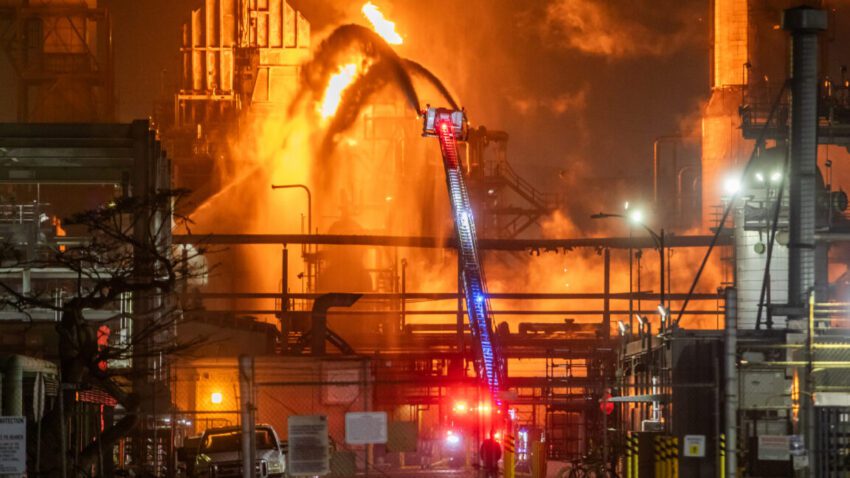
chemical accidents rise as trump administration proposes Recent trends indicate a troubling rise in chemical accidents, coinciding with proposals from the Trump administration to weaken safety regulations designed to protect workers and communities.
chemical accidents rise as trump administration proposes
Background on Hydrofluoric Acid
Hydrofluoric acid (HF), also known as hydrogen fluoride, is a highly corrosive chemical that poses significant risks to human health and the environment. It is widely used in various industrial applications, including the production of refrigerants, gasoline, fluorine-based pesticides, and fluoropolymers such as Teflon. Despite its usefulness in manufacturing, HF is notorious for its hazardous properties, which can lead to severe injuries or even fatalities upon exposure.
Physicist Ronald Koopman, who has conducted extensive research on the dangers associated with HF, presented his findings at a Southern California Air District meeting in 2018. His work from the 1980s highlighted the potential for catastrophic accidents in facilities that handle this dangerous chemical. Koopman’s experiments focused on the dispersion of hydrofluoric acid and the effectiveness of water mitigation strategies, underscoring the importance of stringent safety measures in industrial settings.
Rising Rates of Chemical Accidents
Recent analyses have revealed a concerning increase in chemical accidents across the United States. According to reports, incidents involving hazardous materials have surged, raising alarms among safety advocates and environmentalists. The increase in accidents can be attributed to several factors, including aging infrastructure, inadequate safety protocols, and a lack of regulatory oversight.
As the Trump administration moves to roll back safety regulations, the implications of these rising accident rates become even more pronounced. Critics argue that weakening safety rules could exacerbate the risks associated with chemical handling and storage, potentially leading to more frequent and severe incidents.
Historical Context of Chemical Safety Regulations
The regulatory landscape for chemical safety has evolved significantly over the past few decades. In the wake of several high-profile industrial disasters, such as the Bhopal gas tragedy in 1984 and the Deepwater Horizon oil spill in 2010, lawmakers recognized the need for robust safety measures to protect workers and communities. The Chemical Facility Anti-Terrorism Standards (CFATS) and the Risk Management Plan (RMP) rule were established to mitigate risks associated with hazardous chemicals.
These regulations aimed to ensure that facilities handling dangerous substances implemented comprehensive safety protocols, conducted regular risk assessments, and maintained emergency response plans. However, the Trump administration’s proposed rollbacks threaten to undermine these hard-won protections.
Implications of Weakened Safety Rules
The potential weakening of safety regulations raises significant concerns for public health and environmental safety. Experts warn that reduced oversight could lead to increased exposure to hazardous chemicals, putting workers and nearby communities at risk. The consequences of chemical accidents can be devastating, resulting in injuries, fatalities, and long-lasting environmental damage.
Moreover, the financial implications of chemical accidents can be substantial. Companies may face costly lawsuits, regulatory fines, and damage to their reputations following an incident. The economic burden of cleaning up contaminated sites and providing medical care for affected individuals can also strain local and state resources.
Stakeholder Reactions
The proposed rollbacks have elicited strong reactions from various stakeholders, including environmental groups, labor unions, and public health advocates. Many organizations have voiced their opposition to the changes, arguing that they prioritize corporate interests over public safety.
Environmental advocates emphasize the need for stringent safety regulations to prevent chemical accidents and protect vulnerable communities. They argue that marginalized populations, often located near industrial facilities, bear the brunt of the risks associated with hazardous materials. Labor unions, representing workers in the chemical industry, have also expressed concerns about the potential dangers posed by weakened safety standards, emphasizing the need for comprehensive training and protective measures.
Case Studies of Chemical Accidents
To illustrate the potential consequences of chemical accidents, it is essential to examine notable case studies that highlight the risks associated with hazardous materials. One such incident occurred in 2013 at a fertilizer plant in West, Texas, where an explosion killed 15 people and injured more than 160 others. The explosion was attributed to the improper storage of ammonium nitrate, a highly explosive chemical. This tragedy underscored the importance of strict safety regulations and the need for facilities to adhere to best practices in chemical handling.
Another significant incident took place in 2015 at a chemical plant in La Porte, Texas, where a leak of methyl mercaptan resulted in the deaths of four workers. Investigations revealed that the facility had failed to implement adequate safety measures, highlighting the dangers of lax regulatory oversight. These incidents serve as stark reminders of the potential consequences of chemical accidents and the critical need for robust safety regulations.
Future Considerations
As the Trump administration continues to propose changes to safety regulations, it is crucial for policymakers to consider the long-term implications of these decisions. The potential for increased chemical accidents poses a significant threat to public health and safety, and it is imperative to prioritize the well-being of workers and communities over corporate interests.
Investing in safety training, infrastructure improvements, and regulatory compliance can help mitigate the risks associated with hazardous materials. Additionally, fostering collaboration between industry stakeholders, government agencies, and community organizations can lead to more effective safety practices and emergency response plans.
Conclusion
The rise in chemical accidents, coupled with the Trump administration’s proposals to weaken safety regulations, presents a critical challenge for public health and environmental safety. As experts like Ronald Koopman continue to advocate for stringent safety measures, it is essential for stakeholders to remain vigilant in their efforts to protect workers and communities from the dangers posed by hazardous chemicals. The lessons learned from past incidents must inform future policies to ensure that safety remains a top priority in the handling of dangerous materials.
Source: Original report
Was this helpful?
Explore more: More General Technology Tech News Blog
Last Modified: July 5, 2026 at 10:36 pm
13 views