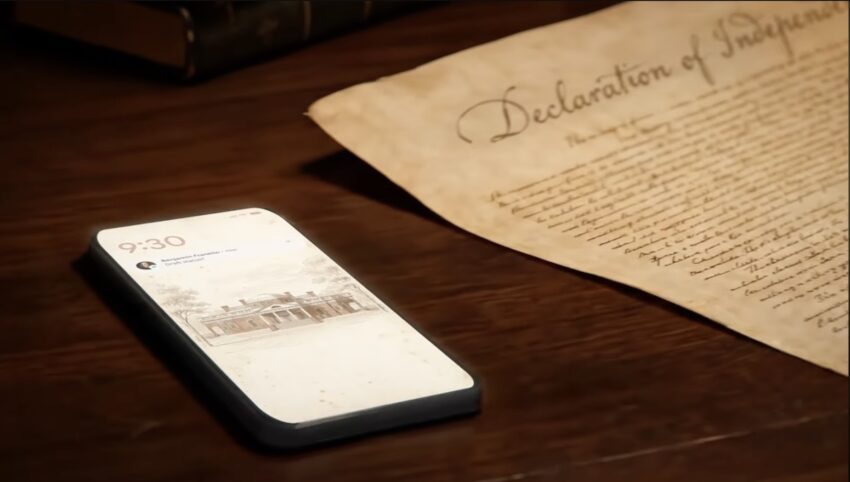
new google commercial imagines a declaration of A new Google commercial creatively explores the hypothetical scenario of the Founding Fathers utilizing modern technology, specifically Google Workspace, to draft the Declaration of Independence.
new google commercial imagines a declaration of
Concept Overview
In a thought-provoking advertisement released to commemorate the 250th anniversary of the signing of the Declaration of Independence, Google presents a unique narrative that imagines how the Founding Fathers might have approached their monumental task with the assistance of contemporary digital tools. The commercial poses a compelling question: What if Thomas Jefferson, Benjamin Franklin, and their contemporaries had access to Google Workspace during the drafting of this pivotal document?
Historical Context
The Declaration of Independence, adopted on July 4, 1776, marked a significant turning point in American history. It was a bold statement asserting the colonies’ right to self-governance and independence from British rule. The document, primarily authored by Thomas Jefferson, encapsulated Enlightenment ideals, emphasizing individual rights and the pursuit of happiness. The original text was a product of intense debate and collaboration among the Founding Fathers, who relied on their intellect and philosophical influences of the time.
Fast forward to the present day, and the landscape of communication and collaboration has dramatically transformed. The advent of digital technology has revolutionized how individuals and groups work together, breaking down geographical barriers and enabling real-time collaboration. Google Workspace, a suite of cloud-based productivity tools, epitomizes this shift, allowing users to create, share, and edit documents seamlessly.
The Commercial’s Narrative
The Google commercial unfolds with a modern-day setting that juxtaposes the historical significance of the Declaration of Independence with contemporary technology. It features actors portraying the Founding Fathers, who are seen brainstorming and drafting the document using Google Docs, Sheets, and other tools within the Google Workspace ecosystem.
Imagining Collaboration
As the commercial progresses, viewers witness the Founding Fathers engaging in a collaborative writing process. They utilize features such as real-time editing, commenting, and version history, showcasing how technology can enhance teamwork and creativity. This portrayal serves as a metaphor for the collaborative spirit that characterized the original drafting of the Declaration.
One poignant moment in the commercial highlights the use of Google’s search function. Jefferson, portrayed as the lead author, is seen searching for references to Enlightenment philosophers like John Locke. This scene emphasizes the importance of research and knowledge in shaping ideas, drawing a parallel between the intellectual rigor of the 18th century and the information accessibility of the 21st century.
Implications of the Commercial
The commercial not only serves as a nostalgic reflection on American history but also underscores the transformative power of technology in shaping ideas and facilitating communication. By presenting a scenario where the Founding Fathers leverage modern tools, Google invites viewers to consider how technology can enhance creativity and collaboration in their own lives.
Engaging a New Generation
In an era where digital literacy is paramount, the commercial aims to engage younger audiences who may be less familiar with the historical significance of the Declaration of Independence. By framing the Founding Fathers as relatable figures using technology, Google effectively bridges the gap between history and modernity, making the past more accessible and relevant to today’s youth.
This approach aligns with broader educational goals, as it encourages discussions around history, democracy, and the importance of civic engagement. The commercial serves as a reminder that the principles enshrined in the Declaration of Independence continue to resonate today, and that technology can play a role in fostering informed citizenship.
Stakeholder Reactions
The commercial has elicited a range of reactions from various stakeholders, including historians, educators, and technology enthusiasts. Many have praised Google for its innovative approach to blending history with modern technology, highlighting the potential for such narratives to spark interest in civic education.
Historians’ Perspectives
Historians have expressed mixed feelings about the commercial. Some appreciate the effort to engage a younger audience with historical content, while others caution against oversimplifying complex historical events. They argue that while the commercial effectively illustrates the collaborative nature of the Founding Fathers, it may inadvertently downplay the gravity of their decisions and the socio-political context of the time.
Educators’ Insights
Educators have recognized the commercial as a valuable teaching tool. By incorporating technology into discussions about the Declaration of Independence, teachers can foster a more interactive learning environment. The commercial provides a springboard for discussions about the role of technology in shaping ideas and the importance of collaboration in democratic processes.
Public Reception
Public reception of the commercial has been largely positive, with many viewers appreciating the creative concept and the way it humanizes historical figures. Social media platforms have seen a flurry of discussions and shares, indicating that the commercial has resonated with audiences. The blend of humor and historical reflection has struck a chord, prompting viewers to think critically about the intersection of technology and democracy.
Broader Implications for Technology and Society
The commercial also raises broader questions about the role of technology in society. As digital tools become increasingly integrated into our daily lives, the way we communicate, collaborate, and create is evolving. The portrayal of the Founding Fathers using Google Workspace serves as a metaphor for the potential of technology to enhance human creativity and collaboration.
Technology as a Catalyst for Change
In many ways, the commercial reflects the ongoing dialogue about the impact of technology on society. As we navigate an era marked by rapid technological advancements, it is crucial to consider how these tools can be harnessed for positive change. The commercial suggests that just as the Founding Fathers utilized the resources available to them to forge a new nation, contemporary society can leverage technology to address modern challenges.
The Importance of Digital Literacy
The commercial also underscores the importance of digital literacy in today’s world. As technology continues to evolve, the ability to navigate digital tools and platforms is becoming increasingly essential. By showcasing the Founding Fathers engaging with technology, Google emphasizes the need for individuals to develop skills that enable them to participate actively in the digital age.
Conclusion
Google’s imaginative commercial serves as a powerful reminder of the enduring relevance of the Declaration of Independence and the principles it embodies. By envisioning a scenario where the Founding Fathers utilize modern technology, the advertisement invites viewers to reflect on the role of collaboration, creativity, and technology in shaping our society.
As we commemorate the 250th anniversary of this historic document, the commercial encourages us to consider how we can apply the lessons of the past to the challenges of the present and future. In an increasingly interconnected world, the ability to communicate and collaborate effectively is more important than ever. Through this lens, Google’s commercial not only celebrates history but also inspires a new generation to engage with the ideals of democracy and civic responsibility.
Source: Original report
Was this helpful?
Explore more: AI Automation Services More AI & Automation Tech News
Last Modified: July 5, 2026 at 12:35 pm
18 views