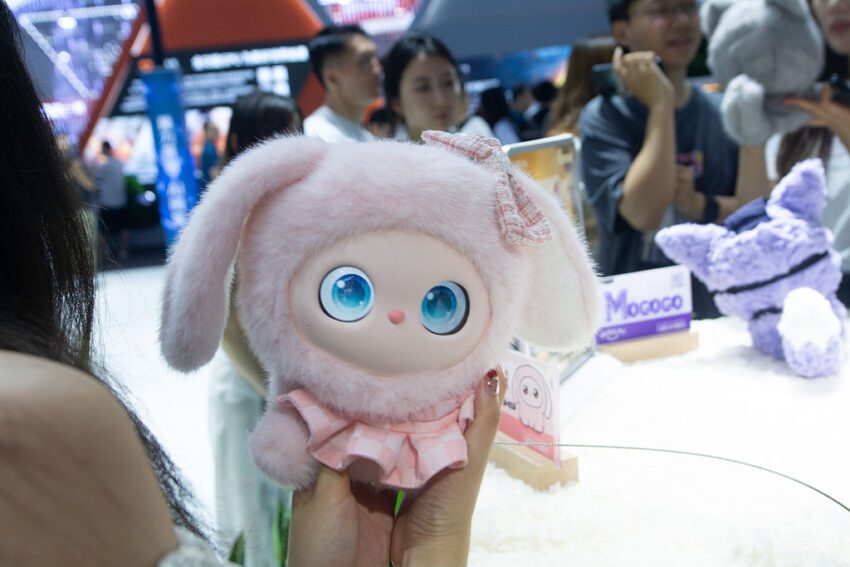
california lawmaker proposes a four-year ban on A California lawmaker has introduced a bill aimed at banning AI chatbots in children’s toys for a period of four years, emphasizing the need for safety regulations before such technology is integrated into products aimed at young audiences.
california lawmaker proposes a four-year ban on
Background on AI in Children’s Toys
The integration of artificial intelligence (AI) into children’s toys has been a growing trend in recent years. Companies have increasingly sought to enhance play experiences by incorporating interactive features powered by AI, allowing toys to respond to children’s voices, learn from their interactions, and even engage in conversations. While this innovation has been marketed as a way to foster creativity and learning, it has also raised significant concerns regarding safety, privacy, and the psychological impact on children.
As technology continues to evolve, the implications of AI in toys are becoming clearer. Concerns have emerged regarding data collection practices, the potential for inappropriate content, and the overall impact on child development. Critics argue that without stringent regulations, children may be exposed to risks that they are not equipped to handle. This backdrop sets the stage for the recent legislative proposal by California Senator Steve Padilla.
The Legislative Proposal
Senator Steve Padilla, representing California’s 18th District, has taken a proactive stance on this issue by introducing a bill that seeks to impose a four-year ban on the use of AI chatbots in children’s toys. The primary objective of this legislation is to allow time for the development of comprehensive safety regulations that would govern the use of AI in products designed for children.
Key Statements from Senator Padilla
In a statement regarding the bill, Padilla remarked, “Our children cannot be used as lab rats for Big Tech to experiment on.” This statement underscores his belief that children should not be subjected to unregulated technology that could have unforeseen consequences. By advocating for a ban, Padilla aims to prioritize the safety and well-being of children over the interests of technology companies.
Concerns Surrounding AI Chatbots in Toys
The concerns surrounding AI chatbots in children’s toys are multi-faceted. Here are some of the primary issues that have been raised:
- Data Privacy: Many AI-enabled toys collect data from users to improve their functionality. This raises questions about how that data is stored, who has access to it, and how it is used. Parents are increasingly worried about the potential for sensitive information to be misused.
- Inappropriate Content: AI chatbots learn from interactions, which means they can inadvertently expose children to inappropriate language or themes. Without proper oversight, there is a risk that toys could engage in conversations that are not suitable for young audiences.
- Psychological Impact: The interaction between children and AI can influence their social development. Critics argue that reliance on AI for companionship could hinder children’s ability to form real-life relationships and develop essential social skills.
- Manipulation and Marketing: There are concerns that AI chatbots could be used to manipulate children’s desires and preferences, leading to increased consumerism at a young age. This raises ethical questions about the role of technology in shaping children’s values.
Stakeholder Reactions
The introduction of this bill has elicited a range of reactions from various stakeholders, including parents, educators, child psychologists, and technology companies.
Parents and Advocacy Groups
Many parents and advocacy groups have expressed support for Padilla’s proposal. They argue that the safety of children should be the top priority and that a ban on AI chatbots in toys is a necessary step toward ensuring that children are not exposed to unregulated technology. Organizations focused on child safety have applauded the initiative, viewing it as a proactive measure to protect young users from potential harm.
Educators and Child Psychologists
Educators and child psychologists have also weighed in on the issue. Some experts have noted that while technology can enhance learning, it should not replace traditional forms of play and interaction. They emphasize the importance of face-to-face communication and the development of interpersonal skills, which could be compromised by excessive reliance on AI-driven toys.
Technology Companies
On the other hand, technology companies that produce AI-enabled toys have expressed concerns about the implications of the proposed ban. Many argue that AI can provide valuable educational benefits and enhance the learning experience for children. They contend that with proper guidelines and oversight, the risks associated with AI chatbots can be effectively managed. Some companies have called for collaboration with lawmakers to create a regulatory framework that addresses safety concerns without stifling innovation.
Implications of the Proposed Ban
The proposed four-year ban on AI chatbots in children’s toys could have far-reaching implications for the industry and for consumers. Here are some potential outcomes:
- Encouragement of Safety Standards: The ban could serve as a catalyst for the development of safety standards that govern the use of AI in children’s products. This could lead to a more secure environment for children and give parents greater confidence in the toys they purchase.
- Impact on Innovation: While some argue that the ban could stifle innovation, others believe it could encourage companies to focus on creating safer, more responsible technology. This could lead to the development of new products that prioritize child safety while still leveraging the benefits of AI.
- Increased Awareness: The discussion surrounding the ban has already raised awareness about the potential risks associated with AI in children’s toys. This increased scrutiny may lead to more informed consumer choices and greater demand for transparency from manufacturers.
- Potential for Legislative Precedent: If successful, this legislation could set a precedent for other states to follow, leading to a broader national conversation about the regulation of AI in consumer products.
Next Steps in the Legislative Process
As the bill moves through the legislative process, it will likely undergo scrutiny and debate. Lawmakers will need to consider various perspectives and weigh the potential benefits and drawbacks of the proposed ban. Public hearings may be held to gather input from stakeholders, including parents, educators, and technology experts.
Ultimately, the outcome of this legislative initiative could shape the future of AI in children’s toys and influence how technology companies approach the development of products aimed at young audiences.
Conclusion
Senator Steve Padilla’s proposal for a four-year ban on AI chatbots in children’s toys highlights the growing concerns surrounding the integration of technology into products designed for young users. As the debate unfolds, it will be essential for lawmakers, parents, and industry leaders to collaborate in creating a framework that prioritizes child safety while allowing for innovation in the toy industry. The implications of this legislation could resonate far beyond California, potentially influencing national standards for the use of AI in consumer products aimed at children.
Source: Original report
Was this helpful?
Explore more: More Big Tech & Platforms Tech News Blog
Last Modified: January 7, 2026 at 9:36 am
14 views