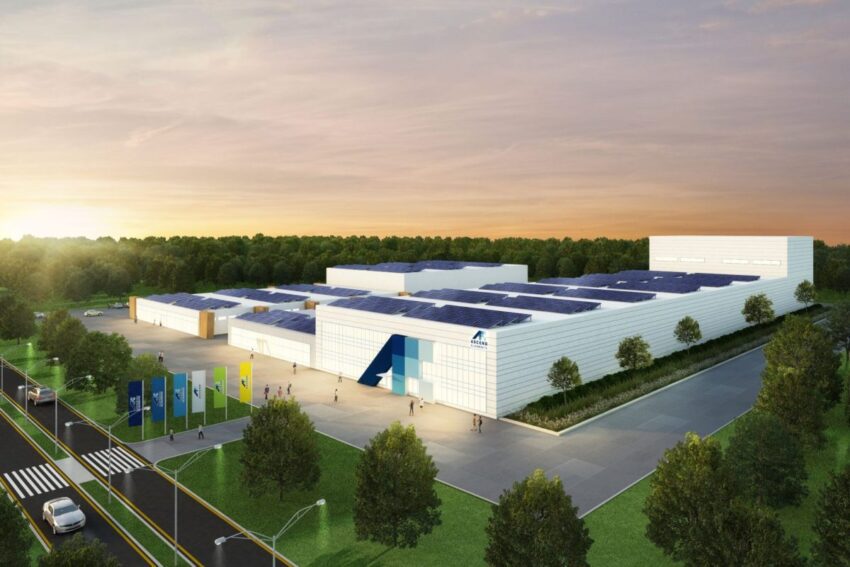
battery recycler ascend elements files for bankruptcy Ascend Elements has announced its decision to file for Chapter 11 bankruptcy, a move prompted by the cancellation of a significant government grant and ongoing challenges within the lithium-ion battery market.
battery recycler ascend elements files for bankruptcy
Background on Ascend Elements
Founded in 2020, Ascend Elements emerged as a key player in the battery recycling industry, focusing on sustainable solutions for lithium-ion batteries. The company aimed to address the growing demand for battery materials, particularly as electric vehicles (EVs) gained popularity. Ascend Elements specialized in recycling used batteries to recover valuable materials like lithium, cobalt, and nickel, which are essential for producing new batteries.
The company positioned itself as a pioneer in the circular economy, promoting the idea that battery materials could be reused rather than mined anew. This approach not only aimed to reduce environmental impact but also sought to alleviate supply chain pressures associated with the increasing demand for battery materials.
Challenges Leading to Bankruptcy Filing
Despite its ambitious goals, Ascend Elements faced significant hurdles that ultimately led to its bankruptcy filing. The cancellation of a crucial government grant was a pivotal moment for the company. The grant, which was expected to provide substantial financial support, was intended to help Ascend Elements scale its operations and enhance its recycling technologies. Without this funding, the company found itself in a precarious financial position.
In addition to the loss of the grant, the broader market for lithium-ion batteries has been characterized by volatility and uncertainty. Factors such as fluctuating raw material prices, supply chain disruptions, and increasing competition have created a challenging environment for battery recyclers. The demand for recycled materials has not kept pace with the rapid growth of the EV market, leading to oversupply and reduced margins for companies like Ascend Elements.
Market Dynamics and Competition
The lithium-ion battery market has seen explosive growth in recent years, driven primarily by the transition to electric vehicles and renewable energy storage solutions. However, this growth has also attracted numerous competitors, intensifying the race for market share. Established players and new entrants alike have invested heavily in battery recycling technologies, creating a crowded landscape.
As competition increased, Ascend Elements struggled to differentiate itself and maintain profitability. The company’s reliance on government grants and external funding made it vulnerable to shifts in policy and market conditions. The cancellation of the grant not only impacted its immediate financial health but also raised questions about its long-term viability in a competitive market.
Implications of Bankruptcy Filing
The Chapter 11 bankruptcy filing allows Ascend Elements to reorganize its debts and operations while continuing to operate. This legal process is designed to provide companies with a chance to restructure and emerge stronger. However, the path to recovery is fraught with challenges, and the company’s future remains uncertain.
One of the immediate implications of the bankruptcy filing is the potential impact on employees. As the company navigates its restructuring process, layoffs and workforce reductions may occur. This could lead to a loss of talent and expertise, further complicating the company’s efforts to regain its footing in the market.
Stakeholder Reactions
The bankruptcy filing has elicited a range of reactions from stakeholders, including investors, employees, and industry experts. Investors may express concern over the company’s ability to recover, particularly given the competitive landscape. The loss of the government grant may also raise questions about the viability of similar companies that rely on public funding.
Employees, on the other hand, may feel anxious about job security and the future of the company. The uncertainty surrounding the restructuring process can lead to low morale and decreased productivity, further complicating the company’s recovery efforts.
Future of Battery Recycling
The bankruptcy of Ascend Elements raises important questions about the future of battery recycling as an industry. As the demand for electric vehicles continues to rise, the need for sustainable recycling solutions will only become more pressing. However, the challenges faced by Ascend Elements highlight the complexities of operating in this space.
Industry experts suggest that companies in the battery recycling sector must adapt to changing market conditions and consumer demands. This may involve diversifying revenue streams, investing in innovative technologies, and forming strategic partnerships to enhance operational efficiency. Additionally, companies may need to explore alternative funding sources beyond government grants to ensure financial stability.
Regulatory Landscape
The regulatory environment surrounding battery recycling is also evolving. Governments worldwide are increasingly recognizing the importance of sustainable practices in the battery supply chain. New regulations aimed at promoting recycling and reducing waste may create opportunities for companies that can navigate the complexities of compliance.
However, navigating this regulatory landscape can be challenging, particularly for smaller companies like Ascend Elements. The cost of compliance and the need for transparency can strain resources, making it difficult for companies to remain competitive. As the industry matures, it will be essential for stakeholders to engage in dialogue with regulators to shape policies that support sustainable practices while fostering innovation.
Conclusion
Ascend Elements’ decision to file for Chapter 11 bankruptcy underscores the challenges faced by companies in the battery recycling industry. The cancellation of a critical government grant and a competitive market have created significant obstacles for the company. As it embarks on a restructuring process, the future remains uncertain, not only for Ascend Elements but also for the broader battery recycling sector.
As the demand for electric vehicles continues to grow, the need for sustainable recycling solutions will remain a priority. The industry must adapt to changing market dynamics, regulatory pressures, and consumer expectations to thrive in the long term. The path forward will require innovation, collaboration, and a commitment to sustainability.
Source: Original report
Was this helpful?
Explore more: More Business & Startups Tech News Blog
Last Modified: April 11, 2026 at 1:36 am
15 views