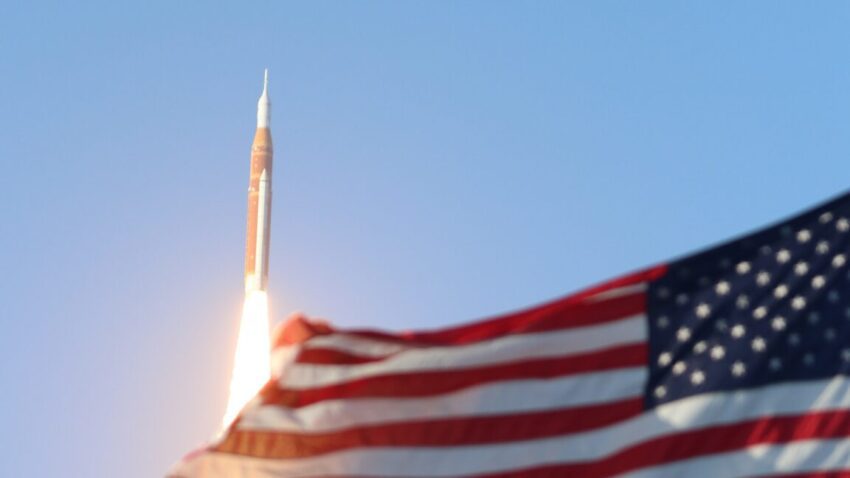
artemis ii nasa s boldest mission in NASA’s Artemis II mission has successfully launched a crew of four astronauts on a historic journey to the Moon, marking a significant milestone in space exploration.
artemis ii nasa s boldest mission in
Launch Details
On Wednesday, at 6:35 PM EDT (22:35 UTC), three American astronauts and one Canadian astronaut embarked on their journey from Florida’s Space Coast. They launched aboard the Space Launch System (SLS), the most powerful rocket ever flown with humans on board. This mission is the first crewed flight of the Artemis program, which aims to return humans to the Moon and eventually pave the way for Mars exploration.
Rocket Specifications
The SLS stands at an impressive 322 feet (98 meters) tall and weighs nearly 6 million pounds. It is equipped with four hydrogen-fueled RS-25 engines and two solid rocket boosters. Together, these components generated a staggering 8.8 million pounds of thrust, surpassing the capabilities of NASA’s iconic Saturn V rocket, which was used during the Apollo lunar missions. This powerful launch vehicle is designed to carry astronauts and cargo beyond low Earth orbit, making it a critical asset for future deep space missions.
Mission Objectives
The Artemis II mission is a crucial step in NASA’s broader Artemis program, which aims to establish a sustainable human presence on the Moon by the end of the decade. The primary objectives of this mission include:
- Testing the performance of the SLS and the Orion spacecraft in a crewed environment.
- Conducting a lunar flyby to gather data and assess the spacecraft’s systems.
- Preparing for future missions that will land astronauts on the lunar surface.
During the nine-day mission, the crew will travel approximately 1.4 million miles, including a flyby of the Moon, before returning to Earth. This mission will help validate the technologies and systems necessary for future lunar landings and long-duration spaceflight.
The Crew
The Artemis II crew consists of four highly trained astronauts, each bringing unique skills and experiences to the mission. The team includes:
- Reid Wiseman (Commander): A veteran astronaut with previous experience aboard the International Space Station (ISS), Wiseman will lead the mission and ensure the safety and success of the crew.
- Victor Glover (Pilot): Glover is also an experienced astronaut and naval aviator. He previously spent time on the ISS and will assist in piloting the spacecraft during its journey.
- Christina Koch (Mission Specialist): Koch holds the record for the longest single spaceflight by a woman and has extensive experience in conducting scientific research in microgravity.
- Jeremy Hansen (Mission Specialist): A Canadian astronaut, Hansen is the first Canadian to participate in a crewed lunar mission. His expertise in piloting and mission operations will be invaluable during the flight.
This diverse crew represents a collaborative effort between NASA and the Canadian Space Agency, highlighting the international nature of modern space exploration.
Historical Context
The Artemis II mission is a continuation of NASA’s legacy of lunar exploration that began with the Apollo program in the 1960s and 1970s. The Apollo missions successfully landed humans on the Moon, with Apollo 11 being the first to do so in 1969. However, after Apollo 17 in 1972, human lunar exploration ceased for decades.
With the Artemis program, NASA aims to not only return humans to the Moon but also to establish a sustainable presence there. This includes the development of the Lunar Gateway, a space station that will orbit the Moon and serve as a staging point for lunar landings and future missions to Mars.
Technological Advancements
The Artemis II mission showcases several technological advancements that have been developed since the Apollo era. These include:
- Orion Spacecraft: The Orion spacecraft is designed for deep space missions and is equipped with advanced life support systems, navigation technologies, and enhanced communication capabilities.
- Space Launch System: The SLS is a significant upgrade over the rockets used during the Apollo program, featuring improved engines and boosters that provide greater thrust and payload capacity.
- Safety Measures: Enhanced safety protocols and systems have been implemented to protect astronauts during launch and re-entry, including an advanced launch escape system that can quickly propel the crew away from the rocket in case of an emergency.
Stakeholder Reactions
The launch of Artemis II has garnered significant attention from various stakeholders, including government officials, space agencies, and the general public. NASA Administrator Bill Nelson expressed his excitement, stating, “This mission is a testament to the hard work and dedication of thousands of people who have contributed to the Artemis program. We are on the brink of a new era in space exploration.”
International partners, including the Canadian Space Agency, have also expressed their support for the mission. CSA President Lisa Campbell remarked, “The Artemis II mission is a historic step for international collaboration in space exploration. We are proud to have a Canadian astronaut on board, representing our commitment to advancing human spaceflight.”
Public Engagement
The Artemis II launch has captured the imagination of the public, with many viewing it as a pivotal moment in the quest for lunar exploration. NASA has actively engaged with audiences through social media, live broadcasts, and educational programs to generate excitement and awareness about the mission.
Public interest in space exploration has surged in recent years, fueled by advancements in technology, increased accessibility to space travel, and a growing understanding of the importance of scientific research beyond Earth. The Artemis program aims to inspire a new generation of scientists, engineers, and explorers.
Future Implications
The successful launch of Artemis II will have far-reaching implications for future space missions. The data and experiences gained from this mission will inform subsequent Artemis missions, including Artemis III, which aims to land astronauts on the lunar surface for the first time since Apollo 17.
Additionally, the Artemis program is seen as a stepping stone for human exploration of Mars. NASA plans to use the technologies and knowledge acquired during the Artemis missions to prepare for crewed missions to the Red Planet, which could occur in the 2030s.
Challenges Ahead
Despite the excitement surrounding the Artemis II mission, challenges remain. The complexities of deep space travel, including radiation exposure, life support systems, and psychological factors, must be addressed to ensure the safety and well-being of astronauts on long-duration missions.
Moreover, the Artemis program faces budgetary constraints and political scrutiny. Ensuring sustained funding and support from Congress will be crucial for the program’s success and its long-term goals of lunar exploration and Mars missions.
Conclusion
The launch of Artemis II marks a significant milestone in NASA’s efforts to return humans to the Moon and explore beyond. As the crew embarks on their nine-day journey, they carry with them the hopes and aspirations of a new generation of explorers. The mission not only aims to advance our understanding of the Moon but also sets the stage for future human exploration of Mars and beyond. The Artemis program represents a bold vision for humanity’s future in space, and the successful launch of Artemis II is a testament to the dedication and innovation of the global space community.
Source: Original report
Was this helpful?
Explore more: More General Technology Tech News Blog
Last Modified: April 2, 2026 at 2:35 pm
9 views