20 years of intel macs why apple The upcoming release of macOS 27 later this fall marks a significant milestone in the evolution of Apple’s computing platform, as it signals the twilight of the Intel Mac era.
20 years of intel macs why apple
Transitioning to Intel: A New Era Begins
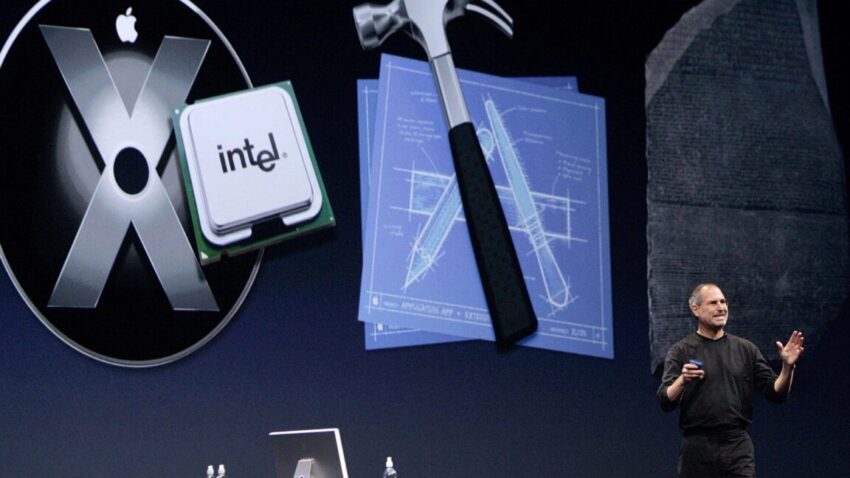
In 2006, Apple made a pivotal decision to transition its Macintosh computers from PowerPC processors to Intel chips. This shift was not merely a technical upgrade; it represented a strategic move that would redefine the Mac experience. The transition was driven by several factors, including performance, compatibility, and the desire to unify the software ecosystem across Apple’s product lines.
Performance and Efficiency
At the time of the switch, Intel’s processors offered superior performance and energy efficiency compared to the aging PowerPC architecture. The introduction of Intel’s Core Duo processors allowed Apple to deliver faster and more responsive machines. This was particularly important as users began to demand more from their computers, including better graphics capabilities and multitasking performance.
Software Compatibility
Another significant advantage of the Intel transition was compatibility with a broader range of software. Many developers were already creating applications for Windows systems running on Intel chips, making it easier for Apple to attract software developers to the Mac platform. The Rosetta translation layer, introduced alongside the first Intel Macs, allowed users to run existing PowerPC applications seamlessly, easing the transition for consumers and businesses alike.
The Impact of Intel on the Mac Experience
The Intel partnership brought about a series of innovations that fundamentally changed the Mac experience. From improved hardware to enhanced software capabilities, the collaboration allowed Apple to push the boundaries of what was possible in personal computing.
Enhanced Graphics and Multimedia
With Intel’s integrated graphics solutions and support for advanced graphics technologies, Apple was able to enhance the multimedia capabilities of its Macs. This was particularly evident in the MacBook line, which became popular among creative professionals for video editing, graphic design, and music production. The introduction of tools like Final Cut Pro and Logic Pro further solidified the Mac’s reputation as a go-to platform for creatives.
Boot Camp and Dual-Booting
One of the most notable features introduced during the Intel era was Boot Camp, which allowed users to run Windows natively on their Macs. This capability appealed to a broader audience, including gamers and business users who required access to Windows-specific applications. The dual-booting feature made it easier for users to switch between macOS and Windows, thereby expanding the Mac’s usability in diverse environments.
Challenges and Limitations
Despite the numerous benefits that came with the Intel transition, the partnership was not without its challenges. Over time, some users began to notice performance issues and limitations that arose from relying on Intel’s architecture.
Performance Bottlenecks
As software demands increased, some Intel Macs struggled to keep pace. The reliance on Intel processors meant that Apple was subject to the same performance limitations that affected the broader PC market. Users began to express concerns about the longevity of their devices, particularly as newer applications required more processing power and memory.
Compatibility Issues
While the Rosetta translation layer initially facilitated a smooth transition, it was not a perfect solution. As Apple moved forward with new operating systems and software updates, compatibility issues began to arise. Some users found that older applications would not run as efficiently, leading to frustration and dissatisfaction.
The Shift to Apple Silicon
In 2020, Apple announced its decision to transition away from Intel processors and develop its own Apple Silicon chips. This marked the beginning of a new chapter in the Mac’s evolution, one that promised to address many of the shortcomings experienced during the Intel era.
Performance Gains with M1 and Beyond
The introduction of the M1 chip was a game-changer. Built on a 5-nanometer process, the M1 offered significant performance improvements over its Intel predecessors. Users reported faster application launches, improved battery life, and enhanced graphics performance. The M1 chip’s architecture allowed for better integration between hardware and software, resulting in a more seamless user experience.
Unified Architecture
Apple Silicon also allowed for a unified architecture across all of Apple’s devices, including iPhones, iPads, and Macs. This integration has enabled developers to create applications that work seamlessly across platforms, further enhancing the overall ecosystem. The transition to Apple Silicon has also allowed Apple to optimize its software for its hardware, resulting in improved performance and efficiency.
The Future of macOS: What Lies Ahead
As macOS 27 approaches, it is clear that the Intel Mac era is coming to an end. While the last few models capable of running macOS 26 Tahoe will receive security and Safari updates for an additional two years, the focus is shifting toward Apple Silicon and the future of macOS.
Legacy Support and Transitioning Users
For users still relying on Intel Macs, Apple’s commitment to providing updates for a limited time is a welcome gesture. However, as the industry moves forward, users will need to consider transitioning to Apple Silicon to take full advantage of the latest features and performance enhancements. The Rosetta compatibility layer will remain available for some time, allowing users to run Intel applications on Apple Silicon, but it is not a permanent solution.
Implications for Developers
The transition to Apple Silicon also has significant implications for developers. As Apple continues to optimize its software for its own chips, developers will need to adapt their applications to ensure compatibility and performance. This shift may lead to a more streamlined development process, but it also requires a commitment to updating existing applications and creating new ones tailored for the Apple Silicon architecture.
Conclusion: Reflecting on Two Decades of Change
The Intel Mac era has been a transformative period in Apple’s history, marked by significant advancements in performance, compatibility, and user experience. However, as the company moves forward with its own Apple Silicon chips, it is essential to reflect on the lessons learned during this time. The transition to Intel brought about numerous benefits, but it also highlighted the importance of control over hardware and software integration.
As macOS 27 approaches, it serves as a reminder of the evolution of the Mac and the ongoing pursuit of innovation. While the Intel partnership has come to a close, the legacy of the Intel Mac will continue to influence the future of Apple’s computing platform.
Source: Original report
Was this helpful?
Explore more: More Hardware & Devices Tech News Blog
Last Modified: June 15, 2026 at 10:35 pm
15 views