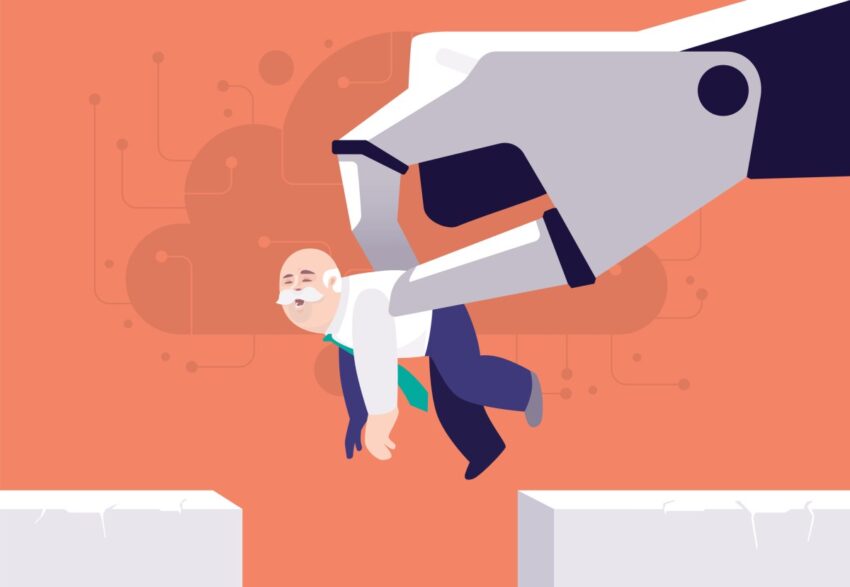
15 of americans say they d be Recent polling data reveals that a notable segment of the American workforce is open to the prospect of working under the supervision of artificial intelligence.
15 of americans say they d be
Poll Findings: A Snapshot of AI Acceptance
According to a Quinnipiac University poll, 15% of Americans expressed a willingness to accept a job where their direct supervisor would be an AI program responsible for assigning tasks and setting schedules. This statistic is particularly intriguing as it highlights a growing acceptance of AI in the workplace, a trend that has been gaining momentum in recent years.
Demographics of Acceptance
The willingness to work under an AI supervisor varies across different demographics. The poll indicates that younger individuals, particularly those aged 18 to 34, are more likely to embrace the idea of AI in managerial roles. Approximately 25% of respondents in this age group indicated they would be comfortable with an AI boss. In contrast, acceptance rates decline with age; only 10% of those aged 35 to 54 and a mere 5% of individuals aged 55 and older expressed similar sentiments.
This generational divide raises questions about the future of work and the role of technology in shaping workplace dynamics. Younger workers, who have grown up in a digital age, may be more accustomed to interacting with technology and may view AI as a tool that can enhance productivity rather than a threat to job security.
Implications for the Workforce
The implications of these findings are significant for employers and policymakers alike. As AI technology continues to evolve, organizations may increasingly consider integrating AI systems into their management structures. This could lead to a shift in how tasks are assigned and monitored, potentially streamlining operations and improving efficiency.
However, the integration of AI in supervisory roles also raises ethical and practical concerns. For instance, how will AI systems make decisions regarding employee performance? Will they be able to understand the nuances of human behavior and workplace dynamics? These questions are critical as organizations weigh the benefits of AI against potential drawbacks.
AI in the Workplace: Current Trends
The use of AI in the workplace is not a new phenomenon. Many organizations have already begun to implement AI-driven tools for various functions, including recruitment, performance evaluation, and even customer service. For example, AI algorithms are increasingly used to screen resumes, analyze employee performance metrics, and predict employee turnover.
AI in Recruitment
In recruitment, AI can help streamline the hiring process by quickly analyzing large volumes of applications and identifying candidates who meet specific criteria. This can save human resources teams considerable time and effort. However, reliance on AI in recruitment also raises concerns about bias. If the algorithms are trained on historical data that reflects existing biases, they may inadvertently perpetuate these biases in hiring decisions.
Performance Evaluation
AI is also being utilized in performance evaluation, where it can analyze employee productivity and provide insights into performance trends. This data-driven approach can help organizations identify high performers and those who may need additional support. However, the challenge lies in ensuring that AI systems are transparent and fair in their evaluations, as employees may feel uncomfortable being assessed by an algorithm.
Stakeholder Reactions
The reactions to the idea of AI supervisors are mixed among various stakeholders. While some employees express enthusiasm about the potential for increased efficiency and reduced micromanagement, others voice concerns about job security and the potential for dehumanization in the workplace.
Employee Perspectives
Among employees who support the idea of AI supervision, many believe that AI can help eliminate bias in management decisions. They argue that AI systems can provide objective assessments of performance, free from the subjective influences that often accompany human judgment. This perspective aligns with the growing demand for fairness and transparency in workplace practices.
Conversely, those who oppose the idea of AI bosses often cite concerns about the lack of empathy and understanding that AI systems inherently possess. Critics argue that human supervisors can provide emotional support and mentorship, which are crucial for employee development and morale. The fear is that an AI supervisor would lack the ability to navigate complex interpersonal dynamics, potentially leading to a less supportive work environment.
Employer Perspectives
Employers are also divided on the issue. Some see the integration of AI as a way to enhance productivity and reduce operational costs. By automating certain supervisory functions, organizations could allocate resources more effectively and focus on strategic initiatives. However, others express caution, emphasizing the importance of maintaining a human touch in management.
Moreover, employers must consider the legal and ethical implications of using AI in supervisory roles. Questions surrounding accountability arise: if an AI system makes a decision that negatively impacts an employee, who is responsible? These considerations will be critical as organizations navigate the complexities of integrating AI into their management structures.
The Future of AI in Management
As AI technology continues to advance, its role in management is likely to expand. Organizations may increasingly adopt hybrid models that combine AI-driven insights with human oversight. This approach could allow companies to leverage the strengths of both AI and human managers, creating a more balanced and effective supervisory structure.
Training and Development
To prepare for this future, organizations will need to invest in training and development programs that equip employees with the skills necessary to work alongside AI systems. This includes fostering digital literacy and understanding how to interpret and act on AI-generated insights. Additionally, organizations should prioritize creating a culture that values collaboration between humans and AI, emphasizing the complementary roles each can play.
Regulatory Considerations
Policymakers will also need to address the regulatory landscape surrounding AI in the workplace. As AI becomes more prevalent, regulations may be necessary to ensure that its implementation is fair and equitable. This could include guidelines for transparency in AI decision-making processes and measures to prevent discrimination in AI-driven evaluations.
Conclusion: Navigating the AI Landscape
The Quinnipiac University poll highlights a significant shift in attitudes toward AI in the workplace, with 15% of Americans expressing a willingness to work under an AI supervisor. As organizations consider the integration of AI into their management structures, they must navigate a complex landscape of ethical, practical, and regulatory challenges. The future of work will likely involve a blend of human and AI collaboration, requiring both employees and employers to adapt to new dynamics.
Ultimately, the success of AI in supervisory roles will depend on how well organizations can balance the benefits of automation with the need for human connection and understanding in the workplace. As this trend continues to evolve, ongoing dialogue among stakeholders will be essential to ensure that the integration of AI enhances rather than detracts from the employee experience.
Source: Original report
Was this helpful?
Explore more: AI Automation Services More AI & Automation Tech News
Last Modified: March 31, 2026 at 11:41 am
10 views