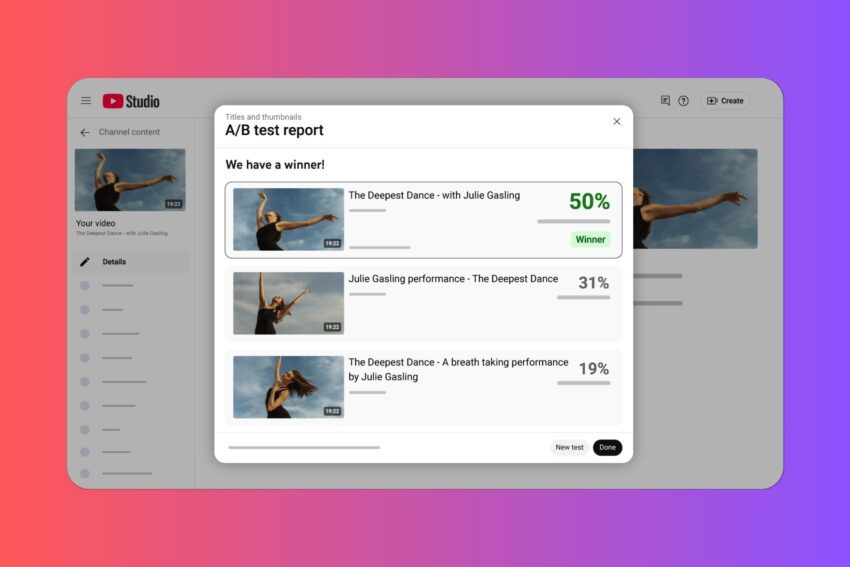
youtube creators can now test multiple video YouTube has introduced a new feature that allows creators to test multiple video titles, enhancing their ability to optimize content for viewer engagement.
youtube creators can now test multiple video
Overview of the New Feature
In a significant update to its platform, YouTube has expanded its A/B testing capabilities, enabling creators to experiment with different video titles. Initially made available to a select group of creators in July, this feature is now accessible to all users with advanced features in YouTube Studio. This move aims to empower creators by providing them with the tools necessary to make data-driven decisions regarding their video titles, which are crucial for attracting viewers.
How the A/B Testing Works
The A/B testing interface allows creators to upload up to three different titles for a single video. Alongside these titles, creators can also test various thumbnails, providing a comprehensive approach to optimizing video presentation. YouTube will then distribute these titles and thumbnails evenly across viewers, ensuring that the performance metrics are reliable and reflective of audience preferences.
This feature is particularly beneficial for creators who may struggle with crafting compelling titles that resonate with their target audience. By allowing creators to see which titles garner more clicks and engagement, YouTube is fostering a more data-driven approach to content creation.
Importance of Video Titles
Video titles play a critical role in the success of content on YouTube. They serve as the first point of contact for potential viewers and can significantly influence whether someone decides to click on a video. A well-crafted title can enhance visibility in search results and recommendations, ultimately leading to higher view counts and engagement rates.
Factors Influencing Title Effectiveness
Several factors contribute to the effectiveness of video titles:
- Relevance: Titles should accurately reflect the content of the video to meet viewer expectations.
- Keywords: Including relevant keywords can improve searchability, making it easier for viewers to discover the video.
- Emotional Appeal: Titles that evoke curiosity or emotion can encourage clicks.
- Length: Titles that are too long may get truncated in search results, while overly short titles may lack context.
With the new A/B testing feature, creators can experiment with these factors to determine what resonates best with their audience.
Implications for Content Creators
The expansion of A/B testing capabilities represents a significant shift in how creators can approach content optimization. Previously, creators often relied on intuition or anecdotal evidence to determine which titles worked best. Now, they can leverage empirical data to make informed decisions, potentially leading to improved viewer engagement and retention.
Potential for Increased Engagement
By utilizing the A/B testing feature, creators may see a marked increase in viewer engagement. Titles that perform well can lead to higher click-through rates (CTR), which is a critical metric for success on the platform. A higher CTR often correlates with better visibility in YouTube’s algorithm, which can further amplify a video’s reach.
Moreover, as creators refine their title strategies based on data, they may also enhance their overall content strategy. Understanding what attracts viewers can inform future video topics, formats, and promotional strategies.
Stakeholder Reactions
The introduction of the A/B testing feature has garnered positive reactions from various stakeholders within the YouTube community. Creators have expressed enthusiasm about the opportunity to optimize their content more effectively. Many see this as a step toward leveling the playing field, allowing smaller creators to compete more effectively with established channels.
Feedback from Creators
Creators have long advocated for more robust tools to analyze and optimize their content. The ability to test titles and thumbnails is seen as a valuable addition that can lead to more successful video launches. Some creators have already begun experimenting with the feature, sharing their results and insights within the community.
For example, a creator specializing in educational content noted that A/B testing allowed them to identify which titles resonated more with their audience, leading to a significant increase in views for their latest video. This kind of feedback highlights the practical benefits of the new feature and its potential impact on content strategy.
Challenges and Considerations
While the A/B testing feature offers numerous advantages, it is not without its challenges. Creators must consider several factors when implementing this tool effectively.
Understanding Audience Preferences
One of the primary challenges is understanding the nuances of audience preferences. What works for one creator may not necessarily work for another, even within the same niche. Therefore, it is crucial for creators to analyze their audience demographics and engagement patterns before conducting A/B tests.
Time and Resource Investment
Another consideration is the time and resources required to conduct A/B testing effectively. While the feature simplifies the process, creators must still dedicate time to analyze results and make adjustments based on the data. This can be particularly challenging for creators who are already managing multiple aspects of their channels, from filming and editing to marketing and community engagement.
Future of A/B Testing on YouTube
The expansion of A/B testing capabilities is likely just the beginning of YouTube’s efforts to provide creators with more sophisticated tools for content optimization. As the platform continues to evolve, we may see further enhancements to the A/B testing feature, including more granular metrics and additional testing options.
Potential Enhancements
Future enhancements could include:
- Expanded Testing Options: Allowing creators to test additional elements such as descriptions, tags, or even video length.
- Real-Time Analytics: Providing real-time feedback on title performance to enable quicker adjustments.
- Integration with Other Platforms: Allowing creators to test titles across different social media platforms to see what resonates best with their audience.
Such enhancements would further empower creators to refine their content strategies and maximize their reach on the platform.
Conclusion
The introduction of A/B testing for video titles marks a significant advancement in YouTube’s offerings for creators. By enabling data-driven decision-making, this feature has the potential to enhance viewer engagement and improve the overall quality of content on the platform. As creators embrace this new tool, they can look forward to a more strategic approach to content creation, ultimately leading to greater success on YouTube.
Source: Original report
Was this helpful?
Explore more: Software Development More Software Development Tech News
Last Modified: December 9, 2025 at 9:39 pm
39 views