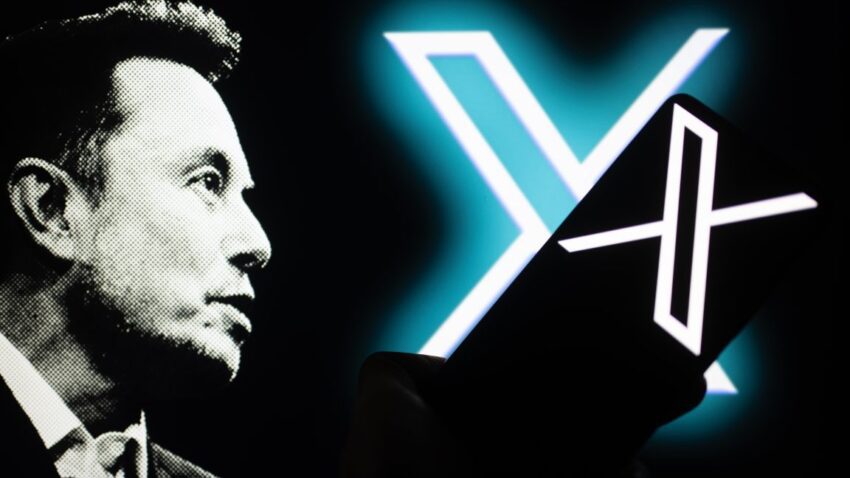
x office raided in france s grok French law enforcement authorities today raided X’s Paris office and summoned Elon Musk for questioning as part of an investigation into illegal content.
x office raided in france s grok
Overview of the Investigation
The Paris public prosecutor’s office has confirmed that the investigation, which has been ongoing for over a year, has recently expanded its scope. This development comes in light of serious allegations regarding the Grok chatbot, which has been accused of disseminating Holocaust-denial claims and sexually explicit deepfakes. These allegations raise significant concerns about the platform’s ability to regulate content and ensure user safety.
Europol, the European Union’s law enforcement agency, is assisting French authorities in this investigation. They have indicated that the inquiry encompasses a range of suspected criminal offenses linked to the functioning and use of the platform. This includes not only the dissemination of illegal content but also other forms of online criminal activity that may arise from the platform’s operations.
Details of the Raids
The raid on X’s Paris office marks a significant escalation in the investigation. French law enforcement agencies, including the Gendarmerie’s cybercrime unit, are actively involved in gathering evidence. The presence of Europol’s cybercrime center, which has deployed an analyst to assist national authorities on the ground, underscores the seriousness of the allegations and the collaborative effort to address them.
During the raid, authorities reportedly seized various materials that may be relevant to the investigation. This includes digital evidence from servers and devices used by the platform. The goal is to ascertain how the Grok chatbot operates and whether it has been used to facilitate the spread of illegal content.
Allegations Against Grok
The Grok chatbot, which has gained notoriety for its controversial outputs, has been at the center of scrutiny for its role in disseminating harmful content. The allegations of Holocaust denial are particularly alarming, as they not only violate laws against hate speech in many jurisdictions but also pose a threat to societal norms and historical accuracy.
Additionally, the claims regarding sexually explicit deepfakes raise ethical and legal questions about consent and the potential for harm to individuals depicted in such content. The ability of AI-driven platforms to generate and distribute such material without adequate oversight has become a pressing issue in discussions about technology and responsibility.
Implications for Content Moderation
This investigation highlights broader implications for content moderation practices across social media platforms. As AI technologies like Grok become more prevalent, the responsibility of companies to monitor and regulate the content generated by these systems is increasingly under scrutiny. The challenges of ensuring compliance with legal standards while fostering innovation in AI are complex and multifaceted.
Experts in digital ethics argue that platforms must implement robust moderation systems to prevent the spread of illegal content. This includes not only monitoring user-generated content but also actively managing the outputs of AI systems. Failure to do so can result in legal repercussions, as seen in this case, and can damage the reputation of the companies involved.
Responses from Key Stakeholders
The investigation has elicited varied responses from key stakeholders, including government officials, tech industry leaders, and civil rights advocates. French authorities have emphasized the importance of holding platforms accountable for the content they host and disseminate. They argue that the rise of AI technologies necessitates a reevaluation of existing legal frameworks to ensure they adequately address the challenges posed by these advancements.
Elon Musk, who has been a polarizing figure in the tech industry, has not publicly commented on the investigation at this time. However, his leadership of X has been marked by controversies, particularly regarding content moderation policies and the platform’s approach to free speech. The summons for questioning, while described as voluntary, indicates that authorities are keen to understand the decision-making processes behind the platform’s operations.
Linda Yaccarino’s Role
Former X CEO Linda Yaccarino, who resigned last year amid controversies surrounding Grok’s outputs, has also been summoned for questioning. Her departure from the company was marked by significant criticism regarding her handling of the platform’s content policies. Yaccarino’s insights into the operational decisions made during her tenure could provide valuable context for investigators as they seek to understand the dynamics at play within the organization.
Legal Context and Potential Consequences
The legal landscape surrounding online content and AI technologies is evolving rapidly. In Europe, regulations such as the Digital Services Act aim to hold platforms accountable for the content they host. These regulations require companies to take proactive measures to prevent the dissemination of illegal content and to ensure user safety.
The outcome of this investigation could have far-reaching implications for X and other tech companies operating in similar spaces. If found liable for failing to regulate illegal content, X could face significant fines and legal repercussions. Moreover, the investigation may prompt regulatory bodies to impose stricter guidelines on AI technologies and their applications in social media.
Broader Implications for the Tech Industry
The scrutiny faced by X is indicative of a larger trend within the tech industry, where companies are increasingly held accountable for the content generated on their platforms. The rise of AI technologies has introduced new challenges, as these systems can produce content that may not align with legal and ethical standards.
As regulatory bodies continue to adapt to the rapid advancements in technology, companies must navigate a complex landscape of compliance and ethical considerations. The investigation into X serves as a reminder that the responsibilities of tech companies extend beyond innovation; they must also prioritize user safety and adhere to legal standards.
Future of AI and Content Regulation
The future of AI and content regulation remains uncertain. As technologies continue to evolve, the need for clear guidelines and robust moderation practices becomes increasingly critical. Stakeholders across the tech industry must engage in ongoing discussions about the ethical implications of AI and the responsibilities of platforms in managing content.
Furthermore, the investigation into X may serve as a catalyst for broader reforms in how AI technologies are regulated. Policymakers, industry leaders, and civil society must work collaboratively to establish frameworks that balance innovation with accountability. This includes developing standards for content moderation, transparency in AI operations, and mechanisms for user recourse when harmful content is encountered.
Conclusion
The recent raid on X’s Paris office and the summons for Elon Musk and Linda Yaccarino for questioning underscore the urgent need for accountability in the tech industry. As the investigation unfolds, it will be crucial to monitor the responses from stakeholders and the potential implications for content regulation and AI technologies. The outcome of this case may set important precedents for how platforms manage content and navigate the complexities of legal compliance in an increasingly digital world.
Source: Original report
Was this helpful?
Explore more: Application Audit & Review More Cybersecurity Tech News
Last Modified: February 4, 2026 at 9:39 am
17 views