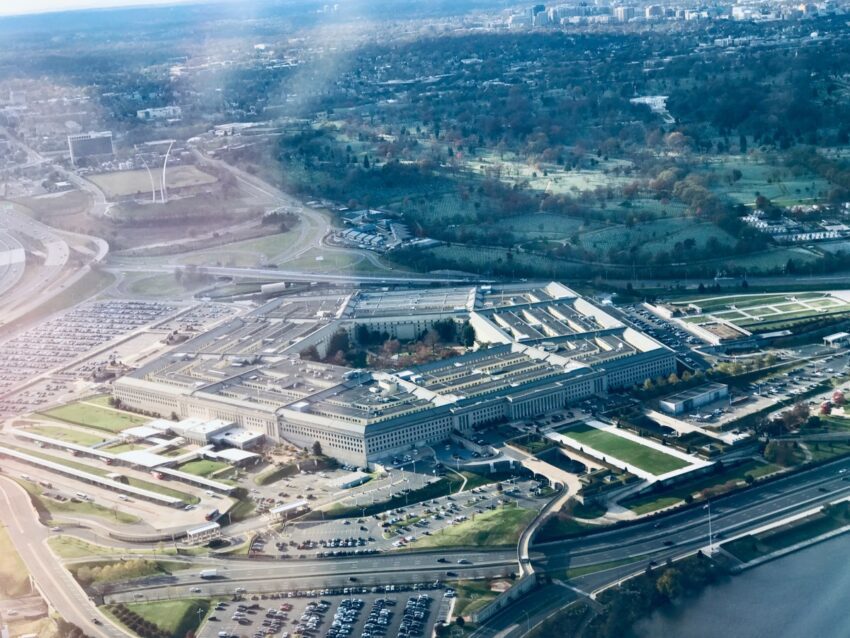
pentagon inks deals with nvidia microsoft and The Pentagon has secured partnerships with Nvidia, Microsoft, and Amazon Web Services (AWS) to enhance its artificial intelligence capabilities within classified networks.
pentagon inks deals with nvidia microsoft and
Background on the Pentagon’s AI Initiatives
The Department of Defense (DOD) has been increasingly focused on integrating artificial intelligence into its operations. This shift is part of a broader strategy to modernize military capabilities and maintain a technological edge over adversaries. AI technologies are seen as essential for various applications, including data analysis, predictive maintenance, and autonomous systems.
In recent years, the DOD has faced challenges in its AI initiatives, particularly regarding vendor relationships and the terms of usage for AI models. The controversy surrounding its dealings with Anthropic, a leading AI research company, highlighted the complexities involved in negotiating usage terms for AI technologies. This dispute underscored the necessity for the Pentagon to diversify its partnerships and reduce reliance on a single vendor.
New Partnerships with Major Tech Firms
The recent agreements with Nvidia, Microsoft, and AWS represent a strategic move by the DOD to bolster its AI capabilities. Each of these companies brings unique strengths to the table:
- Nvidia: Renowned for its powerful graphics processing units (GPUs), Nvidia has become a leader in AI hardware. The company’s technology is critical for training machine learning models and processing large datasets efficiently.
- Microsoft: With its extensive cloud infrastructure and AI services, Microsoft offers robust solutions for data management and analytics. The company’s Azure platform is particularly well-suited for deploying AI applications securely.
- Amazon Web Services (AWS): As a dominant player in cloud computing, AWS provides scalable resources and advanced AI tools. Its experience in handling sensitive data makes it a valuable partner for the DOD’s classified networks.
Implications of the Partnerships
The implications of these partnerships are significant. By collaborating with multiple vendors, the DOD aims to mitigate risks associated with vendor lock-in and ensure access to a diverse range of AI technologies. This approach not only enhances operational flexibility but also fosters innovation by leveraging the strengths of different companies.
Furthermore, these partnerships align with the DOD’s broader strategy to integrate AI across various branches of the military. The ability to deploy AI on classified networks will enable the Pentagon to enhance decision-making processes, improve situational awareness, and streamline logistics.
Addressing Previous Controversies
The DOD’s previous dispute with Anthropic serves as a cautionary tale regarding the complexities of AI partnerships. The disagreement centered around the terms of usage for Anthropic’s AI models, raising concerns about data privacy, security, and ethical considerations. As the DOD moves forward with its new partnerships, it is likely to implement more stringent guidelines to address these issues proactively.
By diversifying its vendor base, the Pentagon aims to avoid similar conflicts in the future. Establishing clear terms of engagement and ensuring compliance with ethical standards will be crucial in maintaining trust with both technology partners and the public.
Stakeholder Reactions
The reactions from various stakeholders regarding the Pentagon’s new partnerships have been mixed. Some defense analysts view the agreements as a positive step toward modernizing the military’s technological capabilities. They argue that leveraging AI will enhance the DOD’s operational effectiveness and readiness in an increasingly complex global landscape.
On the other hand, some critics express concerns about the ethical implications of deploying AI in military operations. They argue that the use of AI in warfare raises questions about accountability, transparency, and the potential for unintended consequences. As the DOD moves forward with its AI initiatives, it will need to address these concerns to maintain public trust and ensure responsible use of technology.
Future Prospects for AI in the Military
The integration of AI into military operations is still in its early stages, but the potential benefits are substantial. As the DOD continues to explore new applications for AI, several key areas are likely to see significant advancements:
- Intelligence Analysis: AI can process vast amounts of data from various sources, enabling faster and more accurate intelligence assessments. This capability is crucial for making informed decisions in dynamic operational environments.
- Autonomous Systems: The development of autonomous drones and vehicles is already underway, with AI playing a central role in navigation, target recognition, and mission planning. These systems can enhance operational efficiency while reducing risks to human personnel.
- Logistics and Supply Chain Management: AI can optimize supply chain operations, ensuring that military units have the necessary resources when and where they are needed. This capability is vital for maintaining readiness and effectiveness in the field.
Challenges Ahead
Despite the promising prospects, the DOD faces several challenges in implementing AI technologies. One of the primary concerns is ensuring the security of classified networks. As AI systems become more integrated into military operations, the potential for cyber threats increases. The DOD must prioritize cybersecurity measures to protect sensitive information and maintain operational integrity.
Additionally, the ethical implications of AI deployment in military contexts remain a significant concern. The DOD will need to establish clear guidelines and oversight mechanisms to ensure that AI technologies are used responsibly and in accordance with international law.
Conclusion
The Pentagon’s recent agreements with Nvidia, Microsoft, and AWS mark a pivotal moment in its efforts to harness the power of artificial intelligence for military applications. By diversifying its vendor partnerships, the DOD aims to enhance its technological capabilities while addressing the complexities and ethical considerations associated with AI deployment.
As the military continues to explore the potential of AI, it must navigate challenges related to cybersecurity, ethical use, and public trust. The successful integration of AI into military operations could redefine the landscape of modern warfare, providing the U.S. with a significant strategic advantage in an increasingly competitive global environment.
Source: Original report
Was this helpful?
Explore more: DevOps Services More Cloud & DevOps Tech News
Last Modified: May 2, 2026 at 12:38 am
14 views