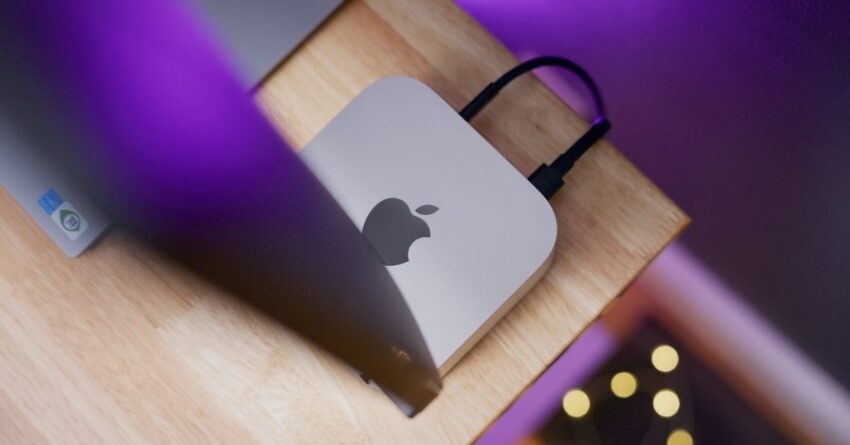
apple discontinues base mac mini now starts Apple has officially discontinued its base model Mac mini, which previously retailed for $599, and now the lowest-priced version starts at $799 with 512GB of storage.
apple discontinues base mac mini now starts
Discontinuation of the Base Model
Last week, the base model Mac mini, priced at $599 and equipped with 256GB of storage, became completely unavailable on the Apple Store. Customers noticed that the shipping estimates for this model had shifted to a vague “currently available,” indicating that stock issues were likely affecting the product’s availability. This situation raised questions about the future of the model, especially given Apple’s history of updating its product lines.
Following this, Apple has taken a definitive step by removing the $599 Mac mini from its website entirely. This move signals the effective discontinuation of the entry-level model, leaving consumers with the option to purchase the Mac mini starting at $799, which now includes 512GB of storage. This change reflects Apple’s ongoing strategy to streamline its product offerings while also pushing users toward higher storage capacities.
Implications of the Price Increase
The discontinuation of the base model raises several implications for consumers and the broader market. The price increase from $599 to $799 represents a significant jump, particularly for budget-conscious consumers who may have relied on the lower-priced model as an entry point into the Mac ecosystem.
Market Positioning
By discontinuing the base model, Apple appears to be repositioning the Mac mini within its product lineup. The new starting price of $799 aligns the Mac mini more closely with other Apple products, such as the MacBook Air and the iPad Pro, which also cater to users looking for a balance between performance and affordability. This strategy may help Apple maintain its premium brand image while also encouraging consumers to invest in higher-capacity devices.
Consumer Reactions
Consumer reactions to this change have been mixed. Some users express disappointment, particularly those who were considering the $599 model as a cost-effective solution for basic computing needs. The Mac mini has long been appreciated for its versatility and affordability, making it a popular choice among students, casual users, and even professionals who require a compact desktop solution.
On the other hand, some consumers recognize the value in the increased storage capacity. The shift to a 512GB model may appeal to users who require more space for applications, files, and media. As software and operating systems continue to grow in size, the need for larger storage solutions becomes increasingly important.
Background on the Mac mini
The Mac mini was first introduced by Apple in 2005 as a compact and affordable desktop option. Over the years, it has evolved significantly, with various updates to its hardware and design. The Mac mini has often been seen as a gateway product for users transitioning from Windows to macOS, thanks to its lower price point compared to other Mac devices.
Historically, the Mac mini has been favored by developers, media professionals, and even casual users who appreciate its small footprint and versatility. Its ability to connect to a wide range of peripherals and displays has made it a popular choice for home offices and creative setups alike.
Recent Updates and Features
In recent years, Apple has made substantial upgrades to the Mac mini, including the introduction of its own M1 chip in 2020. This transition to Apple silicon has significantly enhanced the performance and efficiency of the Mac mini, allowing it to compete more effectively with other desktop options on the market.
The M1 chip has been praised for its speed and power efficiency, making the Mac mini a capable machine for a variety of tasks, from basic computing to more demanding creative work. The inclusion of features such as Thunderbolt 3 ports, Wi-Fi 6, and improved graphics capabilities has further solidified the Mac mini’s position as a versatile desktop solution.
Stakeholder Reactions
Reactions from industry analysts and stakeholders have varied. Some experts believe that the discontinuation of the base model reflects a broader trend within the technology industry, where companies are increasingly focusing on higher-end products and services. This trend may be driven by rising manufacturing costs, supply chain challenges, and a shift in consumer preferences toward premium devices.
Others argue that Apple’s decision could alienate a segment of its customer base that values affordability. The tech industry has seen a growing demand for budget-friendly options, particularly in the wake of economic uncertainties and rising living costs. By eliminating the lower-priced Mac mini, Apple risks losing potential customers to competitors who offer more affordable alternatives.
Competitor Landscape
The discontinuation of the base Mac mini comes at a time when several competitors are expanding their offerings in the budget desktop market. Companies like Dell, HP, and Lenovo have introduced a range of affordable desktop options that cater to both casual users and professionals. These alternatives often come with competitive specifications and pricing, making them attractive choices for consumers who may be hesitant to invest in a higher-priced Apple product.
As the market becomes increasingly competitive, Apple may need to reassess its pricing strategy and product offerings to maintain its foothold in the desktop segment. The company has historically relied on its brand loyalty and ecosystem to drive sales, but the landscape is changing, and consumers are more price-sensitive than ever.
Future of the Mac mini
Looking ahead, the future of the Mac mini remains uncertain. The discontinuation of the base model raises questions about whether Apple will introduce a new entry-level option in the future or if it will continue to focus on higher-end models. The company has a history of evolving its product lines based on consumer feedback and market trends, so it is possible that we may see new developments in the coming months.
Potential for New Models
There is speculation that Apple may introduce a new Mac mini model with enhanced features or specifications, potentially targeting a different segment of the market. This could include options for increased RAM, improved graphics capabilities, or even a more compact design. Such developments could help Apple cater to a broader audience while maintaining its premium positioning.
Impact on the Ecosystem
The discontinuation of the base Mac mini may also have implications for Apple’s broader ecosystem. As users transition to higher-priced models, they may also invest in other Apple products, such as displays, peripherals, and software. This interconnectedness is a key aspect of Apple’s strategy, as it encourages users to remain within the Apple ecosystem for a seamless experience.
Conclusion
In summary, the discontinuation of the base Mac mini marks a significant shift in Apple’s product strategy. The move to eliminate the $599 model in favor of a higher-priced option reflects the company’s focus on premium offerings and increased storage capacities. While this change may alienate some budget-conscious consumers, it also aligns the Mac mini with other Apple products that cater to a more performance-oriented audience. As the tech landscape continues to evolve, it will be interesting to see how Apple navigates these changes and what new developments may emerge in the Mac mini lineup.
Source: Original report
Was this helpful?
Explore more: More Hardware & Devices Tech News Blog
Last Modified: May 2, 2026 at 12:39 am
15 views