wildfire smoke is an insidious and growing Recent research highlights the alarming rise of wildfire smoke as a significant public health threat, exacerbated by climate change and its impact on air quality.
wildfire smoke is an insidious and growing
Wildfire Smoke: A Growing Concern
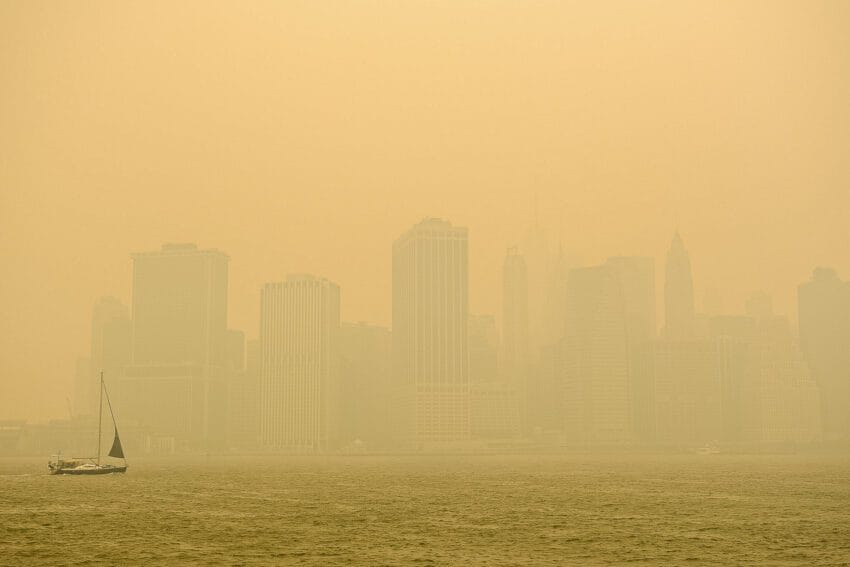
On June 7th, 2023, the iconic view of Manhattan from Brooklyn Bridge Park’s Pier 6 was obscured as smoke from wildfires enveloped New York City. This event serves as a stark reminder of how wildfire smoke has transformed into an air quality nightmare for urban centers far removed from the flames. Historically, cities like New York have been insulated from the direct effects of wildfires, but the changing climate is altering this landscape.
Wildfire smoke is not merely a seasonal nuisance; it is a chronic public health threat that undermines years of progress made in reducing industrial emissions and tailpipe pollution. As climate change continues to intensify, forests are becoming more susceptible to burning, leading to an increase in the frequency and intensity of wildfires. This shift poses serious risks not only to the environment but also to human health.
The Science Behind Wildfire Smoke
Wildfire smoke is a complex mixture of gases and fine particulate matter that can penetrate deep into the lungs. The primary components of this smoke include:
- Particulate Matter (PM): These tiny particles can cause respiratory issues, cardiovascular diseases, and even premature death.
- Volatile Organic Compounds (VOCs): These compounds can contribute to ground-level ozone formation, leading to further air quality deterioration.
- Carbon Monoxide: A colorless, odorless gas that can be harmful when inhaled in large quantities.
Research indicates that the health impacts of wildfire smoke are not limited to those living in close proximity to wildfires. The smoke can travel thousands of miles, affecting air quality in urban areas far from the source. This phenomenon has been observed in cities across the United States, where residents are increasingly exposed to smoke from wildfires occurring in states like California, Oregon, and Washington.
Health Implications
The health implications of prolonged exposure to wildfire smoke are severe. Studies have shown that individuals exposed to smoke are at a higher risk for a range of health issues, including:
- Respiratory Diseases: Conditions such as asthma and chronic obstructive pulmonary disease (COPD) can be exacerbated by smoke exposure.
- Cardiovascular Issues: The fine particulate matter in smoke can lead to heart attacks and strokes.
- Premature Deaths: Research suggests that tens of thousands of premature deaths could be attributed to wildfire smoke in the coming years.
Vulnerable populations, including children, the elderly, and individuals with pre-existing health conditions, are particularly at risk. The Centers for Disease Control and Prevention (CDC) has issued guidelines urging those in affected areas to limit outdoor activities during smoke events, but this is not always a feasible solution for everyone.
Climate Change and Its Role
Climate change is a significant driver of the increasing frequency and intensity of wildfires. Rising temperatures, prolonged droughts, and changing precipitation patterns create ideal conditions for wildfires to ignite and spread. According to a report from the Intergovernmental Panel on Climate Change (IPCC), the area burned by wildfires is expected to increase significantly in the coming decades, particularly in regions that are already prone to wildfires.
This trend is alarming, as it suggests that more communities will face the health risks associated with wildfire smoke. The implications extend beyond immediate health concerns; they also encompass economic and social factors. Increased healthcare costs, lost productivity, and diminished quality of life are just a few of the potential consequences.
Research Findings
Recent studies have provided compelling evidence regarding the health impacts of wildfire smoke. A pair of research papers published in prominent scientific journals detail the projected rise in premature deaths linked to smoke exposure. The findings indicate that:
- Wildfire smoke is expected to contribute to tens of thousands of premature deaths annually in the United States.
- Areas that have historically been less affected by wildfires are now experiencing significant smoke exposure.
- The health impacts are likely to be felt disproportionately among marginalized communities, exacerbating existing health disparities.
These studies underscore the urgent need for public health officials and policymakers to address the growing threat of wildfire smoke. As climate change continues to reshape our environment, proactive measures are essential to mitigate its effects on air quality and public health.
Stakeholder Reactions
The growing body of research has prompted reactions from various stakeholders, including public health officials, environmental advocates, and community leaders. Many are calling for immediate action to address the health risks associated with wildfire smoke. Key points of concern include:
- Public Health Infrastructure: There is a pressing need to strengthen public health systems to respond effectively to air quality crises.
- Community Awareness: Increased public awareness campaigns are necessary to educate communities about the risks of wildfire smoke and how to protect themselves.
- Policy Changes: Advocates are urging policymakers to implement stricter regulations on emissions and invest in wildfire prevention and mitigation strategies.
Local governments are also exploring ways to improve air quality monitoring and provide resources to vulnerable populations during smoke events. This includes establishing clean air shelters and distributing air purifiers to those in need.
Long-Term Solutions
Addressing the public health threat posed by wildfire smoke requires a multifaceted approach. Some potential long-term solutions include:
- Climate Action: Reducing greenhouse gas emissions is crucial to mitigating climate change and its impact on wildfire frequency and intensity.
- Forest Management: Implementing sustainable forest management practices can help reduce the risk of catastrophic wildfires.
- Investment in Research: Continued research into the health impacts of wildfire smoke and effective mitigation strategies is essential for informed decision-making.
By taking a proactive stance, communities can better prepare for the challenges posed by wildfire smoke and protect public health. The integration of science, policy, and community engagement will be vital in addressing this growing threat.
Conclusion
Wildfire smoke is an insidious and growing public health threat that demands immediate attention. As climate change continues to reshape our environment, the implications for air quality and human health are profound. With projections indicating tens of thousands of premature deaths linked to smoke exposure, it is imperative that stakeholders at all levels take action to mitigate this risk. By investing in public health infrastructure, raising community awareness, and implementing effective policies, we can work towards a future where the health impacts of wildfire smoke are minimized, and communities are better equipped to face this emerging challenge.
Source: Original report
Was this helpful?
Explore more: More General Technology Tech News Blog
Last Modified: September 18, 2025 at 8:39 pm
13 views