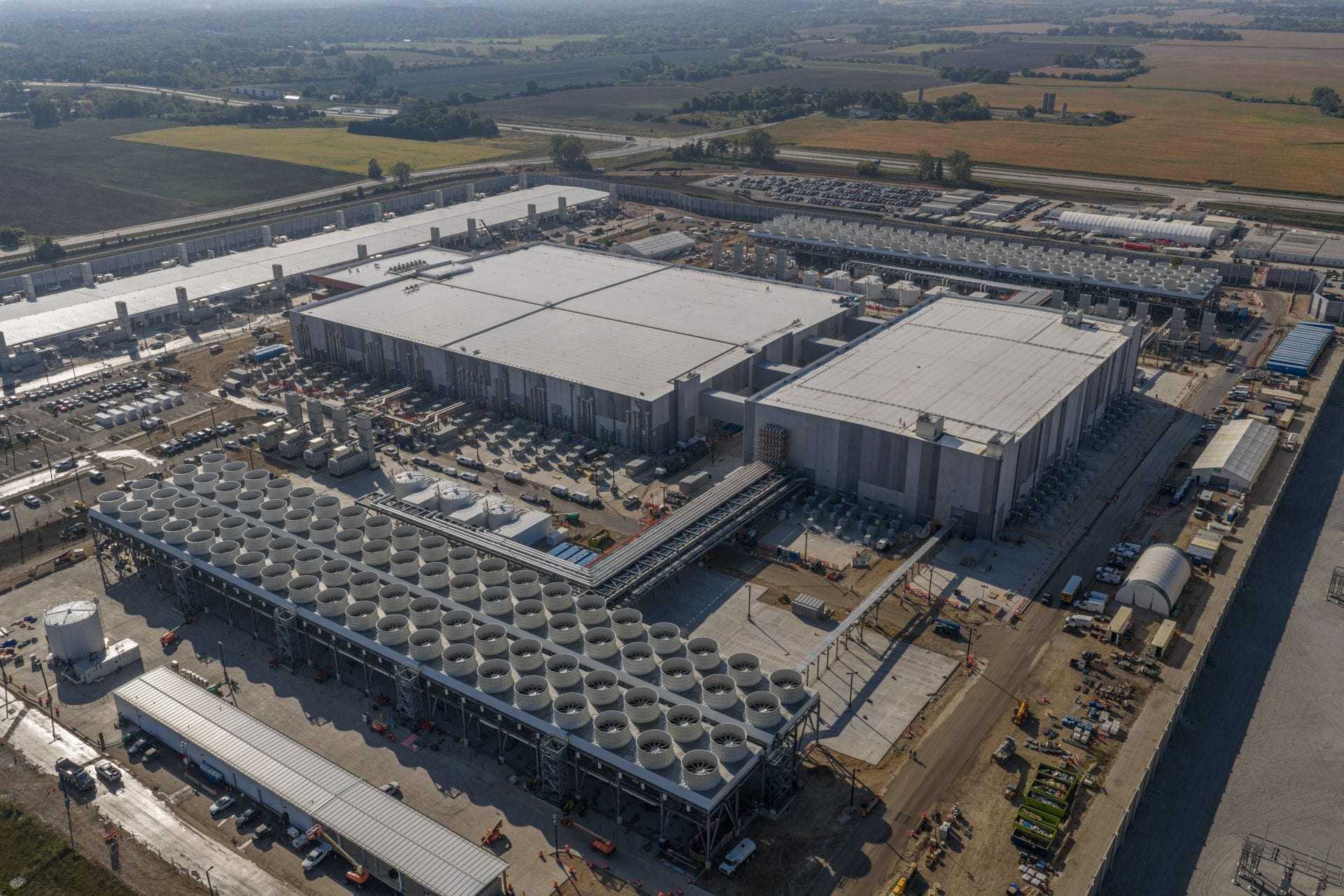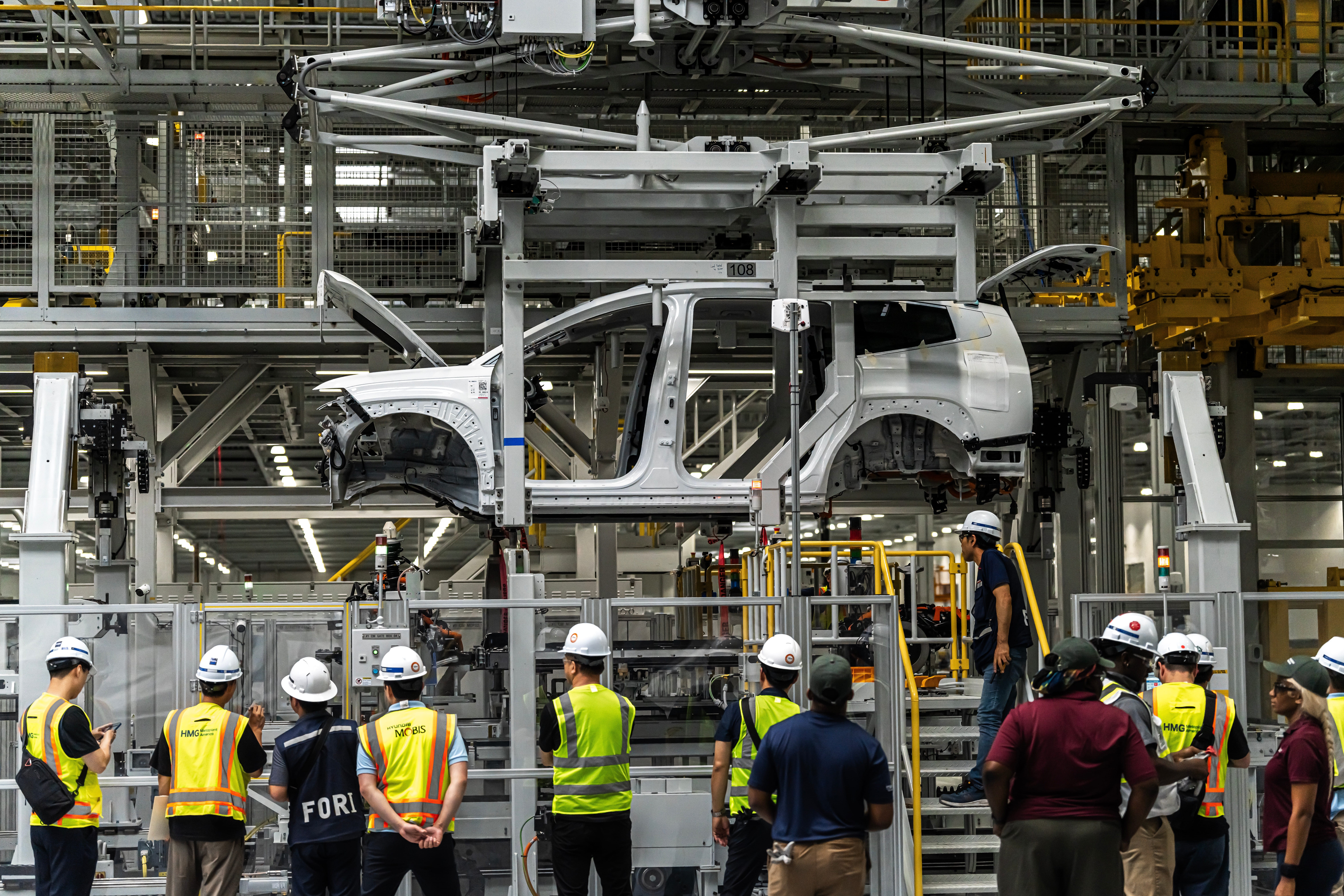
hyundai to invest 2 7 billion in Hyundai has announced a significant investment in its Georgia factory, which recently faced a major immigration enforcement action.
hyundai to invest 2 7 billion in
Hyundai’s $2.7 Billion Investment
Despite the recent U.S. Immigration and Customs Enforcement (ICE) raid that resulted in the detention of hundreds of workers at its Georgia facility, Hyundai is moving forward with a substantial investment plan. The automaker revealed it will allocate $2.7 billion to the electric vehicle (EV) battery factory where the raid occurred. This investment is part of a broader strategy to enhance its manufacturing capabilities in the United States, particularly in the EV sector.
Hyundai’s commitment to expanding its production capabilities comes at a time when the automotive industry is undergoing a significant transformation. The company plans to introduce a variety of new electrified models, including extended-range EVs and over a dozen hybrid vehicles by 2030. However, it will also diversify its lineup by launching a mid-sized gas-powered pickup truck specifically for the North American market, scheduled for release in 2030.
Investor Day Highlights
The announcements were made during Hyundai’s annual CEO Investor Day, held in New York City. This marked a notable shift for the automaker, as it was the first time the event took place outside of South Korea. The decision to host the event in the U.S. underscores Hyundai’s commitment to the North American market, despite the recent challenges it faces.
CEO’s Remarks on Worker Detentions
Hyundai CEO Jose Muñoz opened the event by addressing the recent ICE raid, which has had a profound impact on the company and its workforce. He expressed his heartfelt sympathies for the workers affected by the raid and emphasized the company’s dedication to job creation in the U.S. Muñoz stated, “I want to express our sincere sympathy for the workers from our facility. We understand the stress and hardship this has caused for them and their families.”
The ICE raid, which occurred on September 4th, involved agents descending on the EV battery plant operated jointly by Hyundai and LG Energy Solutions. Nearly 500 workers were detained, including around 300 individuals from South Korea. Reports from workers indicated that they were subjected to harsh treatment, including being handcuffed and chained together while being held in a detention center for several days. The incident has drawn international attention, with South Korean officials reportedly investigating the matter for potential human rights abuses.
The Metaplant’s Significance
The Georgia facility, often referred to as the Metaplant, has emerged as a focal point for Hyundai’s strategy to bolster its manufacturing presence in North America. Muñoz described the region as the “engine that fuels the company,” highlighting the importance of the Metaplant in Hyundai’s long-term plans. The new cash infusion of $2.7 billion will be distributed over three years and is intended to fund Phase Two of the plant’s construction.
Hyundai has set ambitious production goals for the Metaplant, aiming to manufacture 500,000 vehicles annually by 2028, with a strong emphasis on electric vehicles and hybrids. This expanded production capacity is expected to create approximately 3,000 direct and indirect jobs in Georgia, further solidifying the company’s commitment to the local economy.
Local Manufacturing Goals
By 2030, Hyundai anticipates that 80 percent of the vehicles it sells in the U.S. will be produced domestically. The company also aims to increase the local supply chain content from 60 percent to 80 percent. This shift is particularly significant in light of the previous administration’s efforts to encourage domestic manufacturing through the threat of tariffs. Hyundai’s strategy aligns with these pressures, as the company seeks to mitigate potential trade-related challenges.
Challenges in the U.S. EV Market
Despite the ambitious plans, Hyundai acknowledges that the growth of EV sales in the U.S. is likely to be slower compared to other regions, such as Europe and China. This is largely attributed to the elimination of EV incentives and subsidies under the current administration. Muñoz characterized the North American market as “hybrid-driven,” contrasting it with Europe and China, which he described as “EV driven.” This distinction highlights the varying consumer preferences and regulatory environments across different markets.
Global Sales Targets
On a global scale, Hyundai has set an ambitious target of selling 5.5 million vehicles annually by 2030, with 3.3 million of those expected to be electric. This represents an increase of 1.2 million vehicles in Hyundai’s global capacity each year. The company’s focus on electrification is part of a broader industry trend, as automakers worldwide strive to meet increasing consumer demand for sustainable transportation options.
Implications for the Automotive Industry
Hyundai’s investment in its Georgia factory and its commitment to expanding its electrified vehicle lineup come at a crucial time for the automotive industry. As governments around the world implement stricter emissions regulations and consumers increasingly prioritize sustainability, automakers are under pressure to adapt their strategies accordingly. Hyundai’s proactive approach to investing in EV production and local manufacturing positions it favorably in a rapidly evolving market.
The challenges posed by the recent ICE raid, however, serve as a reminder of the complexities surrounding labor and immigration issues in the U.S. automotive sector. The treatment of workers during the raid has raised serious concerns about human rights and labor practices, prompting scrutiny from both domestic and international observers. As Hyundai navigates these challenges, its ability to maintain a positive public image and foster a supportive work environment will be critical to its long-term success.
Stakeholder Reactions
Reactions to Hyundai’s announcements have been mixed. On one hand, the investment in the Georgia factory has been welcomed by local officials and economic development advocates who see it as a boon for job creation and economic growth in the region. The promise of new jobs and increased production capacity is likely to have a positive impact on the local economy.
On the other hand, labor advocates and human rights organizations have expressed concern over the treatment of workers during the ICE raid. The incident has sparked discussions about the need for comprehensive immigration reform and better protections for workers in the U.S. automotive industry. As Hyundai moves forward with its plans, it will need to address these concerns to ensure a sustainable and ethical approach to its operations.
Conclusion
Hyundai’s $2.7 billion investment in its Georgia factory reflects the company’s commitment to expanding its presence in the U.S. automotive market, particularly in the growing EV segment. While the recent ICE raid has cast a shadow over these developments, Hyundai’s leadership has made it clear that the company remains focused on its long-term goals. As the automotive landscape continues to evolve, Hyundai’s ability to navigate challenges and capitalize on opportunities will be crucial in shaping its future in the industry.
Source: Original report
Was this helpful?
Explore more: More Business & Startups Tech News Blog
Last Modified: September 18, 2025 at 8:38 pm
11 views