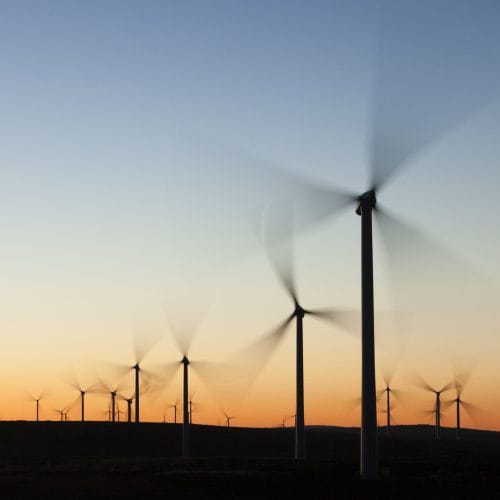
why wind farms attract so much misinformation and conspiracy theory: why wind farms attract so much misinformation: Recent comments from former President Donald Trump have underscored a growing trend of misinformation and conspiracy theories surrounding wind energy, particularly wind farms.
Why wind farms attract so much misinformation – The Rise of Misinformation in Renewable Energy
Context of the Claims
During a press conference aimed at discussing a European Union trade deal, Donald Trump labeled wind turbines a “con job,” claiming they pose threats to wildlife such as whales and birds. He also suggested that these structures could endanger human health. Such statements highlight a broader narrative that has emerged around renewable energy, particularly focusing on wind farms. This rhetoric is part of a growing skepticism that has found its way into public discourse, influencing opinions and policies regarding renewable energy sources.
Historical Perspective
The skepticism surrounding wind energy is not a new phenomenon; it echoes historical fears associated with technological advancements. For instance, during the 19th century, the advent of telephones was met with concerns about disease transmission. Similarly, apprehensions about wind farms stem from a complex interplay of distrust towards governmental authorities, nostalgia for the fossil fuel era, and a general resistance to the complexities introduced by new technologies. The historical context of technological skepticism provides a backdrop against which current fears about wind energy can be understood.
Underlying Factors Contributing to Misinformation
Psychological Underpinnings
Research has shown that once certain fears become ingrained in an individual’s worldview, they become resistant to change, even when confronted with factual evidence. This phenomenon is particularly evident in environmental issues, where misinformation can spread rapidly and embed itself in public consciousness. The psychological factors that contribute to this resistance make it challenging to counteract false narratives surrounding wind energy effectively.
Societal Impact
The dissemination of misinformation about wind farms has substantial implications for public policy and environmental initiatives. As conspiracy theories gain traction, they can sway public opinion, leading to increased opposition against renewable energy projects. This resistance often manifests in local communities, where proposed wind farms face legal challenges and public protests. The societal ramifications of this misinformation complicate efforts to transition to cleaner energy sources and achieve climate goals.
Case Studies of Misinformation
Local Resistance to Wind Farms
Across various regions, local communities have mobilized against proposed wind farm projects, often fueled by misinformation. Claims suggesting that wind turbines cause health issues or decrease property values have been prevalent in public discussions. While scientific studies largely debunk these assertions, they resonate with individuals who may already harbor skepticism toward renewable energy. This local resistance illustrates the tangible impacts of misinformation on community dynamics and renewable energy initiatives.
Political Exploitation
Politicians and public figures have also leveraged these fears to galvanize support for their agendas. Misinformation often becomes a tool for political gain, as seen in Trump’s rhetoric. By framing wind energy as a threat, political figures can appeal to constituents who feel threatened by change or have economic ties to traditional energy sectors. This exploitation of fear complicates the landscape for renewable energy development and highlights the intersection of politics and public perception.
Challenges in Addressing Misinformation
Fact-Checking Limitations
One of the most significant challenges in combating misinformation is the limitations of fact-checking. Studies indicate that merely presenting factual information is often inadequate to change deeply held beliefs. This is especially true in the context of conspiracy theories, where individuals may dismiss credible sources as biased or untrustworthy. The effectiveness of fact-checking efforts is further diminished when misinformation has already taken root in public discourse.
The Role of Social Media
Social media platforms play a crucial role in the dissemination of misinformation. The algorithms employed by these platforms frequently prioritize sensational content, amplifying conspiracy theories and misinformation about wind farms. This creates an environment where false narratives can spread rapidly, often outpacing the availability of corrective information. The role of social media in shaping public perceptions of renewable energy highlights the need for targeted strategies to combat misinformation in digital spaces.
Efforts to Counter Misinformation
Educational Initiatives
In response to the spread of misinformation, various organizations and advocacy groups are working to promote education about renewable energy. These initiatives aim to provide accurate information about the benefits and challenges of wind energy while addressing common misconceptions directly. Educational efforts are crucial for fostering a more informed public and counteracting false narratives that hinder progress in renewable energy development.
Community Engagement
Engaging local communities in dialogue about wind energy can also help mitigate misinformation. By fostering discussions that address concerns and provide factual information, stakeholders can work towards building trust and understanding. This approach not only helps dispel myths about wind farms and their impact on health and the environment but also encourages community buy-in for renewable energy projects. Community engagement is a vital component in addressing misinformation and promoting the acceptance of renewable energy initiatives.
The Future of Wind Energy and Misinformation
Policy Implications
The persistence of misinformation presents a significant challenge for policymakers aiming to transition to renewable energy sources. As public opposition grows, implementing policies that support the development of wind farms becomes increasingly difficult. This resistance can slow progress toward meeting climate goals and transitioning away from fossil fuels, emphasizing the need for comprehensive strategies to counter misinformation effectively.
Long-term Solutions
Addressing the misinformation surrounding wind energy requires a multifaceted approach. This includes not only providing accurate information but also understanding the emotional and psychological factors that contribute to resistance against renewable energy. By tackling these underlying issues, stakeholders can work towards creating a more informed public and facilitating the acceptance of renewable energy projects. Long-term solutions will necessitate collaboration among various sectors, including education, policy, and community engagement.
Conclusion
The recent comments made by Donald Trump regarding wind turbines exemplify a larger issue: the prevalence of misinformation surrounding renewable energy. As society grapples with the transition to cleaner energy sources, addressing these misconceptions directly is crucial. Educational initiatives, community engagement, and a commitment to transparent communication will be essential in countering the narratives that hinder progress in renewable energy development. The path forward requires a concerted effort to inform the public and build a consensus around the benefits of renewable energy, particularly in light of the challenges posed by misinformation.
Source: Original reporting
Was this helpful?
Explore more: More General Technology Tech News Blog
Last Modified: August 27, 2025 at 1:49 am
8 views