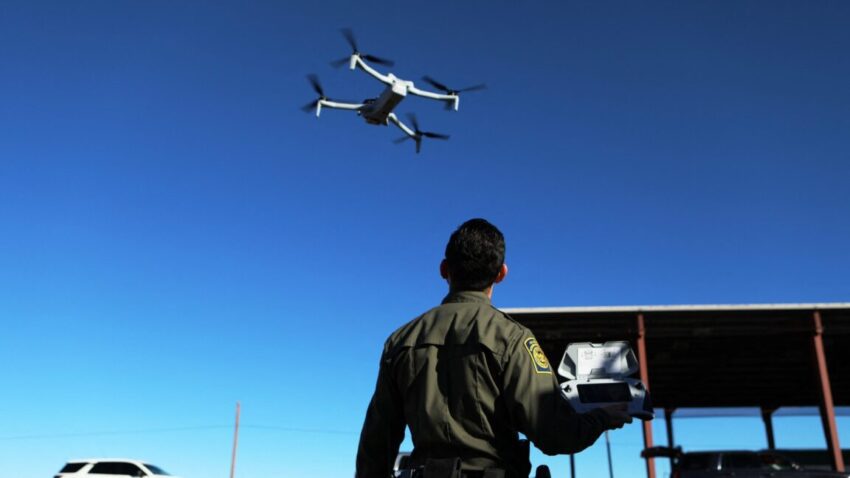
whoops us military laser strike takes down The U.S. military inadvertently shot down a Customs and Border Protection (CBP) drone near the Mexican border using a high-energy laser-based anti-drone system, raising questions about operational protocols and inter-agency communication.
whoops us military laser strike takes down
Incident Overview
On a day that remains somewhat unclear, the U.S. military utilized a laser system to take down a CBP drone, which is typically employed to monitor illegal crossings along the U.S.-Mexico border. This incident highlights the complexities and potential hazards of using advanced military technology in civilian contexts, especially in areas where multiple agencies operate simultaneously.
Details of the Strike
According to reports from congressional aides cited by Reuters, the military’s action was prompted by the presence of drones in the area, which are frequently used by drug cartels for surveillance and smuggling operations. The high-energy laser system is designed to neutralize threats posed by drones, but in this case, it mistakenly targeted a drone operated by CBP, a federal agency responsible for border security.
The Federal Aviation Administration (FAA) responded to the incident by closing certain airspace along the border in Fort Hancock, Texas. This temporary flight restriction was announced on Thursday, with the FAA citing special security reasons. The restrictions are set to remain in place until June 24, although there is a possibility they could be lifted earlier depending on the situation.
Timeline of Events
The exact timeline of the incident has been a subject of confusion. While The New York Times reported that the strike occurred on Thursday, Bloomberg indicated that the FAA was notified of the event on Wednesday, suggesting that there may have been a delay in communication regarding the incident.
Operational Context
The U.S.-Mexico border has become a hotspot for drone activity, not only from law enforcement agencies but also from criminal organizations. Drones have been increasingly used by drug cartels for various purposes, including surveillance of border patrol activities and the transportation of illicit goods. This has led to heightened vigilance from U.S. authorities, who have deployed advanced technologies to counter these threats.
In recent years, the U.S. military has developed and implemented various anti-drone systems, including high-energy lasers, to address the growing concern over unauthorized drone flights. These systems are designed to disable or destroy drones that pose a threat to national security or public safety. However, the incident involving the CBP drone raises critical questions about the effectiveness and safety of such technologies when used in proximity to civilian operations.
Implications of the Incident
The accidental downing of the CBP drone has several implications for both the military and CBP. First and foremost, it underscores the need for improved communication and coordination between different federal agencies operating in border regions. Effective inter-agency communication is crucial to ensure that military assets are not mistakenly deployed against friendly or civilian targets.
Potential Policy Changes
In light of this incident, there may be calls for policy changes regarding the use of military technology in civilian contexts. Lawmakers and officials may advocate for stricter protocols governing the deployment of anti-drone systems, particularly in areas where civilian drones are actively used for legitimate purposes. This could involve enhanced training for military personnel on recognizing different types of drones and understanding their operational contexts.
Furthermore, there may be a push for clearer guidelines on how and when military assets can be used to engage drones, especially in sensitive areas like the border. This could include establishing a more robust framework for assessing threats and determining the appropriate response, thereby minimizing the risk of collateral damage.
Stakeholder Reactions
Reactions to the incident have varied among stakeholders. Congressional aides have expressed concern over the implications of the strike, emphasizing the need for accountability and transparency in military operations. Lawmakers may seek to investigate the circumstances surrounding the incident to ensure that such mistakes do not happen in the future.
Public and Expert Opinions
Public opinion on the use of military technology for border security is also divided. Some argue that advanced systems like high-energy lasers are necessary to combat the increasing threats posed by drug cartels and other criminal organizations. Others, however, raise concerns about the potential for misuse and the risks associated with deploying military technology in civilian environments.
Experts in drone technology and military operations have weighed in on the incident, noting that while anti-drone systems can be effective, they must be used judiciously. The potential for misidentification and collateral damage is a significant concern, particularly in areas where multiple agencies operate. Experts advocate for a balanced approach that incorporates both advanced technology and human oversight to ensure safety and effectiveness.
Conclusion
The accidental downing of a CBP drone by a U.S. military laser strike near the Mexican border serves as a stark reminder of the complexities involved in modern border security operations. As agencies like CBP and the military continue to adapt to the evolving landscape of drone technology, it is imperative that they prioritize communication, coordination, and safety to prevent similar incidents in the future. The implications of this event may lead to significant policy discussions and changes in how military assets are utilized in civilian contexts, particularly in sensitive border areas.
Source: Original report
Was this helpful?
Explore more: More Hardware & Devices Tech News Blog
Last Modified: February 28, 2026 at 2:37 am
13 views