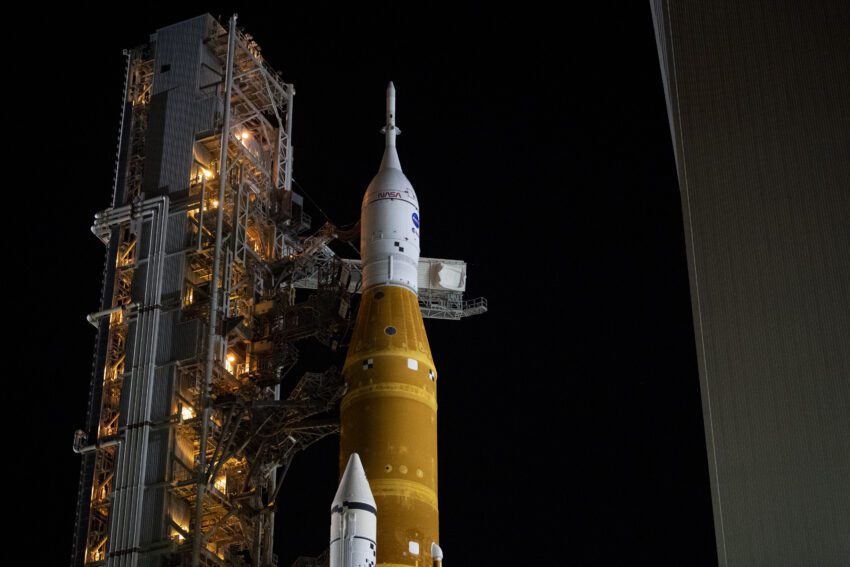
nasa is pushing back its plans for NASA has announced a significant delay in its plans for a Moon landing, pushing the timeline for its Artemis IV mission to 2028.
nasa is pushing back its plans for
Overview of the Delay
During a press conference held on Friday, NASA officials confirmed that the Artemis III mission, which was initially set for a Moon landing in 2027, will now serve as a test flight instead. This decision marks a pivotal shift in the agency’s lunar exploration strategy, which has been under scrutiny for its ambitious timelines and complex logistics.
The delay is part of a broader strategy to enhance the safety and reliability of future missions. NASA has stated that it is “increasing its cadence of missions,” which includes the introduction of a second test flight in 2027. The agency aims to achieve “at least one surface landing every year thereafter,” culminating in the Artemis IV landing in 2028.
Implications of the Delay
This delay has several implications for NASA’s lunar exploration program and the broader goals of returning humans to the Moon. The Artemis program, which aims to land “the first woman and the next man” on the lunar surface, has faced numerous challenges since its inception. The postponement of the Artemis III mission raises questions about the feasibility of the entire program and its long-term objectives.
Safety Concerns
The decision to delay the Moon landing follows a report from NASA’s Aerospace Safety Advisory Panel (ASAP) earlier this month. The report highlighted serious safety risks associated with the Artemis missions, particularly concerning the Space Launch System (SLS) rocket and the Orion spacecraft. The ASAP emphasized the need for thorough testing and validation before proceeding with crewed missions.
NASA’s commitment to safety is commendable, but the delay may also lead to increased costs and further complications in the already complex logistics of space exploration. The agency must balance the urgency of its goals with the necessity of ensuring the safety of its astronauts and the success of its missions.
Public and Stakeholder Reactions
The announcement has elicited a range of reactions from stakeholders, including industry experts, space enthusiasts, and the general public. Many have expressed disappointment over the delay, viewing it as a setback for the ambitious goals of the Artemis program. However, others have praised NASA for prioritizing safety and thorough testing over rushing to meet deadlines.
Industry experts have pointed out that delays are not uncommon in large-scale aerospace projects. The complexities involved in developing new technologies, conducting rigorous testing, and ensuring safety can often lead to extended timelines. While the delay may be frustrating, it is essential for the long-term success of the program.
Future Missions and Goals
Despite the setback, NASA remains committed to its lunar exploration goals. The agency’s revised schedule includes plans for multiple missions leading up to the Artemis IV landing. The second test flight planned for 2027 will provide critical data and insights that can inform future missions.
Artemis III: A Test Flight
While Artemis III will no longer serve as a crewed Moon landing, it will still play a crucial role in the Artemis program. The test flight will focus on validating key technologies and systems necessary for future lunar missions. This includes testing the SLS rocket’s capabilities, the Orion spacecraft’s performance, and the lunar lander’s systems.
NASA has indicated that the Artemis III mission will involve uncrewed flights that simulate landing scenarios, allowing engineers to identify and address any potential issues before sending astronauts to the Moon. This approach aligns with the agency’s commitment to safety and reliability.
Artemis IV: The Return to the Moon
The Artemis IV mission, now scheduled for 2028, is poised to be a landmark event in NASA’s lunar exploration efforts. This mission aims to land astronauts on the Moon’s surface, marking the first time humans will set foot on the lunar body since the Apollo program ended in the early 1970s.
The Artemis IV mission will not only focus on landing astronauts but also on conducting scientific research and exploration on the lunar surface. NASA has emphasized the importance of utilizing the Moon as a stepping stone for future Mars missions, making the success of Artemis IV critical for the agency’s long-term goals.
Technological Advancements
The Artemis program has spurred significant advancements in space technology, including the development of the SLS rocket and the Orion spacecraft. These technologies are designed to support not only lunar missions but also future missions to Mars and beyond.
Space Launch System (SLS)
The SLS is NASA’s most powerful rocket to date, designed to carry astronauts and cargo beyond low Earth orbit. The rocket’s development has faced numerous delays and budget overruns, but it is now nearing readiness for its first uncrewed test flight. The SLS will play a crucial role in the Artemis missions, providing the necessary lift capability to transport astronauts to the Moon.
Orion Spacecraft
The Orion spacecraft is designed to carry astronauts on deep-space missions. It features advanced life support systems, navigation capabilities, and safety features to ensure the well-being of crew members during their journey. The spacecraft’s performance during the Artemis III test flight will be critical in validating its readiness for crewed missions.
International Collaboration
The Artemis program is not solely a NASA initiative; it involves collaboration with international partners, including space agencies from Europe, Canada, and Japan. This collaboration is essential for sharing expertise, resources, and technology to achieve the ambitious goals of lunar exploration.
Gateway Lunar Outpost
One of the key components of the Artemis program is the planned Gateway lunar outpost. This outpost will serve as a staging point for lunar missions, providing a platform for astronauts to transfer between the Orion spacecraft and lunar landers. The Gateway will also facilitate international collaboration by hosting contributions from various space agencies.
Global Interest in Lunar Exploration
The delay in NASA’s Moon landing plans comes at a time when global interest in lunar exploration is surging. Several countries, including China, India, and Russia, are actively pursuing their lunar missions. This heightened competition underscores the importance of NASA’s Artemis program in maintaining U.S. leadership in space exploration.
Conclusion
NASA’s decision to delay its Moon landing plans until 2028 reflects a commitment to safety and thorough testing. While the postponement of the Artemis III mission is disappointing for many, it underscores the complexities of space exploration and the need for meticulous planning. The revised schedule aims to enhance the reliability of future missions, ultimately paving the way for a successful return to the Moon and beyond.
As NASA navigates these challenges, the agency remains focused on its long-term goals of lunar exploration and human missions to Mars. The Artemis program continues to evolve, and the upcoming missions will play a critical role in shaping the future of space exploration.
Source: Original report
Was this helpful?
Explore more: More General Technology Tech News Blog
Last Modified: February 28, 2026 at 6:37 am
15 views