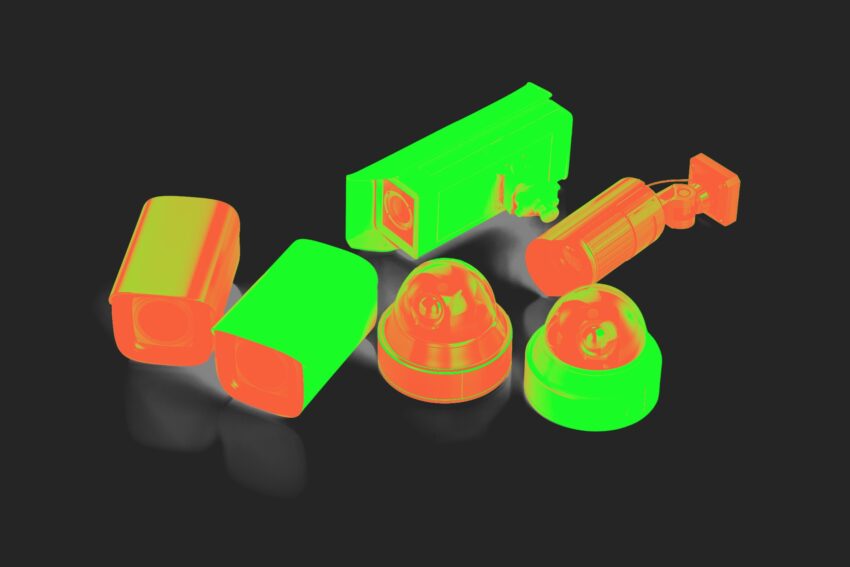
while you re watching the world cup As the World Cup approaches, heightened surveillance measures are being implemented across the United States, raising concerns about privacy for both attendees and local residents.
while you re watching the world cup
America250: A Milestone Year
2026 marks a significant milestone for the United States, as it celebrates its semiquincentennial, or America250. This year is particularly notable as the country is cohosting the FIFA World Cup, a global sporting event that draws millions of fans from around the world. The excitement surrounding the tournament is palpable, but it comes with an increased focus on security and surveillance in the cities that will host the matches.
The Cities in Focus
The World Cup will take place in several major U.S. cities, including Kansas City, New York, Los Angeles, and Miami. Each of these cities has ramped up its surveillance capabilities in the months leading up to the tournament. This includes the deployment of advanced technologies such as drones, facial recognition cameras, and other monitoring systems designed to ensure the safety of attendees and residents alike.
Surveillance Measures in Detail
- Drones: Reports indicate that approximately 250 surveillance drones will be deployed across various host cities. These drones are equipped with high-definition cameras capable of capturing real-time footage of large crowds, allowing law enforcement agencies to monitor events from above.
- Facial Recognition Technology: Many cities are integrating facial recognition systems into their surveillance infrastructure. This technology can identify individuals in real-time, raising concerns about privacy and the potential for misuse.
- Increased Police Presence: Alongside technological enhancements, there will be a significant increase in police presence at World Cup events. Officers will be stationed at key locations to ensure public safety and respond to any incidents that may arise.
Implications for Privacy
The implementation of these surveillance measures has sparked a debate about the balance between security and privacy. While proponents argue that increased surveillance is necessary to prevent potential threats, critics raise concerns about the erosion of civil liberties. The use of drones and facial recognition technology, in particular, has been met with skepticism from privacy advocates.
Public Sentiment
Public opinion on surveillance measures is mixed. Some individuals express support for increased security, especially in light of recent events that have raised concerns about public safety. Others, however, feel uneasy about being constantly monitored, particularly in spaces that are meant to be celebratory and communal.
Legal and Ethical Considerations
The legal framework surrounding surveillance in the United States is complex. While law enforcement agencies have broad authority to monitor public spaces, the use of advanced technologies like facial recognition raises ethical questions. Critics argue that these systems can lead to racial profiling and discrimination, disproportionately affecting marginalized communities.
Stakeholder Reactions
Various stakeholders have voiced their opinions on the increased surveillance during the World Cup. Local governments, law enforcement agencies, and civil rights organizations each have distinct perspectives on the issue.
Local Governments and Law Enforcement
Local governments and law enforcement agencies generally support the enhanced surveillance measures, viewing them as essential for maintaining public safety during large events. Officials argue that the ability to monitor crowds in real-time can help prevent incidents and respond more effectively to emergencies.
Civil Rights Organizations
Conversely, civil rights organizations have expressed strong opposition to the expanded surveillance. Groups such as the American Civil Liberties Union (ACLU) have raised alarms about the potential for abuse and the infringement of individual rights. They advocate for transparency in surveillance practices and call for regulations to protect citizens from unwarranted monitoring.
Technological Advancements in Surveillance
The technologies being deployed for surveillance during the World Cup are not new, but their application in public spaces has evolved significantly. Drones, for example, have become more accessible and affordable, allowing law enforcement to utilize them in ways that were previously impractical.
Drone Technology
Modern drones are equipped with sophisticated imaging technology, enabling them to capture high-resolution video and images from various altitudes. This capability allows law enforcement to monitor large crowds effectively, providing a bird’s-eye view of events. However, the use of drones also raises questions about accountability and oversight, particularly regarding how footage is stored and used.
Facial Recognition Systems
Facial recognition technology has advanced rapidly in recent years, with algorithms becoming increasingly accurate. While this technology can aid in identifying potential threats, it also poses significant risks to privacy. Concerns about false positives and the potential for misuse have led some cities to reconsider their use of facial recognition in public spaces.
Looking Ahead: The Future of Surveillance
The heightened surveillance during the World Cup may set a precedent for future events in the United States. As cities continue to adopt advanced technologies, the implications for privacy and civil liberties will remain a critical topic of discussion.
Potential Policy Changes
In light of public concerns, there may be calls for policy changes regarding surveillance practices. Advocates for privacy rights are likely to push for legislation that limits the use of facial recognition technology and establishes clear guidelines for drone surveillance. Such measures could help ensure that security efforts do not come at the expense of individual freedoms.
International Perspectives
The United States is not alone in grappling with the balance between security and privacy. Other countries hosting major events have faced similar challenges. For instance, the 2021 Tokyo Olympics implemented extensive surveillance measures, including facial recognition technology, to ensure safety during the pandemic. Observing how these international events handle surveillance may provide valuable insights for U.S. policymakers.
Conclusion
As the World Cup approaches, the increased surveillance measures being implemented in host cities raise important questions about privacy, security, and civil liberties. While the need for public safety is undeniable, the methods employed to achieve it must be carefully scrutinized. The ongoing debate surrounding these issues will likely shape the future of surveillance in the United States and beyond.
Source: Original report
Was this helpful?
Explore more: More Big Tech & Platforms Tech News Blog
Last Modified: July 3, 2026 at 10:36 pm
18 views