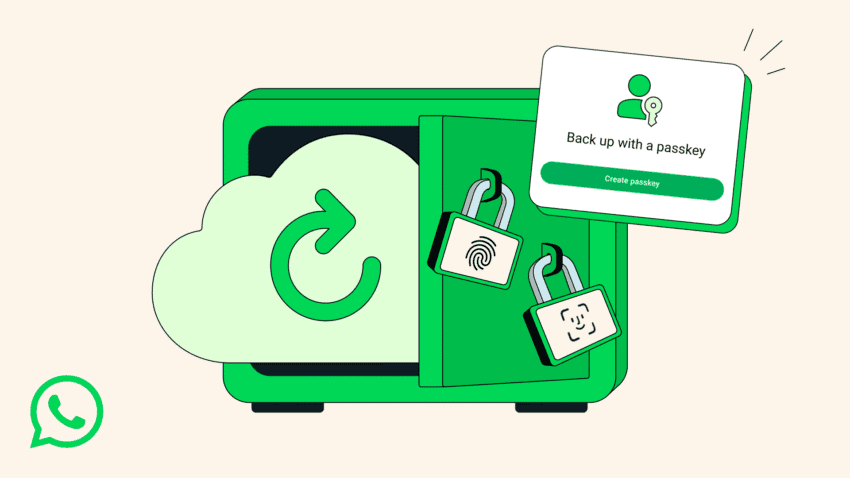
whatsapp can now use passkeys to secure WhatsApp is enhancing its security features by introducing passkey-encrypted backups for its users.
whatsapp can now use passkeys to secure
Introduction to Passkey Backup Encryption
WhatsApp, one of the world’s leading messaging platforms, is rolling out a significant update that allows users to secure their chat backups using passkeys. This innovative feature is designed for both iOS and Android users, enabling them to encrypt their stored message history effortlessly. By leveraging biometric authentication methods such as facial recognition, fingerprint scanning, or device screen lock codes, users can now protect their valuable conversations with ease.
Background on WhatsApp’s Encryption Features
End-to-end encryption has been a cornerstone of WhatsApp’s security model since its introduction in 2016. This technology ensures that only the sender and recipient can read the messages exchanged on the platform. However, while end-to-end encryption protects messages during transmission, the security of chat backups has been a concern for many users. In 2021, WhatsApp addressed this issue by introducing end-to-end encryption for backups, but the process was not user-friendly. Users were required to either save a complex 64-digit encryption key or create a password linked to that key, a step that many found cumbersome and prone to error.
The Shift to Passkeys
The introduction of passkey-encrypted backups marks a significant shift in how WhatsApp approaches user security. Passkeys are a modern authentication method that replaces traditional passwords with more secure and user-friendly alternatives. Instead of relying on a password that can be forgotten or stolen, passkeys utilize biometric data or device-specific authentication methods, making it easier for users to secure their accounts and data.
What Are Passkeys?
Passkeys are a form of passwordless authentication that leverages the biometric capabilities of modern devices. This technology allows users to access their accounts or secure their data simply by using their face, fingerprint, or a device lock code. The advantages of passkeys include:
- Enhanced Security: Passkeys are less vulnerable to phishing attacks and other forms of cyber threats compared to traditional passwords.
- User Convenience: Users no longer need to remember complex passwords, reducing the cognitive load associated with account security.
- Seamless Integration: Passkeys can be easily integrated into existing device security features, making them accessible to a wide range of users.
Implications of Passkey Backup Encryption
The rollout of passkey-encrypted backups is not just a technical upgrade; it represents a broader trend in the tech industry towards eliminating passwords altogether. As cyber threats continue to evolve, the need for more secure authentication methods has never been more pressing. By adopting passkeys, WhatsApp is positioning itself at the forefront of this movement, potentially influencing other platforms to follow suit.
Impact on User Experience
For WhatsApp users, the introduction of passkey backup encryption means a more streamlined and secure experience. The ability to quickly encrypt backups without the need for complex passwords or lengthy keys simplifies the process of securing personal data. This is particularly important for users who may not be tech-savvy or who find traditional security measures daunting.
WhatsApp’s announcement highlights the emotional aspect of messaging, stating, “Many of us carry years of precious memories in our WhatsApp chats – photos, heartfelt voice notes, and important conversations. That’s why protecting them if you ever lose your phone or need to transfer to a new device is so important.” This sentiment resonates with users who understand the value of their digital memories and the need for robust security measures to protect them.
Gradual Rollout and Future Developments
WhatsApp has indicated that the passkey backup encryption feature will be rolled out gradually over the coming weeks and months. This phased approach allows the company to monitor user feedback and make necessary adjustments before a full-scale launch. As more users gain access to this feature, it will be interesting to observe how it impacts user behavior and overall platform security.
Furthermore, WhatsApp’s commitment to enhancing security features aligns with a growing trend among tech companies to prioritize user privacy and data protection. As concerns about data breaches and privacy violations continue to rise, companies that invest in robust security measures are likely to gain a competitive advantage in the marketplace.
Stakeholder Reactions
The introduction of passkey backup encryption has garnered attention from various stakeholders, including cybersecurity experts, privacy advocates, and users themselves. Many experts have praised WhatsApp’s move as a step in the right direction, emphasizing the importance of adopting modern security practices to protect user data.
Cybersecurity Experts
Cybersecurity professionals have long advocated for the adoption of passwordless authentication methods, citing the vulnerabilities associated with traditional passwords. Experts argue that passkeys represent a significant advancement in securing personal data, as they mitigate risks associated with password theft and phishing attacks. The introduction of passkey backup encryption by WhatsApp is seen as a validation of these principles, encouraging other platforms to consider similar upgrades.
Privacy Advocates
Privacy advocates have also responded positively to the news, highlighting the importance of user control over personal data. By allowing users to secure their backups with passkeys, WhatsApp is empowering individuals to take charge of their digital security. This aligns with the broader movement towards user-centric privacy practices, where individuals have greater agency over how their data is protected and shared.
User Feedback
Initial user feedback has been largely favorable, with many expressing relief at the elimination of complex password requirements. Users appreciate the convenience of using biometric authentication methods, which not only enhance security but also simplify the process of accessing their backups. However, some users have raised concerns about the reliance on biometric data, questioning the implications for privacy and data security.
Conclusion
WhatsApp’s introduction of passkey-encrypted backups marks a significant advancement in the platform’s commitment to user security and privacy. By embracing passwordless authentication methods, WhatsApp is not only enhancing the user experience but also setting a precedent for other tech companies to follow. As the rollout progresses, it will be essential for WhatsApp to address user concerns and continue refining its security features to ensure that users feel confident in the protection of their valuable data.
Source: Original report
Was this helpful?
Explore more: Application Audit & Review More Cybersecurity Tech News
Last Modified: October 30, 2025 at 6:38 pm
8 views