what happened to custom roms video The custom ROM scene for Android has seen a dramatic evolution over the past 15 years, transitioning from a vibrant community-driven ecosystem to a more subdued landscape.
what happened to custom roms video
The Rise of Custom ROMs
In the mid-2000s, Android was still in its infancy, and the open-source nature of the platform attracted a dedicated community of developers and enthusiasts. Custom ROMs, which are modified versions of the Android operating system, began to emerge as a way for users to enhance their devices with new features, improved performance, and personalized interfaces. Popular projects like CyanogenMod, AOKP, and Paranoid Android became household names among tech-savvy users.
The Golden Age
During this golden age, custom ROMs were characterized by:
- Frequent Updates: Developers released nightly builds, allowing users to experience the latest features and fixes almost in real-time.
- Community Engagement: Forums and social media platforms buzzed with discussions, troubleshooting, and feature requests, fostering a sense of community.
- Diverse Options: Users could choose from a variety of ROMs tailored to their specific needs, whether they sought performance boosts, aesthetic changes, or additional functionalities.
This era not only empowered users to take control of their devices but also encouraged manufacturers to pay attention to user feedback, leading to improvements in stock Android experiences.
The Shift in the Landscape
However, as Android matured, the landscape began to shift. Several factors contributed to the decline of the custom ROM scene.
Increased Manufacturer Support
One of the most significant changes was the improvement in manufacturer support for Android devices. Companies like Google, Samsung, and OnePlus began to offer regular updates and feature enhancements directly to their devices. This shift reduced the necessity for users to seek out custom ROMs, as many of the desired features were being integrated into official releases.
Legal and Security Concerns
As the custom ROM community grew, so did scrutiny from manufacturers and regulatory bodies. Legal concerns regarding intellectual property, software licensing, and security vulnerabilities became more pronounced. Manufacturers began to take a harder stance against the distribution of custom ROMs, often issuing cease-and-desist orders to developers and communities.
Complexity of Modern Devices
Modern smartphones have become increasingly complex, with advanced hardware and software integrations that make it more challenging for developers to create stable custom ROMs. The introduction of features like biometric security, advanced camera systems, and proprietary hardware components has made it difficult for custom ROM developers to keep up. This complexity often leads to bugs and performance issues, discouraging users from trying custom ROMs.
The Current State of Custom ROMs
Today, the custom ROM scene is a shadow of its former self. While there are still dedicated developers and projects, the frequency of updates and the variety of options have significantly diminished.
Active Projects
Despite the decline, several projects continue to thrive:
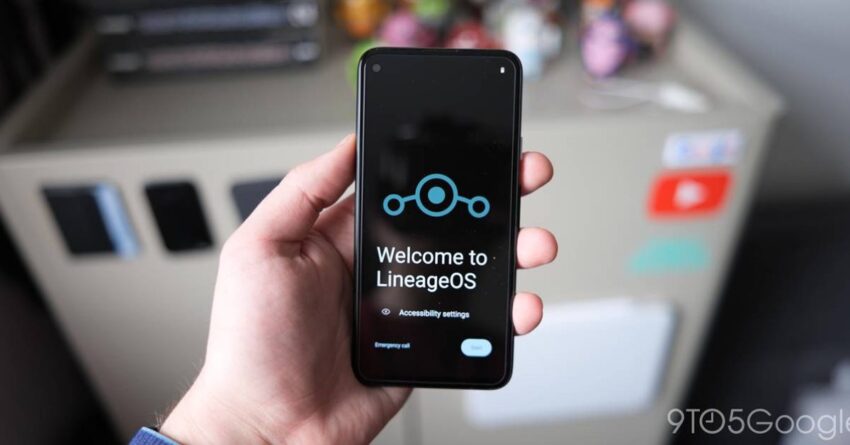
- LineageOS: The successor to CyanogenMod, LineageOS remains one of the most popular custom ROMs, offering a clean Android experience with regular updates.
- Pixel Experience: This ROM aims to bring the Google Pixel experience to a wider range of devices, focusing on simplicity and stability.
- Havoc OS: Known for its extensive customization options, Havoc OS caters to users who want a feature-rich experience.
These projects have managed to maintain a loyal user base, but the overall community engagement has decreased compared to earlier years.
Challenges Faced by Developers
Developers today face numerous challenges that hinder the growth of the custom ROM scene:
- Time and Resources: Many developers are now balancing full-time jobs with their passion for ROM development, leading to slower update cycles.
- Device Fragmentation: The sheer number of Android devices on the market makes it difficult for developers to support all models, resulting in a focus on only the most popular devices.
- Community Support: As interest wanes, fewer users are willing to contribute to development or provide feedback, making it harder for developers to improve their ROMs.
Implications for the Future
The decline of custom ROMs raises several questions about the future of Android customization and user empowerment. As manufacturers continue to enhance their stock experiences, the need for custom ROMs may diminish further. However, there are potential avenues for revitalization.
Emerging Technologies
With the advent of technologies like 5G, artificial intelligence, and machine learning, there may be new opportunities for custom ROM developers to innovate. For instance, ROMs that optimize device performance based on user habits or integrate AI-driven features could attract interest from users seeking cutting-edge experiences.
Community Revitalization
Efforts to revitalize the community could also play a crucial role in the future of custom ROMs. Initiatives that encourage collaboration among developers, such as hackathons or online forums, could foster innovation and engagement. Additionally, educational resources aimed at new developers could help lower the barrier to entry, encouraging more individuals to contribute to the scene.
Stakeholder Reactions
The decline of custom ROMs has elicited mixed reactions from various stakeholders in the tech community.
Developers
Many developers express nostalgia for the golden age of custom ROMs, lamenting the loss of community engagement and the challenges posed by modern devices. Some remain optimistic, believing that with the right support and resources, the scene could see a resurgence.
Manufacturers
Manufacturers have largely welcomed the decline of custom ROMs, as it allows them to maintain greater control over their software ecosystems. However, some recognize the value of user feedback from the custom ROM community, which can inform future updates and features.
Users
For users, the decline of custom ROMs presents a mixed bag. While many appreciate the improvements in stock Android experiences, others miss the freedom and customization options that custom ROMs provided. This divide highlights the ongoing tension between user empowerment and manufacturer control.
Conclusion
The custom ROM scene has undergone significant changes over the past 15 years, evolving from a thriving community to a more subdued landscape. While challenges abound, there remains potential for revitalization through emerging technologies, community engagement, and innovative development practices. The future of custom ROMs may depend on the ability of developers and users to adapt to the changing landscape of Android.
Source: Original report
Was this helpful?
Explore more: Mobile App Development More Mobile Technology Tech News
Last Modified: January 23, 2026 at 7:55 am
27 views