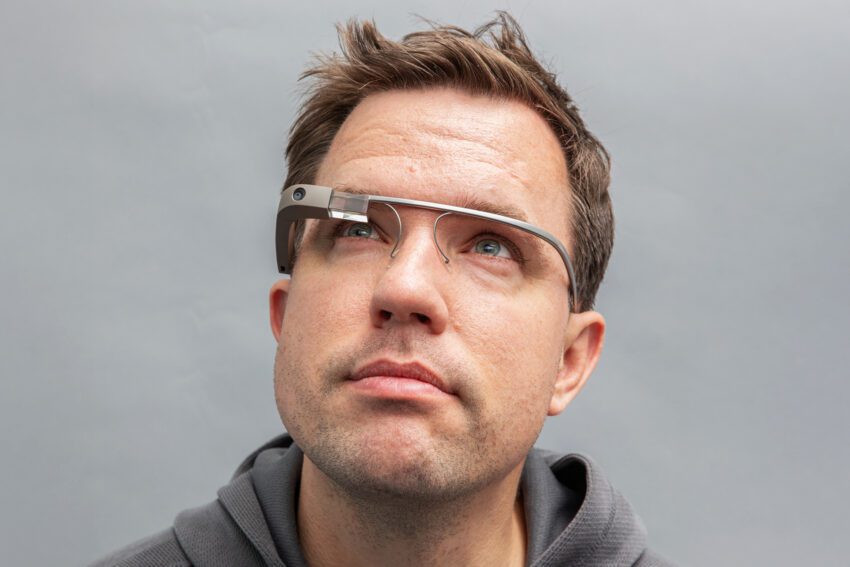
what google glass got right – and Google Glass has sparked a significant conversation about the future of wearable technology, revealing both the potential and pitfalls of integrating computing into our daily lives.
what google glass got right – and
The Genesis of Google Glass
Launched in 2013, Google Glass was not the first attempt at creating smart glasses; however, it was the first to capture widespread attention and imagination. Developed by Google X, the company’s innovation lab, Glass aimed to revolutionize how users interacted with technology. The device featured a small display mounted on a pair of eyeglasses, allowing users to access information, take photos, and communicate hands-free.
The vision behind Google Glass was ambitious. It sought to eliminate the need for traditional screens, enabling users to engage with digital content in a more immersive and intuitive way. This concept resonated with many, as it promised a future where technology seamlessly integrated into everyday life. However, the reality of Google Glass was far more complex.
Initial Hype and Public Reception
Upon its release, Google Glass generated significant buzz. Tech enthusiasts and early adopters were excited about the possibilities that the device offered. The initial marketing campaign positioned Glass as a cutting-edge gadget for the tech-savvy, featuring a range of applications from navigation to social media sharing. However, the excitement was short-lived.
Privacy Concerns
One of the most significant issues that arose with Google Glass was the concern over privacy. The device’s built-in camera allowed users to record videos and take photos discreetly, raising alarms among the public. Many people felt uncomfortable with the idea of being recorded without their consent, leading to a backlash against Glass wearers, who were often referred to as “Glassholes.” This term highlighted the social stigma associated with the device and underscored the tension between technological advancement and personal privacy.
Social Acceptance
As the term “Glassholes” gained traction, it became clear that social acceptance was a major hurdle for Google Glass. The device was often met with skepticism and disdain in public spaces. Some establishments, including bars and movie theaters, banned the device outright, citing concerns over privacy and etiquette. This backlash illustrated a broader societal unease with the idea of wearable technology that could potentially infringe on personal boundaries.
Technological Limitations
In addition to social challenges, Google Glass faced significant technological limitations. While the device was innovative, it was not without its flaws. The battery life was often criticized, as it struggled to last a full day under regular use. Moreover, the limited functionality of the software and the lack of compelling applications hindered its appeal. Users found that, despite its futuristic design, the practical uses of Google Glass were limited, leading to frustration among early adopters.
Market Positioning
Google initially marketed Glass as a consumer product, targeting tech enthusiasts and early adopters. However, the device’s high price point—around $1,500—made it inaccessible for many potential users. This misalignment between the target audience and the product’s pricing further contributed to its lackluster sales. In hindsight, it became clear that Google had underestimated the importance of market positioning and consumer readiness for such an innovative product.
Lessons Learned from Google Glass
Despite its shortcomings, Google Glass provided valuable lessons for the tech industry. The device’s journey highlighted the importance of understanding user needs and societal implications when developing new technology. As companies continue to explore the realm of wearables, the lessons learned from Google Glass remain relevant.
Emphasizing User Experience
One of the key takeaways from the Google Glass experience is the necessity of prioritizing user experience. While the technology was groundbreaking, it failed to resonate with users due to its lack of practical applications and social acceptance. Future iterations of wearable technology must focus on creating a seamless and intuitive user experience that addresses real-world needs.
Addressing Privacy Concerns
Privacy concerns will continue to be a significant factor in the adoption of wearable technology. As seen with Google Glass, the potential for misuse of technology can lead to public backlash. Companies must proactively address these concerns by implementing robust privacy features and fostering transparent communication with users. Building trust with consumers is essential for the successful integration of wearable technology into daily life.
The Future of Smart Glasses
In the years following the release of Google Glass, the landscape of wearable technology has evolved significantly. Several companies have attempted to build upon the lessons learned from Glass, developing their own versions of smart glasses. These new iterations aim to address the shortcomings of the original device while capitalizing on its innovative spirit.
Current Market Trends
Today, smart glasses are being developed with a focus on augmented reality (AR) and virtual reality (VR). Companies like Microsoft with its HoloLens and Facebook (now Meta) with its Ray-Ban Stories are exploring new ways to integrate technology into our daily lives. These devices are designed not only for personal use but also for professional applications, such as training and remote collaboration.
Consumer Acceptance
Consumer acceptance of smart glasses is gradually improving as technology becomes more integrated into everyday life. The rise of smartphones and wearable devices has familiarized users with the concept of technology being worn on the body. However, the lessons learned from Google Glass continue to shape the development of new products. Companies are now more attuned to the importance of social acceptance and user experience in their designs.
Conclusion: A Dual Legacy
Google Glass’s legacy is a complex one, embodying both the promise of innovation and the challenges of societal acceptance. While it failed to achieve commercial success, it opened the door for future advancements in wearable technology. The device made people dream about a future where technology could enhance their lives without the constraints of traditional screens. At the same time, it served as a cautionary tale about the potential pitfalls of integrating technology into our daily routines.
As the tech industry continues to explore the possibilities of smart glasses and other wearables, the lessons learned from Google Glass will undoubtedly inform future developments. The balance between innovation, user experience, and societal implications will be crucial in shaping the next generation of wearable technology.
Source: Original report
Was this helpful?
Explore more: More Consumer Technology Tech News Blog
Last Modified: December 8, 2025 at 3:40 am
18 views