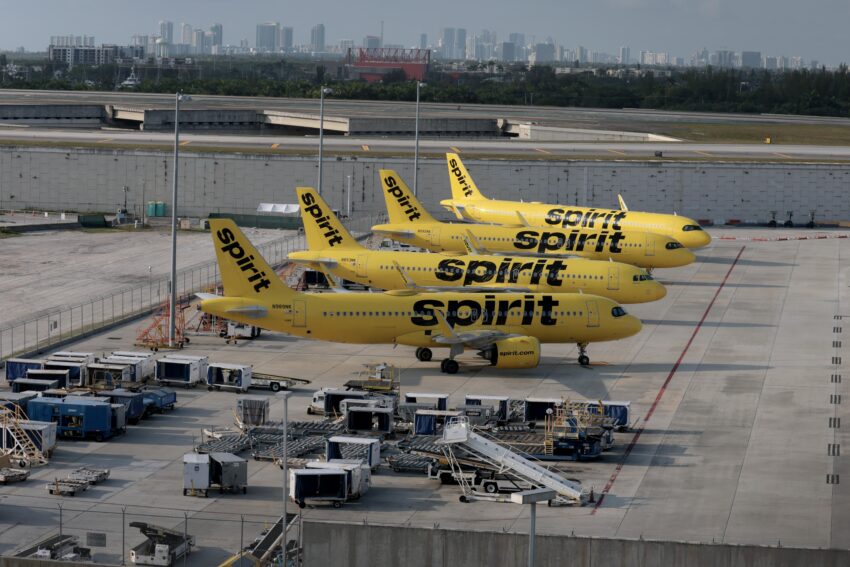
spirit airlines shuts down after trump s Spirit Airlines has officially ceased operations, marking the end of its 34-year journey in the aviation industry, largely attributed to the significant rise in jet fuel prices following geopolitical tensions.
spirit airlines shuts down after trump s
Overview of Spirit Airlines’ Shutdown
At 3 AM ET on Saturday, Spirit Airlines canceled all flights and shut down its operations, a move that stunned both passengers and industry observers. The ultra-low-cost carrier, known for its budget-friendly fares, has now redirected its website to spiritrestructuring.com. This new site provides instructions for customers, advising them not to go to airports. Air traffic control records captured the final moments of Spirit’s operations, with controllers and pilots exchanging sign-offs as the last flights landed.
Reasons Behind the Shutdown
Impact of Rising Jet Fuel Prices
The primary catalyst for Spirit Airlines’ abrupt closure is the dramatic increase in jet fuel prices, which have doubled in recent months. This surge can be traced back to geopolitical events, particularly the ongoing tensions in the Middle East, which have led to instability in oil markets. The airline industry is particularly sensitive to fuel costs, and for low-cost carriers like Spirit, which operate on thin margins, such increases can be devastating.
In addition to rising fuel prices, the airline faced challenges related to operational costs and competition. As fuel prices soared, Spirit struggled to maintain its low-cost model while also ensuring profitability. The combination of these factors ultimately made it unsustainable for the airline to continue operations.
Market Conditions and Competitive Landscape
Spirit Airlines was not the only carrier affected by rising fuel prices; however, its business model made it particularly vulnerable. The ultra-low-cost carrier segment relies heavily on volume and low fares to attract customers. As operational costs increased, Spirit’s ability to offer competitive pricing diminished, leading to a decline in passenger numbers.
Moreover, the competitive landscape in the airline industry has become increasingly challenging. Major airlines have been consolidating, and low-cost carriers have been forced to adapt to a rapidly changing market. Spirit’s inability to pivot effectively in response to these changes contributed to its downfall.
Customer Impact and Refund Process
Immediate Effects on Passengers
The sudden shutdown left many passengers stranded or without travel options. Spirit Airlines had a loyal customer base that relied on its low fares for both leisure and business travel. With the cancellation of all flights, travelers found themselves scrambling to make alternative arrangements, often at significantly higher prices from other airlines.
In a statement on its website, Spirit Airlines addressed the situation, assuring customers that refunds for tickets purchased directly would be processed. Passengers who paid with credit or debit cards were promised refunds, although the timeline for these reimbursements remains unclear. The airline’s sudden closure has raised concerns about the efficiency of the refund process, as many customers are likely to seek immediate answers regarding their funds.
Long-Term Implications for Travelers
The shutdown of Spirit Airlines has broader implications for the travel industry. As one of the major players in the ultra-low-cost segment, its exit could lead to reduced competition in the market. This may result in higher fares for consumers, particularly in routes where Spirit was a dominant player. Additionally, the loss of Spirit Airlines could lead to fewer options for budget-conscious travelers, forcing them to rely on other carriers that may not offer the same level of affordability.
Stakeholder Reactions
Industry Experts
Industry experts have expressed concern over the implications of Spirit Airlines’ shutdown. Many analysts believe that the airline’s closure is indicative of broader issues within the aviation sector, particularly regarding the sustainability of low-cost carriers in an environment of rising operational costs. The situation has prompted discussions about the future of budget airlines and whether their business models can withstand external pressures.
Regulatory Bodies
Regulatory bodies have also taken notice of the shutdown. The Federal Aviation Administration (FAA) and other aviation authorities may need to assess the impact of Spirit’s exit on air traffic and airport operations. The closure could lead to a shift in flight schedules and routes, necessitating adjustments from other airlines and airports to accommodate the change in capacity.
Historical Context of Spirit Airlines
Founded in 1980, Spirit Airlines began as a small charter airline before transitioning to a low-cost carrier model in the 1990s. Over the years, it expanded its route network and became known for its no-frills approach to air travel. The airline’s business model focused on offering low base fares while charging for additional services, such as seat selection and baggage. This strategy allowed Spirit to attract a diverse customer base, from budget travelers to families seeking affordable vacation options.
Despite its growth, Spirit Airlines faced numerous challenges throughout its history, including labor disputes, customer service complaints, and fluctuating fuel prices. The airline’s ability to adapt to changing market conditions has been a topic of discussion among industry analysts for years. The recent shutdown serves as a culmination of these ongoing challenges, highlighting the vulnerabilities of the low-cost carrier model in a volatile economic landscape.
Future of the Airline Industry
Potential for Consolidation
The closure of Spirit Airlines may signal a trend toward further consolidation in the airline industry. As low-cost carriers struggle to maintain profitability, larger airlines may seek to acquire or merge with smaller competitors to enhance their market presence. This could lead to a reduction in choices for consumers and potentially higher fares in the long run.
Shift in Consumer Preferences
As the airline industry evolves, consumer preferences are also changing. Travelers are increasingly prioritizing flexibility and reliability over the lowest fare. This shift may lead to a resurgence of traditional carriers that offer more comprehensive services, including better customer support and amenities. Airlines that can adapt to these changing preferences may find opportunities for growth, even in a challenging economic environment.
Conclusion
The shutdown of Spirit Airlines marks a significant moment in the airline industry, particularly for the ultra-low-cost segment. As the company ceases operations, the implications for passengers, stakeholders, and the broader market are profound. The rise in jet fuel prices, coupled with intense competition and operational challenges, ultimately led to the airline’s downfall. The future of air travel may be reshaped as the industry grapples with these changes, and consumers will need to navigate a landscape that may offer fewer options and higher prices in the wake of Spirit’s exit.
Source: Original report
Was this helpful?
Explore more: More Business & Startups Tech News Blog
Last Modified: May 2, 2026 at 11:39 pm
19 views