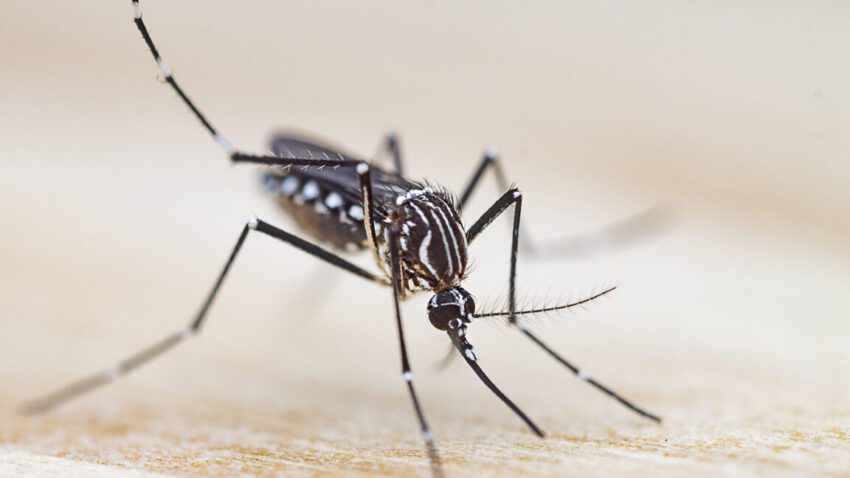
welcome to necroprinting -3d printer nozzle made A groundbreaking development in the field of necrobotics has led to the creation of a 3D printer nozzle made from the proboscis of a mosquito, showcasing the innovative potential of combining biology with technology.
welcome to necroprinting -3d printer nozzle made
Understanding Necrobotics
Necrobotics is an emerging field that merges engineering with biological materials, often utilizing parts from deceased animals to create functional robotic systems. This interdisciplinary approach has yielded fascinating results, including micro-grippers made from the legs of dead spiders and walking robots inspired by the anatomy of deceased cockroaches. The concept challenges traditional notions of robotics by integrating organic components, which can offer unique advantages in terms of functionality and precision.
Innovative Applications
The applications of necrobotics are varied and innovative. By leveraging the natural capabilities of animal parts, researchers can create devices that perform tasks with a level of efficiency that synthetic materials alone may not achieve. For example, the micro-grippers developed from spider legs can manipulate objects at a microscopic scale, making them invaluable for tasks in fields such as medicine and materials science.
Changhong Cao, a mechanical engineering professor at McGill University in Montreal, Canada, has been at the forefront of this research. His team sought to push the boundaries of necrobotics by not just creating a robot but by adapting a biological component for a specific technological purpose. This led them to explore the potential of a mosquito’s proboscis as a nozzle for 3D printing.
The Journey to Necroprinting
Cao’s team embarked on a comprehensive investigation to identify the most suitable natural micro-dispensing tips for their 3D necroprinting system. The researchers examined various biological structures, including:
- The stingers of bees, wasps, and scorpions
- The fangs of venomous snakes
- The claws of centipedes
Each of these structures has evolved to deliver fluids to a target, which is conceptually similar to the function of a 3D printer’s nozzle. However, the team encountered several challenges with these biological components. Cao noted, “Some were too curved for high-precision 3D printing. Also, they were optimized for delivering pulses of venom, not for a steady, continuous flow, which is what you need for printing.”
The Mosquito’s Proboscis
Ultimately, the team settled on the proboscis of a female mosquito, a decision that proved to be both innovative and effective. The mosquito’s proboscis is naturally designed for precise fluid delivery, allowing it to extract blood from its hosts. This inherent capability made it an ideal candidate for adaptation into a 3D printer nozzle.
The researchers meticulously prepared the proboscis for integration into their 3D printing system. The adaptation process involved ensuring that the nozzle could maintain a consistent flow of material, which is crucial for achieving the desired precision in 3D printing applications. The results were promising, as the mosquito proboscis demonstrated a remarkable ability to dispense materials with high accuracy.
Implications of Necroprinting
The implications of this research extend beyond the novelty of using a biological component in 3D printing. The successful adaptation of the mosquito proboscis opens up new avenues for the development of advanced printing techniques. Traditional 3D printing methods often face limitations in terms of precision and material compatibility. By utilizing biological structures, researchers may be able to overcome some of these challenges.
Potential Benefits
Some potential benefits of necroprinting include:
- Enhanced Precision: The natural design of the mosquito proboscis allows for finer control over material flow, which could lead to more detailed and intricate 3D printed objects.
- Biocompatibility: Using biological materials may enable the printing of structures that are more compatible with living tissues, which is particularly relevant in medical applications.
- Resource Efficiency: The use of animal parts that would otherwise go to waste could contribute to more sustainable manufacturing practices.
Challenges and Ethical Considerations
Despite the promising outcomes, the integration of biological components into technology raises several challenges and ethical considerations. The use of animal parts necessitates a careful approach to ensure that the practices involved are ethical and sustainable. Researchers must consider the sourcing of these materials and the potential impact on animal populations.
Regulatory Hurdles
Furthermore, the regulatory landscape surrounding the use of biological materials in technology is still evolving. As necrobotics and necroprinting gain traction, it will be essential for researchers and developers to navigate these regulations effectively. This includes ensuring compliance with health and safety standards, particularly when the technology is applied in medical contexts.
Stakeholder Reactions
The scientific community has responded with intrigue to the developments in necrobotics and necroprinting. Many researchers see the potential for significant advancements in various fields, including medicine, materials science, and robotics. However, there are also voices of caution that emphasize the need for responsible research practices.
Academic Perspectives
Academics in related fields have expressed excitement about the innovative approach taken by Cao’s team. The blending of biology and technology is seen as a frontier that could lead to breakthroughs in how we understand and utilize natural systems. “This research could redefine our approach to 3D printing and open up new possibilities for bioprinting,” commented a colleague from a leading university.
Public Perception
Public perception of necrobotics and necroprinting may vary. Some individuals may find the concept of using animal parts in technology unsettling, while others may appreciate the potential benefits. Education and transparency will be crucial in addressing concerns and fostering a broader understanding of the implications of this research.
The Future of Necroprinting
As the field of necrobotics continues to evolve, the future of necroprinting appears promising. Researchers are likely to explore additional biological components that could enhance 3D printing capabilities. The integration of living cells into printing processes could also be a potential area of exploration, leading to advancements in regenerative medicine and tissue engineering.
Collaborative Efforts
Collaboration between engineers, biologists, and ethicists will be essential in navigating the complexities of this field. By working together, stakeholders can ensure that the development of necrobotics and necroprinting is conducted responsibly and ethically, maximizing the benefits while minimizing potential risks.
Conclusion
The adaptation of a mosquito’s proboscis into a 3D printer nozzle represents a significant milestone in the field of necrobotics. This innovative approach not only showcases the potential of combining biological materials with technology but also raises important questions about ethics, sustainability, and the future of manufacturing. As researchers continue to explore the possibilities of necroprinting, the implications for various industries could be profound, paving the way for new technologies that enhance precision and efficiency in 3D printing.
Source: Original report
Was this helpful?
Explore more: More Hardware & Devices Tech News Blog
Last Modified: December 4, 2025 at 10:36 pm
22 views