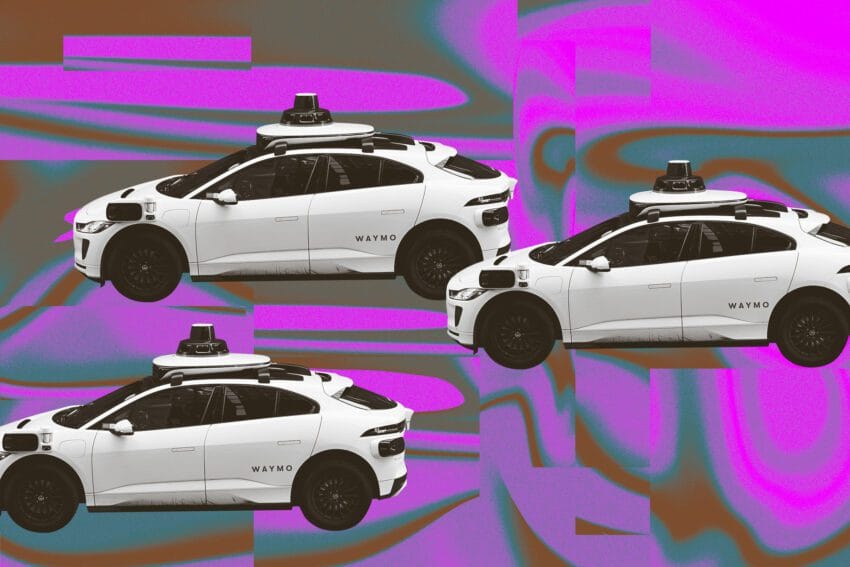
waymo to launch a robotaxi service in Waymo is set to introduce its robotaxi service in Nashville, Tennessee, in 2026, marking a significant expansion of its autonomous vehicle operations.
waymo to launch a robotaxi service in
Waymo’s Expansion into Nashville
Waymo, a subsidiary of Alphabet Inc., has announced plans to launch its robotaxi service in Nashville, also known as Music City, USA, by 2026. This initiative represents a notable step in the company’s ongoing efforts to expand its autonomous vehicle services across the United States. The Nashville launch will allow customers to hail rides through the Waymo One app initially, with plans to integrate the service into the Lyft app at a later stage.
Operational Details
As part of this partnership, Lyft will take on several operational responsibilities, including fleet management services such as cleaning, maintenance, and electric vehicle (EV) charging. This collaboration aims to streamline the deployment and management of Waymo’s robotaxi fleet in Nashville, ensuring that the vehicles remain in optimal condition for passenger use.
Waymo’s entry into Nashville is not entirely sudden; the company has been actively gathering data in the city since earlier this year. As part of its annual “road trip,” Waymo operates its vehicles manually in various cities to collect data on diverse weather conditions and regional driving habits. This data collection is crucial for refining the algorithms that power its autonomous driving technology. Waymo plans to transition to autonomous testing later this year, setting the stage for the commercial launch in 2026.
The Significance of the Lyft Partnership
The collaboration with Lyft adds an interesting dimension to Waymo’s expansion strategy. The two companies previously partnered in Phoenix in 2019, allowing Lyft customers to hail rides in Waymo vehicles for a limited time. However, Waymo later shifted its focus to Uber as its preferred ride-hailing platform in cities like Austin and Atlanta. The renewed partnership with Lyft indicates that the latter remains a viable option for future collaborations.
Lyft’s Role in Fleet Management
Lyft will utilize its Flexdrive system to manage Waymo’s robotaxis in Nashville. This system provides comprehensive fleet management capabilities, including vehicle maintenance, infrastructure management, and depot operations. Lyft’s expertise in managing ride-hailing fleets will be instrumental in ensuring the smooth operation of Waymo’s autonomous vehicles in the city.
Additionally, Lyft plans to establish a fleet management facility in Nashville specifically for Waymo’s robotaxis. This facility will include essential services such as EV charging, which is increasingly important as the automotive industry shifts towards electric vehicles. This partnership not only enhances Waymo’s operational capabilities but also aligns with broader trends in sustainable transportation.
Broader Implications for Autonomous Vehicle Technology
The announcement of Waymo’s robotaxi service in Nashville is part of a larger trend in the transportation sector, where autonomous vehicle technology is gaining traction. As cities across the United States explore the potential of self-driving cars, Waymo’s expansion serves as a case study for how such services can be integrated into urban environments.
Market Dynamics and Competition
Waymo’s entry into Nashville also highlights the competitive landscape of the autonomous vehicle market. Companies like Cruise, owned by General Motors, and Tesla are also making strides in this space. Each company has its unique approach to autonomous driving, with varying degrees of success and regulatory hurdles. The competition is not just about technology but also about partnerships and market positioning.
For instance, Cruise has been testing its autonomous vehicles in San Francisco and has plans for expansion. Similarly, Tesla’s Full Self-Driving (FSD) beta program is continuously evolving, with the company aiming to achieve full autonomy in the near future. Waymo’s collaboration with Lyft could give it an edge in operational efficiency, especially as the demand for ride-hailing services continues to grow.
Future Plans and Expansion Strategy
In addition to Nashville, Waymo has ambitious plans for launching commercial operations in several other major cities, including Washington, D.C., Miami, Denver, Seattle, Dallas, and New York City. Each of these markets presents unique challenges and opportunities for autonomous vehicle deployment.
City-Specific Challenges
Each city on Waymo’s expansion list has its own regulatory landscape and driving conditions that will impact the deployment of its robotaxi service. For example, Washington, D.C., has a complex urban environment with heavy traffic and a mix of public transportation options. Miami’s tropical climate poses different challenges, particularly concerning weather-related disruptions. Similarly, cities like Seattle and Denver have varying topographies that could affect vehicle performance.
Waymo’s strategy of conducting extensive data collection and testing in these cities before launching services is a prudent approach. By understanding local driving behaviors and environmental conditions, Waymo can better tailor its technology to meet the specific needs of each market.
Stakeholder Reactions
The announcement has garnered mixed reactions from various stakeholders, including city officials, transportation advocates, and the general public. Some city officials have expressed enthusiasm about the potential for reduced traffic congestion and improved mobility options. Autonomous vehicles could provide a solution to some of the transportation challenges faced by urban areas, particularly in terms of accessibility for those who may not have access to traditional transportation options.
However, there are also concerns regarding safety, job displacement, and the implications of increased reliance on technology for transportation. Critics argue that the rollout of autonomous vehicles could lead to job losses in the driving sector, particularly for those working in ride-hailing services. Additionally, questions about the safety of autonomous vehicles remain a significant concern, especially in light of past incidents involving self-driving cars.
Public Perception and Acceptance
Public perception of autonomous vehicles is another critical factor that will influence the success of Waymo’s robotaxi service. While some consumers are excited about the prospect of self-driving cars, others remain skeptical. Surveys indicate that many people are still hesitant to trust autonomous technology, particularly when it comes to safety and reliability.
Waymo’s strategy of conducting extensive testing and data collection is aimed at addressing these concerns. By demonstrating the safety and reliability of its technology in real-world conditions, Waymo hopes to build public trust and acceptance of its robotaxi service.
Conclusion
Waymo’s announcement of a robotaxi service in Nashville in 2026 marks a significant milestone in the company’s expansion strategy and the broader evolution of autonomous vehicle technology. The partnership with Lyft for fleet management adds a layer of operational efficiency that could enhance the service’s viability. As Waymo prepares to launch in Nashville and other major cities, the implications for urban transportation, market dynamics, and public perception will continue to unfold.
As the autonomous vehicle landscape evolves, Waymo’s approach will serve as a critical case study for other companies and cities looking to integrate self-driving technology into their transportation systems. The coming years will be pivotal in determining how well these technologies can coexist with traditional forms of transportation and how they can contribute to more sustainable urban mobility solutions.
Source: Original report
Was this helpful?
Explore more: AI Automation Services More AI & Automation Tech News
Last Modified: September 17, 2025 at 6:41 pm
8 views