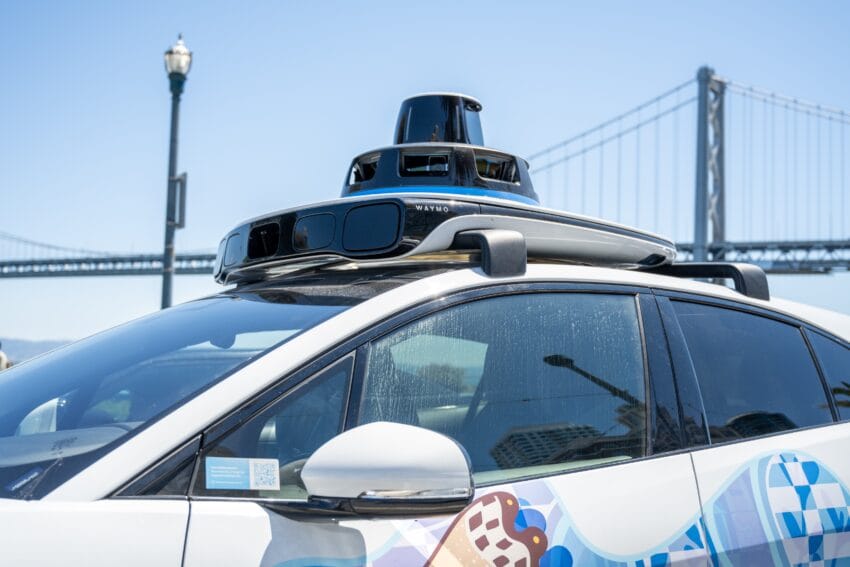
waymo gets green light for airport service Waymo has received authorization to test its robotaxi service at San Francisco International Airport (SFO), marking a significant milestone for the company as it aims to broaden its operational footprint and tap into lucrative transportation hubs.
waymo gets green light for airport service
Overview of the Permit
Waymo, a subsidiary of Alphabet Inc., has been granted a “Testing and Operations Pilot Permit” by the San Francisco International Airport. This development was confirmed by San Francisco Mayor Daniel Lurie in an official statement. The permit allows Waymo to initiate a phased rollout of its autonomous vehicle service at one of the busiest airports in the United States.
Phased Rollout Plan
The implementation of Waymo’s service at SFO will occur in three distinct phases:
- Testing with a Human Driver: Initially, Waymo will deploy vehicles equipped with human drivers to ensure that the technology can navigate the complexities of airport operations.
- Testing Without a Driver: Following successful trials with human oversight, Waymo will transition to fully autonomous vehicles, testing their capabilities in real-world conditions without a driver present.
- Commercial Service Launch: Upon successful completion of the previous phases, Waymo plans to launch its commercial robotaxi service, allowing the general public to utilize the service for airport trips.
Initial Operations
During the initial testing phase, Waymo will focus on its employees as the first users of the service. This approach allows the company to gather valuable data and insights while minimizing risks associated with public trials. The designated pickup and drop-off location for these tests will be at SFO’s Kiss & Fly lot, which is conveniently connected to the airport terminals via the AirTrain system.
Significance of the Airport Market
Airports represent a critical opportunity for ride-hailing services, particularly for autonomous vehicle companies like Waymo. According to industry estimates, airport trips account for approximately 20 percent of all ride-hailing journeys. This statistic underscores the potential revenue that could be generated from providing transportation services at such high-traffic locations.
Waymo’s entry into the airport market is not just about expanding its service area; it is also a strategic move to compete with established players like Uber and Lyft. These companies have long dominated the ride-hailing landscape, particularly in urban and airport settings. By securing access to SFO, Waymo positions itself to capture a share of this lucrative market, which is essential for its long-term profitability.
Challenges and Considerations
Despite the promising outlook, Waymo faces several challenges as it prepares to launch its robotaxi service at SFO. The airport environment is notoriously chaotic, with a constant influx of vehicles, taxis, shuttles, and passengers. Ensuring that its autonomous vehicles can navigate this complexity safely and efficiently will be paramount.
Regulatory Hurdles
Waymo has been engaged in negotiations with SFO for several years, primarily to address regulatory concerns regarding the safety and reliability of its vehicles in such a dynamic environment. The company has had to demonstrate that its technology can handle the unpredictable nature of airport traffic, which includes a mix of personal vehicles, commercial shuttles, and public transportation options.
Regulatory bodies are particularly cautious when it comes to autonomous vehicles, and Waymo’s ability to meet these stringent requirements will be crucial for its success. The company has invested heavily in research and development to ensure that its vehicles are equipped with advanced sensors, machine learning algorithms, and safety protocols to navigate complex environments.
Public Perception and Acceptance
Another significant challenge for Waymo will be public acceptance of its robotaxi service. While autonomous vehicle technology has made significant strides in recent years, many consumers remain skeptical about the safety and reliability of self-driving cars. Waymo will need to engage in effective public relations campaigns to build trust and confidence among potential users.
To facilitate this, the company may consider offering promotional rides or partnerships with local businesses to encourage trial usage. Demonstrating the safety and convenience of its service will be essential in overcoming public apprehension and fostering a positive perception of autonomous vehicles.
Waymo’s Current Operations
As of now, Waymo operates in five cities across the United States, but it has only been providing service at one airport: Phoenix’s Sky Harbor International Airport. This limited airport presence highlights the importance of the SFO permit, as it opens the door for Waymo to expand its operations to one of the most significant transportation hubs in the country.
In Phoenix, Waymo has successfully integrated its robotaxi service into the local transportation ecosystem, providing rides to residents and visitors alike. The company has leveraged its experience in Phoenix to inform its strategy for SFO, adapting its technology and operations to meet the unique demands of a busy airport environment.
Implications for the Future of Transportation
The approval of Waymo’s permit at SFO could have far-reaching implications for the future of transportation, particularly in urban areas. As autonomous vehicle technology continues to advance, it has the potential to reshape how people travel, reducing congestion and improving safety on the roads.
Impact on Ride-Hailing Industry
Waymo’s entry into the airport market may also prompt other autonomous vehicle companies to seek similar permits at airports across the country. This could lead to increased competition in the ride-hailing industry, ultimately benefiting consumers through lower prices and improved service options.
Moreover, as more cities and airports embrace autonomous vehicle technology, it may pave the way for regulatory frameworks that support the safe integration of these vehicles into existing transportation systems. This could result in a more efficient and sustainable transportation ecosystem, reducing reliance on traditional human-driven vehicles.
Long-Term Viability
For Waymo, securing airport access is a critical step toward achieving long-term viability in the competitive ride-hailing market. The company must not only prove that its technology is safe and reliable but also demonstrate that it can operate profitably in high-demand areas like airports.
As Waymo prepares to launch its service at SFO, stakeholders will be closely monitoring its progress. The success of this initiative could serve as a benchmark for other autonomous vehicle companies and influence the future direction of the industry.
Conclusion
Waymo’s recent permit approval for testing its robotaxi service at San Francisco International Airport represents a significant advancement in the company’s mission to expand its operational capabilities. By navigating the complexities of airport environments and addressing regulatory concerns, Waymo aims to establish itself as a key player in the evolving landscape of autonomous transportation. The implications of this development extend beyond Waymo itself, potentially shaping the future of the ride-hailing industry and the integration of autonomous vehicles into everyday life.
Source: Original report
Was this helpful?
Explore more: DevOps Services More Cloud & DevOps Tech News
Last Modified: September 16, 2025 at 11:38 pm
8 views