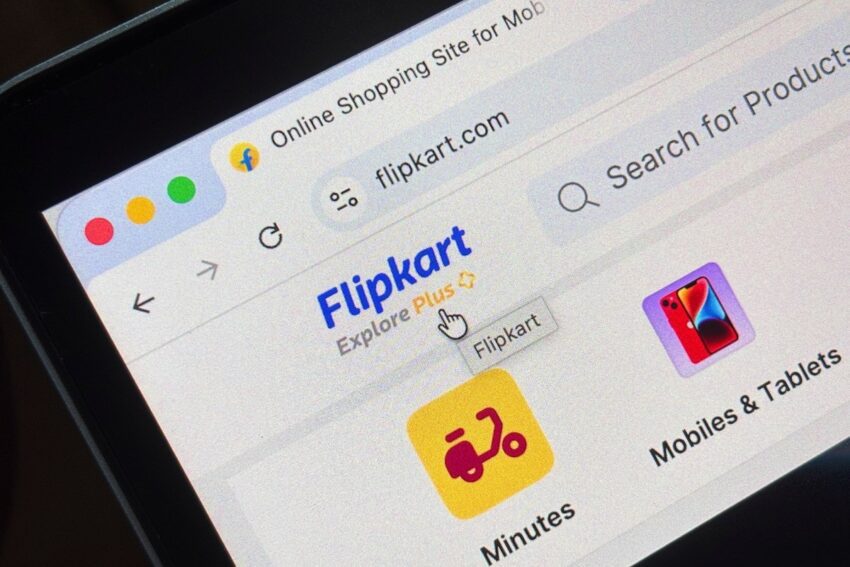
walmart-backed flipkart expands quick-commerce push as amazon Walmart-backed Flipkart has reached a significant milestone by establishing over 1,000 micro-fulfillment centers in India, coinciding with Amazon’s intensified efforts in the quick-commerce sector within the country.
walmart-backed flipkart expands quick-commerce push as amazon
Overview of Quick-Commerce in India
Quick-commerce, a rapidly evolving segment of the e-commerce industry, focuses on delivering products to consumers in a matter of minutes. This model has gained traction in urban areas, where consumers increasingly prefer the convenience of fast delivery. The COVID-19 pandemic accelerated this trend, as more people turned to online shopping for essential goods. Companies like Flipkart and Amazon are now vying for dominance in this competitive landscape.
Flipkart’s Expansion Strategy
Flipkart’s recent achievement of surpassing 1,000 micro-fulfillment centers marks a pivotal moment in its strategy to enhance its quick-commerce capabilities. These centers are strategically located in urban areas, allowing for efficient last-mile delivery. The company aims to reduce delivery times significantly, catering to the growing demand for rapid service.
Micro-fulfillment centers are smaller warehouses that stock a limited range of products, enabling quicker access to inventory. By leveraging these centers, Flipkart can fulfill orders in a more agile manner, thus improving customer satisfaction. The expansion not only reflects Flipkart’s commitment to enhancing its logistics network but also its response to the competitive pressures posed by Amazon.
Investment and Technology
To support its quick-commerce initiative, Flipkart has invested heavily in technology and infrastructure. The company has been focusing on automation and data analytics to optimize its supply chain and enhance operational efficiency. This investment is crucial as it allows Flipkart to manage inventory more effectively and predict consumer demand accurately.
Moreover, Flipkart has been exploring partnerships with local businesses to strengthen its logistics network. Collaborating with local retailers and suppliers can provide Flipkart with a competitive edge, allowing it to offer a wider range of products while maintaining quick delivery times.
Amazon’s Competitive Response
In response to Flipkart’s expansion, Amazon has ramped up its quick-commerce efforts in India. The company has been investing in its logistics infrastructure and exploring new delivery models to meet the increasing consumer demand for fast service. Amazon’s strategy includes enhancing its Prime membership offerings, which provide subscribers with access to faster delivery options.
Amazon’s Fulfillment Network
Amazon has been expanding its fulfillment centers across India, focusing on key urban areas. This expansion is designed to improve delivery times and enhance customer experience. The company has also been experimenting with various delivery methods, including drone technology and autonomous vehicles, to further streamline its logistics operations.
Additionally, Amazon has been increasing its partnerships with local delivery services to bolster its last-mile delivery capabilities. By collaborating with established local players, Amazon can leverage their expertise and infrastructure to enhance its service offerings.
Market Implications
The competition between Flipkart and Amazon in the quick-commerce sector has significant implications for the Indian e-commerce market. As both companies invest in technology and infrastructure, consumers stand to benefit from improved services, faster delivery times, and a wider range of product offerings.
Consumer Preferences
Consumer preferences are shifting towards convenience and speed, driving the demand for quick-commerce solutions. As a result, companies are under pressure to innovate and adapt to changing consumer expectations. The expansion of micro-fulfillment centers by Flipkart and the strategic investments by Amazon reflect a broader trend in the industry where agility and responsiveness are becoming key differentiators.
Challenges Ahead
Despite the promising growth of quick-commerce, both Flipkart and Amazon face challenges. The logistics of rapid delivery can be complex, requiring efficient inventory management and robust supply chain solutions. Additionally, the high operational costs associated with maintaining micro-fulfillment centers and ensuring timely deliveries can impact profitability.
Moreover, regulatory challenges in India, including compliance with local laws and regulations, can pose hurdles for both companies. As they expand their operations, navigating these complexities will be crucial for sustained growth.
Stakeholder Reactions
The expansion of quick-commerce initiatives by Flipkart and Amazon has elicited varied reactions from stakeholders, including consumers, local businesses, and industry analysts.
Consumer Sentiment
Consumers have generally welcomed the increased competition in the quick-commerce space. Many appreciate the convenience of rapid delivery and the variety of products available at their fingertips. Surveys indicate that consumers are willing to pay a premium for faster delivery, highlighting the importance of speed in their purchasing decisions.
Local Businesses
Local businesses have mixed feelings about the expansion of quick-commerce. While some see opportunities for collaboration with larger players like Flipkart and Amazon, others express concerns about the potential for increased competition. Local retailers may struggle to compete with the scale and efficiency of these e-commerce giants, prompting calls for supportive measures to ensure a level playing field.
Industry Analysts
Industry analysts view the competition between Flipkart and Amazon as a positive development for the Indian e-commerce landscape. They argue that increased competition can drive innovation and improve service quality across the board. However, analysts also caution that the sustainability of rapid delivery models remains to be seen, particularly in terms of profitability and environmental impact.
Future Outlook
The future of quick-commerce in India appears promising, with both Flipkart and Amazon committed to expanding their operations. As they continue to invest in technology and infrastructure, the competition is likely to intensify, leading to further innovations in delivery models and customer service.
Technological Advancements
Technological advancements will play a crucial role in shaping the future of quick-commerce. Companies are increasingly exploring artificial intelligence and machine learning to enhance inventory management and optimize delivery routes. These technologies can help reduce operational costs and improve efficiency, ultimately benefiting consumers.
Environmental Considerations
As quick-commerce grows, environmental considerations will also come to the forefront. The logistics of rapid delivery can contribute to increased carbon emissions, prompting companies to explore sustainable practices. Initiatives such as electric delivery vehicles and eco-friendly packaging are likely to gain traction as consumers become more environmentally conscious.
Conclusion
Walmart-backed Flipkart’s expansion of its quick-commerce capabilities through the establishment of over 1,000 micro-fulfillment centers marks a significant development in the Indian e-commerce landscape. As Amazon ramps up its own efforts, the competition between these two giants is set to reshape consumer experiences and drive innovation in the sector. While challenges remain, the future of quick-commerce in India looks bright, with potential benefits for consumers and opportunities for local businesses.
Source: Original report
Was this helpful?
Explore more: More Business & Startups Tech News Blog
Last Modified: June 24, 2026 at 9:40 am
7 views