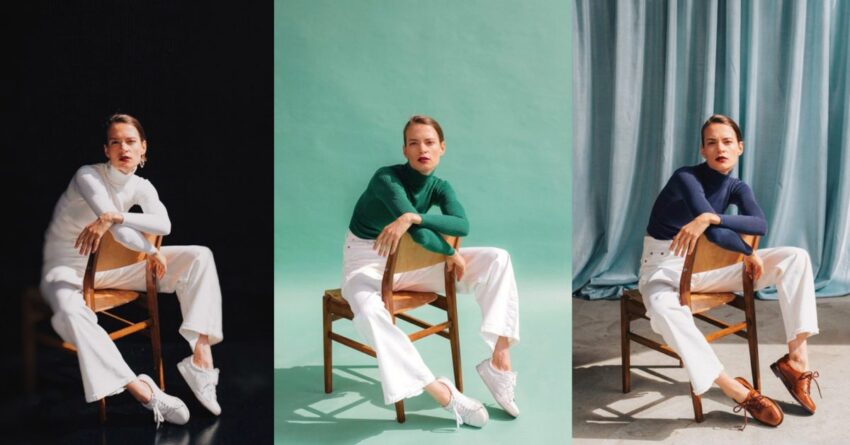
vsco adds prompt-based image editing as photographers VSCO has introduced a new feature that leverages artificial intelligence to enhance the editing capabilities of photographers through prompt-based image editing.
vsco adds prompt-based image editing as photographers
Overview of VSCO’s New Feature
VSCO, a popular photo editing and sharing app, is continually evolving to meet the needs of its users. The latest addition to its suite of tools is a prompt-based image editing feature that utilizes artificial intelligence (AI) to streamline the editing process. This innovative functionality aims to assist photographers by allowing them to input specific prompts, which the AI then uses to generate tailored editing suggestions. This feature is part of a broader trend where AI is increasingly integrated into creative workflows, enabling users to achieve professional results with less effort.
How Prompt-Based Image Editing Works
At its core, prompt-based image editing allows users to describe the desired outcome for their images in natural language. For instance, a photographer might input a prompt such as “make this photo brighter” or “add a vintage feel.” The AI then interprets these instructions and applies relevant adjustments to the image. This process not only saves time but also opens up new creative possibilities for users who may not have extensive editing skills.
The AI analyzes various elements of the image, such as lighting, color balance, and composition, to make informed adjustments based on the user’s prompt. This capability is particularly beneficial for photographers who are looking to enhance their workflow without getting bogged down in the technical details of image editing.
The Growing Role of AI in Photography
The introduction of AI-driven features in photography apps like VSCO reflects a significant shift in how photographers approach their craft. Traditionally, photo editing has required a deep understanding of software tools and techniques. However, with the advent of AI, the barriers to entry are being lowered, allowing more individuals to engage in photography and editing.
Benefits of AI in Photography
- Time Efficiency: AI can process images and apply edits much faster than a human can manually. This efficiency is particularly valuable for professional photographers who often work under tight deadlines.
- Accessibility: By simplifying the editing process, AI tools make photography more accessible to beginners. Users can achieve high-quality results without needing extensive training.
- Creative Exploration: AI can suggest edits that users may not have considered, encouraging experimentation and creativity.
Challenges and Limitations
Despite the advantages, the integration of AI into photography also poses challenges. One concern is the potential loss of the photographer’s unique style. As AI tools become more prevalent, there is a risk that images may start to look homogenized, lacking the personal touch that comes from manual editing. Additionally, reliance on AI could lead to a decline in traditional editing skills among photographers.
Another limitation is the accuracy of AI interpretations. While the technology has advanced significantly, it may not always understand the nuances of a prompt or the specific artistic vision of the user. This could result in edits that do not align with the photographer’s intent, necessitating further manual adjustments.
Stakeholder Reactions
The introduction of prompt-based image editing has garnered mixed reactions from various stakeholders in the photography community. Many professional photographers and enthusiasts have expressed excitement about the potential for AI to enhance their workflows. They appreciate the time-saving aspect and the opportunity to explore new creative avenues.
On the other hand, some traditionalists are skeptical about the reliance on AI in photography. They argue that the essence of photography lies in the artist’s vision and technical skills, which could be undermined by automated processes. This debate highlights the ongoing tension between technology and artistry in the creative fields.
Industry Trends and Implications
The rise of AI in photography is part of a larger trend across various creative industries. From graphic design to music production, AI tools are being adopted to streamline workflows and enhance creativity. This shift raises important questions about the future of creative professions and the role of technology in artistic expression.
As AI continues to evolve, it is likely that more applications will emerge, offering increasingly sophisticated editing capabilities. This could lead to a democratization of photography, where more individuals can participate and share their work without needing extensive technical knowledge. However, it also raises concerns about the potential devaluation of professional skills and the unique perspectives that individual artists bring to their work.
Conclusion
VSCO’s introduction of prompt-based image editing is a significant step forward in the integration of AI into photography. By allowing users to input natural language prompts, the app simplifies the editing process and opens up new creative possibilities. While the benefits of AI in photography are clear, it is essential to consider the implications for artistic expression and the future of the profession. As the photography landscape evolves, it will be crucial for photographers to find a balance between leveraging technology and maintaining their unique artistic voices.
Source: Original report
Was this helpful?
Explore more: AI Automation Services More AI & Automation Tech News
Last Modified: January 17, 2026 at 10:49 am
18 views