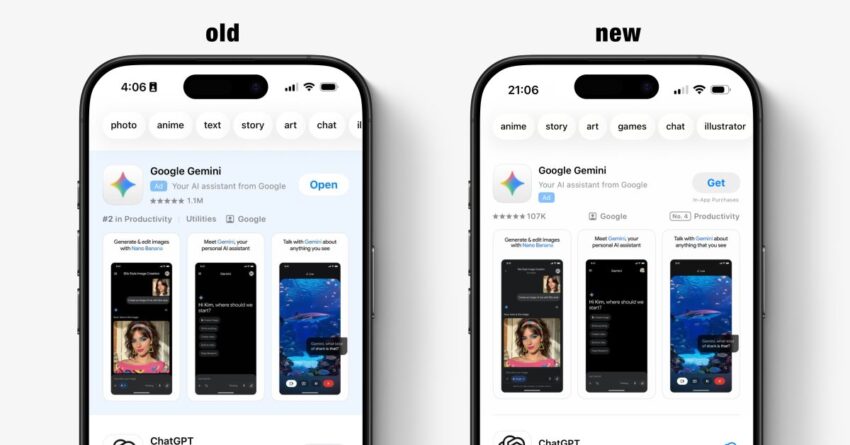
apple testing new app store design that Apple is currently experimenting with a new design for App Store search ads on iPhones, which may significantly alter how users perceive sponsored content versus organic search results.
apple testing new app store design that
Overview of the New Design
As part of its ongoing efforts to enhance user experience and optimize advertising strategies, Apple has initiated testing on a new design for App Store search ads. Users running iOS version 26.3 have reported noticeable changes in the presentation of sponsored results. The most significant alteration is the removal of the blue background that previously distinguished paid advertisements from organic search results.
This design shift raises questions about transparency and user awareness, as the only remaining indicator of an advertisement is a small ‘Ad’ label next to the app icon. This change is currently being implemented in an A/B testing phase, meaning that not all users may see the new design simultaneously. The implications of this testing phase could have far-reaching effects on how users interact with the App Store and perceive the integrity of search results.
Implications for Users
Blurring the Lines Between Ads and Organic Results
The primary concern surrounding this new design is the potential blurring of lines between paid advertisements and organic search results. Previously, the blue background served as a clear visual cue that a result was sponsored. With its removal, users may find it increasingly difficult to differentiate between what is paid content and what is genuinely relevant to their search queries.
This change could lead to confusion among users, particularly those who may not be familiar with the App Store’s advertising model. Users might inadvertently click on ads, believing they are selecting organic results, which could skew their perceptions of app quality and relevance. Furthermore, this design could impact user trust in the App Store as a reliable source for finding apps, potentially leading to frustration and dissatisfaction.
Impact on App Developers
For app developers, this new design could have mixed implications. On one hand, the less conspicuous nature of ads might increase click-through rates, as users may engage with sponsored content without realizing it is an advertisement. This could lead to higher visibility for developers who invest in advertising, potentially boosting downloads and revenue.
On the other hand, the lack of clear differentiation may lead to ethical concerns. Developers who rely on organic search results may feel disadvantaged if users are unable to distinguish between their apps and those that are promoted through paid ads. This could create an uneven playing field, where the effectiveness of organic search results is diminished, impacting developers who prioritize quality over paid promotions.
Stakeholder Reactions
Consumer Advocacy Groups
Consumer advocacy groups have expressed concern over the potential implications of this design change. They argue that the removal of the blue background could mislead users, particularly those who may not be tech-savvy. These groups advocate for clearer labeling and transparency in advertising practices, emphasizing the need for consumers to be fully informed about the nature of the content they are engaging with.
App Developers and Industry Experts
Reactions from app developers and industry experts have been varied. Some developers have welcomed the change, believing it could lead to increased visibility for their apps. Others, however, have voiced concerns about the ethical implications of such a design. They argue that users should have a clear understanding of what they are clicking on, and that the App Store should maintain a level of integrity in its search results.
Industry experts have also weighed in, noting that this design shift could be part of a broader trend in digital advertising. As platforms increasingly seek to monetize their services, the lines between organic content and paid promotions may continue to blur. This trend raises important questions about the future of digital advertising and the ethical responsibilities of tech companies.
Contextualizing the Change
Apple’s Advertising Strategy
Apple’s advertising strategy has evolved significantly over the years. Initially, the company focused on promoting its hardware and software products through traditional marketing channels. However, as the App Store grew in popularity, Apple recognized the potential for monetizing its platform through advertising.
The introduction of search ads in the App Store allowed developers to promote their apps directly to users searching for relevant content. This model has proven lucrative for Apple, contributing to the company’s overall revenue. However, as competition in the app market intensifies, Apple is likely seeking new ways to optimize its advertising offerings while maintaining user engagement.
Previous Changes in App Store Design
This is not the first time Apple has made significant changes to the App Store’s design and functionality. Over the years, the company has introduced various updates aimed at improving user experience and enhancing app discoverability. Each change has sparked discussions about the balance between user experience and monetization.
For instance, previous updates have included changes to the app review process, the introduction of subscription models, and the implementation of user ratings and reviews. Each of these changes has had implications for both users and developers, highlighting the complex relationship between user experience and the need for revenue generation.
Looking Ahead
Potential Future Developments
As Apple continues to test this new design for App Store search ads, the outcomes of this A/B testing phase will likely inform future decisions regarding advertising strategies. If the new design proves successful in increasing engagement and revenue, Apple may fully implement it across the platform.
Conversely, if user feedback indicates significant dissatisfaction or confusion, Apple may reconsider its approach. The company has a history of responding to user concerns, and it is likely that stakeholder reactions will play a crucial role in shaping the future of App Store advertising.
Broader Industry Trends
This design change also reflects broader trends in the digital advertising landscape. As more platforms adopt similar strategies, the distinction between organic and paid content may continue to diminish. This trend raises important questions about the ethical implications of advertising practices and the responsibilities of tech companies to their users.
As the industry evolves, it will be essential for companies to prioritize transparency and user trust. Failure to do so could result in backlash from consumers and advocacy groups, ultimately impacting brand reputation and user loyalty.
Conclusion
Apple’s testing of a new design for App Store search ads marks a significant shift in how sponsored content is presented to users. By removing the blue background that previously distinguished ads from organic results, Apple is blurring the lines between paid promotions and genuine search results. While this change may offer increased visibility for developers, it raises important ethical questions regarding transparency and user trust.
As stakeholders react to this development, the implications for both users and developers will continue to unfold. The outcome of this A/B testing phase will likely shape the future of advertising within the App Store and may signal broader trends in the digital advertising landscape.
Source: Original report
Was this helpful?
Explore more: More Big Tech & Platforms Tech News Blog
Last Modified: January 17, 2026 at 10:49 am
15 views