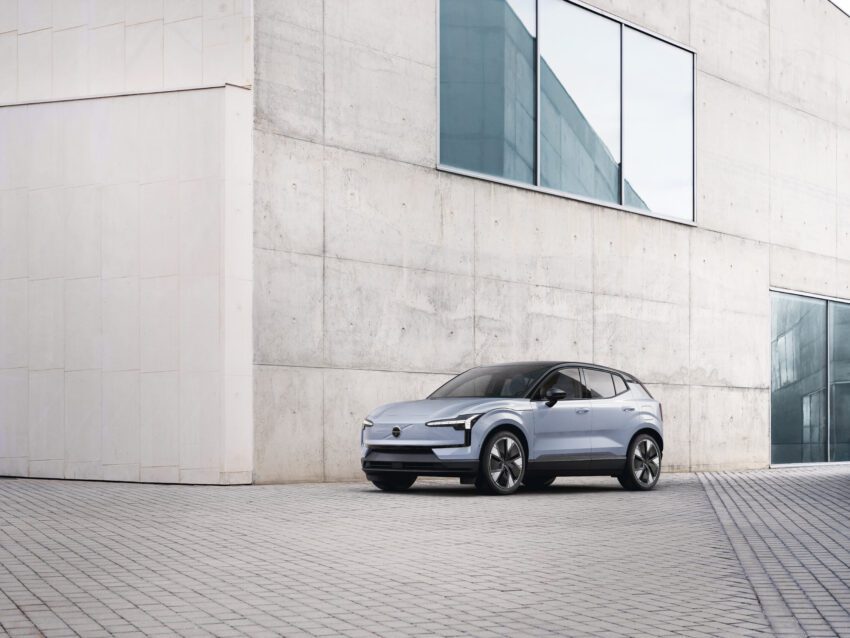
volvo teases a new affordable ev to Volvo has announced plans for a new affordable electric vehicle (EV) aimed at the U.S. market, following the discontinuation of its compact EX30 model.
volvo teases a new affordable ev to
Background on the EX30 Model
The Volvo EX30, a compact electric SUV, was initially launched with high hopes of appealing to a broader audience seeking affordable electric options. However, the model faced significant challenges shortly after its release. One of the primary issues was the impact of tariffs, which effectively negated its affordability. The price increase made it less competitive in a market that is increasingly focused on value for consumers.
In addition to the pricing challenges, the EX30 was also marred by a battery recall that raised safety concerns. The recall made it dangerous for owners to park the vehicle indoors, leading to further complications for potential buyers. These issues ultimately contributed to the decision to discontinue the EX30, as Volvo sought to reassess its strategy in the electric vehicle market.
Volvo’s Commitment to Affordable EVs
Despite the setbacks associated with the EX30, Volvo remains committed to expanding its electric vehicle lineup, particularly in the affordable segment. The announcement of a new model, tentatively referred to as the EX60, was made during a recent media roundtable focused on the U.S. launch of this new vehicle. Luis Rezende, president of Volvo Cars America, emphasized that the discontinuation of the EX30 was not solely about its shortcomings but also a strategic pivot toward more viable options for consumers.
Strategic Shift
Volvo’s decision to discontinue the EX30 and develop the EX60 reflects a broader strategy to adapt to changing market conditions and consumer preferences. The automotive industry is undergoing a significant transformation as electric vehicles become more mainstream. Consumers are increasingly looking for options that not only meet their environmental concerns but also fit within their budget constraints.
The EX60 is positioned to address these needs, with a focus on affordability without compromising on quality or safety. This strategic shift is crucial for Volvo, as the company aims to capture a larger share of the growing EV market in the United States.
Market Context and Implications
The U.S. electric vehicle market is rapidly evolving, with numerous automakers vying for consumer attention. As of 2023, the demand for affordable electric vehicles has surged, driven by a combination of rising fuel prices, increased environmental awareness, and government incentives aimed at promoting EV adoption. In this competitive landscape, Volvo’s ability to offer a well-priced, reliable electric vehicle could significantly impact its market position.
Analysts suggest that the success of the EX60 will depend on several factors, including pricing, battery technology, and the overall driving experience. With many consumers still hesitant about transitioning to electric vehicles, Volvo must ensure that the EX60 meets or exceeds expectations in these areas.
Consumer Expectations
As consumers become more informed about electric vehicles, their expectations have evolved. They are looking for vehicles that not only offer a lower carbon footprint but also provide the same level of performance and convenience as traditional gasoline-powered cars. This includes considerations such as range, charging infrastructure, and overall reliability.
Volvo’s focus on safety, a hallmark of the brand, will also play a significant role in attracting consumers to the EX60. The company has a long-standing reputation for producing safe vehicles, and this commitment will be crucial in reassuring potential buyers about the reliability of their new electric offering.
Stakeholder Reactions
The announcement of the EX60 has garnered attention from various stakeholders, including automotive analysts, environmental advocates, and consumers. Many industry experts view this move as a positive step for Volvo, signaling its intent to remain competitive in the evolving automotive landscape.
Environmental advocates have expressed cautious optimism about Volvo’s commitment to producing more affordable electric vehicles. They argue that making EVs more accessible is essential for achieving broader adoption and reducing overall emissions. However, they also emphasize the importance of ensuring that the production processes for these vehicles are sustainable and environmentally friendly.
Consumer Feedback
Consumer feedback regarding the EX30 has been mixed, with some praising its design and features while others have expressed frustration over the pricing and safety issues. As Volvo prepares to launch the EX60, it will be essential for the company to listen to consumer feedback and incorporate it into the development process. Engaging with potential buyers through surveys, focus groups, and social media can provide valuable insights that will help shape the final product.
Future Outlook for Volvo
Looking ahead, Volvo’s strategy to introduce the EX60 reflects a broader commitment to electrification and sustainability. The company has set ambitious goals for itself, aiming to become a fully electric car brand by 2030. This transition is not only about producing electric vehicles but also about rethinking the entire automotive ecosystem, including manufacturing processes, supply chains, and customer engagement.
The EX60 is expected to play a pivotal role in this transition, serving as a bridge for consumers who may be hesitant to fully embrace electric vehicles. By offering a more affordable option, Volvo aims to attract a wider audience and encourage more people to consider making the switch to electric.
Technological Innovations
As part of its commitment to electrification, Volvo is also investing in technological innovations that will enhance the performance and appeal of its electric vehicles. This includes advancements in battery technology, which are crucial for improving range and reducing charging times. The company is exploring partnerships with battery manufacturers to ensure that it can deliver high-quality, reliable battery systems for the EX60 and future models.
Additionally, Volvo is focusing on integrating smart technology into its vehicles, enhancing the overall driving experience. Features such as advanced driver-assistance systems (ADAS), connectivity options, and intuitive infotainment systems are becoming increasingly important to consumers. The EX60 is expected to incorporate these technologies, making it a competitive option in the market.
Conclusion
In summary, Volvo’s decision to discontinue the EX30 and introduce the EX60 represents a strategic pivot aimed at addressing the challenges faced by the previous model. By focusing on affordability and consumer expectations, Volvo aims to capture a larger share of the growing electric vehicle market in the United States. As the automotive landscape continues to evolve, the success of the EX60 will depend on its ability to meet the demands of consumers while maintaining the brand’s commitment to safety and sustainability.
Source: Original report
Was this helpful?
Explore more: More Hardware & Devices Tech News Blog
Last Modified: May 19, 2026 at 6:41 am
19 views