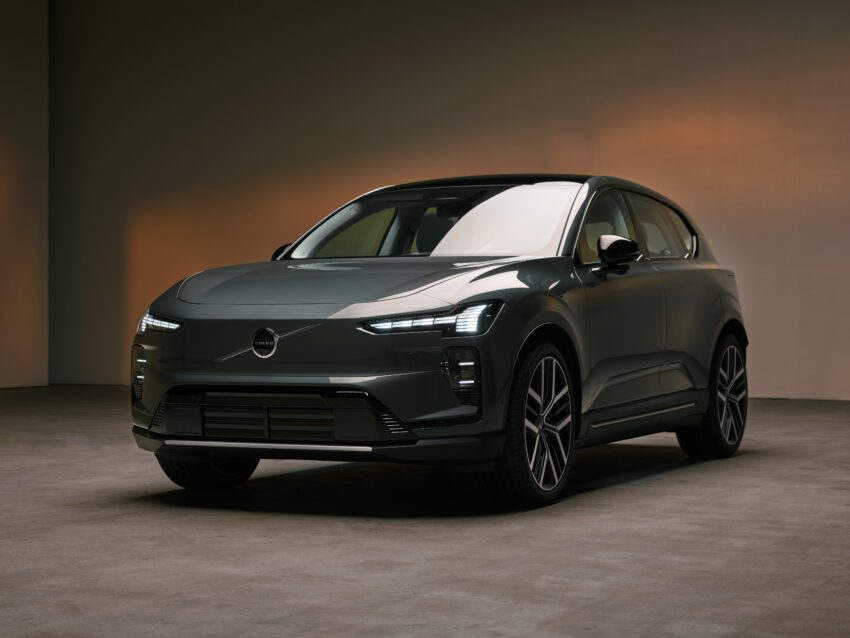
volvo aims for an ev reset with Volvo has officially unveiled its new EX60 crossover, marking a significant step in the automaker’s transition to electric vehicles (EVs).
volvo aims for an ev reset with
Introduction to the EX60
The EX60 is designed to be a game-changer for Volvo, showcasing the company’s commitment to electrification and its ambition to reshape its battery-powered vehicle lineup. With a sleek design and advanced technology, the EX60 aims to address common concerns associated with electric vehicle ownership, such as range anxiety and charging times. This new model is part of Volvo’s broader strategy to become a leader in the EV market, reflecting a shift in both its supply chain and production processes.
Key Features of the EX60
Performance and Range
One of the standout features of the EX60 is its impressive estimated range of up to 400 miles on a single charge. This figure positions the EX60 competitively within the growing EV market, where range is a critical factor for consumers. The vehicle’s 800-volt architecture enables ultra-fast charging capabilities, allowing drivers to recharge their batteries significantly quicker than many current models on the market. This advancement is particularly important for long-distance travel, where charging speed can make or break the driving experience.
Design and Technology
At first glance, the EX60 may appear familiar, as it shares design elements with other models in Volvo’s lineup. However, the crossover features a modern aesthetic that aligns with the brand’s vision for the future. The exterior design is characterized by clean lines and a streamlined silhouette, which not only enhances its visual appeal but also contributes to improved aerodynamics.
Inside, the EX60 is equipped with cutting-edge technology, including a state-of-the-art infotainment system and a suite of advanced safety features. Volvo has long been known for its commitment to safety, and the EX60 continues this tradition with a range of driver-assistance technologies designed to enhance the driving experience while ensuring passenger safety.
Addressing Common EV Concerns
Range Anxiety
Range anxiety remains one of the most significant barriers to widespread EV adoption. Many potential buyers are hesitant to make the switch from traditional combustion engines due to concerns about how far they can travel on a single charge. With the EX60’s estimated range of up to 400 miles, Volvo aims to alleviate these fears. This range is competitive with some of the best-selling electric vehicles currently available, making the EX60 a more attractive option for consumers.
Charging Infrastructure
The EX60’s 800-volt architecture not only allows for faster charging but also positions Volvo to take advantage of the growing network of high-speed charging stations. As charging infrastructure continues to expand, the EX60’s capabilities will enable drivers to take longer trips without the constant worry of finding a charging station. This advancement is crucial in making electric vehicles more practical for everyday use.
Volvo’s Strategic Shift
Supply Chain and Production Changes
The launch of the EX60 is part of Volvo’s broader strategy to revamp its supply chain and production processes. The automaker is making significant investments in new technologies and partnerships to ensure that it can produce electric vehicles efficiently and profitably. This shift is essential for Volvo, as the EV market becomes increasingly competitive, with numerous automakers vying for consumer attention.
By focusing on a more streamlined supply chain, Volvo aims to reduce production costs and improve the overall profitability of its electric vehicle lineup. This is particularly important as the company seeks to expand its offerings and capture a larger share of the growing EV market.
Market Positioning
Volvo is positioning the EX60 as a premium electric crossover, targeting consumers who are looking for a combination of performance, luxury, and sustainability. This focus on the premium segment aligns with Volvo’s brand identity, which has long been associated with quality and safety. By offering a vehicle that meets the demands of environmentally conscious consumers without sacrificing performance or luxury, Volvo aims to differentiate itself from competitors.
Stakeholder Reactions
Consumer Interest
Initial reactions from consumers and industry experts have been largely positive. Many see the EX60 as a significant step forward for Volvo, particularly in addressing the common pain points associated with electric vehicles. The combination of impressive range, fast charging capabilities, and advanced technology has generated excitement among potential buyers.
Moreover, the EX60’s design and features are expected to appeal to a broad audience, from tech-savvy millennials to families looking for a reliable and spacious vehicle. This diverse appeal could help Volvo capture a wider market share in the competitive EV landscape.
Industry Analysts
Industry analysts have also weighed in on the significance of the EX60’s launch. Many believe that Volvo’s commitment to electric vehicles is timely, given the increasing regulatory pressures on automakers to reduce emissions and transition to cleaner technologies. The EX60 could serve as a benchmark for other automakers looking to enter or expand in the EV market.
Additionally, analysts note that Volvo’s focus on profitability is crucial in an industry where many automakers have struggled to achieve financial success with their electric offerings. By revamping its supply chain and production processes, Volvo is positioning itself for long-term success in the evolving automotive landscape.
Future Implications
Impact on the EV Market
The introduction of the EX60 could have broader implications for the electric vehicle market as a whole. As more consumers become aware of the benefits of electric vehicles, demand is likely to increase. The EX60’s competitive range and charging capabilities may encourage other automakers to enhance their offerings, leading to a more robust and diverse EV market.
Furthermore, Volvo’s strategic shift in production and supply chain management may set a precedent for other automakers. As the industry continues to evolve, companies that prioritize efficiency and profitability will likely have a competitive edge.
Volvo’s Long-Term Goals
Looking ahead, Volvo has set ambitious long-term goals for its electric vehicle lineup. The company aims to become a fully electric brand by 2030, with plans to offer a range of electric vehicles that cater to various consumer needs. The EX60 is a crucial step in this journey, serving as a foundation for future models and innovations.
In addition to expanding its electric offerings, Volvo is also committed to sustainability in its production processes. The company has made significant strides in reducing its carbon footprint and is focused on using sustainable materials in its vehicles. This commitment to sustainability aligns with the growing consumer demand for environmentally friendly products and could further enhance Volvo’s reputation in the market.
Conclusion
The launch of the Volvo EX60 marks a pivotal moment for the automaker as it seeks to redefine its position in the electric vehicle market. With its impressive range, fast charging capabilities, and commitment to sustainability, the EX60 is poised to attract a diverse audience of consumers. As Volvo continues to innovate and adapt to the changing automotive landscape, the EX60 could serve as a benchmark for future electric vehicles, setting new standards for performance, design, and profitability.
Source: Original report
Was this helpful?
Explore more: More Hardware & Devices Tech News Blog
Last Modified: January 22, 2026 at 4:42 am
18 views