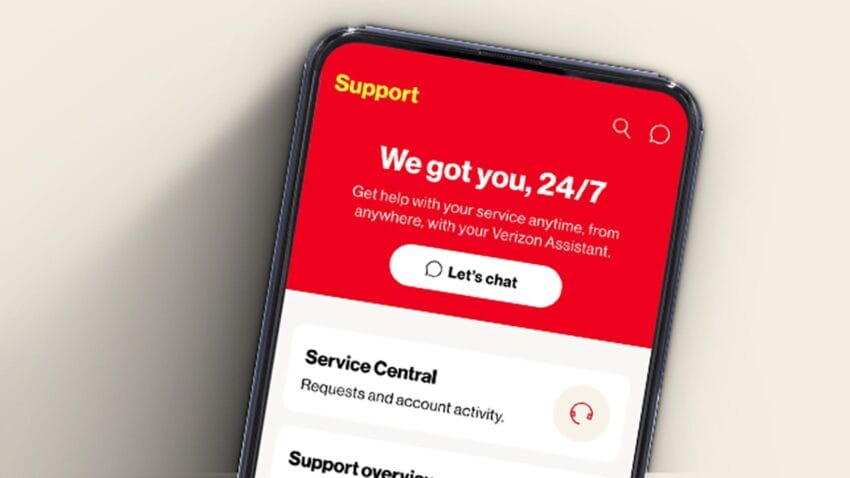
verizon s google-powered chatbot frustrates customers Verizon’s recent integration of a Google-powered chatbot into its customer service framework has left many customers feeling frustrated and longing for human interaction.
verizon s google-powered chatbot frustrates customers
Introduction to Verizon’s Chatbot Integration
In an era where businesses are increasingly relying on artificial intelligence (AI) to streamline customer service, Verizon’s decision to incorporate Gemini, a Google-powered chatbot, into its Verizon Assistant has sparked significant backlash. While the intention behind implementing such technology is to enhance efficiency and provide quicker resolutions, the reality has proven to be quite different for many customers. Reports indicate that users are finding the chatbot’s capabilities lacking, leading to a surge in requests for human assistance.
The Role of AI in Customer Service
AI-driven chatbots have become a staple in customer service across various industries. They are designed to handle common inquiries, troubleshoot issues, and provide information without the need for human intervention. Ideally, a well-functioning chatbot can reduce wait times, improve customer satisfaction, and allow human agents to focus on more complex problems. However, the effectiveness of these systems heavily relies on their design and implementation.
Benefits of Chatbots
- 24/7 Availability: Chatbots can operate around the clock, providing assistance to customers at any time of day.
- Cost-Effectiveness: Automating responses can significantly reduce operational costs for businesses.
- Quick Responses: Chatbots can provide instant answers to frequently asked questions, enhancing the customer experience.
Challenges Faced by Chatbots
- Limited Understanding: Many chatbots struggle to comprehend complex queries or nuanced language, leading to frustration for users.
- Lack of Personalization: Automated responses can feel impersonal, making customers feel undervalued.
- Escalation Issues: When a chatbot cannot resolve an issue, the transition to a human agent can be cumbersome and time-consuming.
Customer Reactions to Verizon’s Chatbot
Since the introduction of the Gemini integration, customer feedback has been overwhelmingly negative. Many users have reported that the chatbot fails to understand their requests, often providing irrelevant or generic responses. This has led to increased frustration, as customers find themselves stuck in a loop of automated replies without a clear path to escalate their issues to a human representative.
Common Complaints
Among the most frequently cited complaints are:
- Inability to Resolve Issues: Customers have expressed dissatisfaction with the chatbot’s inability to address specific problems, such as billing inquiries or technical support.
- Repetitive Responses: Many users have noted that the chatbot often repeats the same information, failing to adapt to the context of the conversation.
- Difficulty in Reaching Human Agents: Customers report that getting transferred to a human representative is often a frustrating process, with long wait times and convoluted menus.
The Implications of Poor Customer Service
The dissatisfaction stemming from Verizon’s chatbot integration raises important questions about the implications of relying heavily on AI for customer service. While the goal may be to enhance efficiency, the reality is that poor customer experiences can lead to significant repercussions for businesses.
Impact on Customer Loyalty
Customer loyalty is a crucial element for any business, especially in the highly competitive telecommunications industry. When customers feel frustrated with a company’s service, they are more likely to seek alternatives. In Verizon’s case, the negative experiences with the chatbot could lead to a decline in customer retention, as users may turn to competitors who offer more reliable and responsive customer service.
Brand Reputation
In today’s digital age, a company’s reputation can be significantly impacted by customer feedback shared on social media and review platforms. Negative experiences with the chatbot can lead to damaging reviews and comments, which can deter potential customers from choosing Verizon. A tarnished reputation can take years to rebuild, making it essential for companies to address customer concerns promptly.
Stakeholder Reactions
Reactions from various stakeholders, including customers, industry experts, and Verizon itself, have highlighted the challenges and potential solutions regarding the chatbot’s performance.
Customer Feedback
Customers have taken to social media platforms to voice their frustrations, with many expressing a desire for more human interaction in their customer service experiences. Some have shared anecdotes of their struggles with the chatbot, emphasizing the need for a more intuitive and responsive system. The overwhelming sentiment is that while automation has its place, it should not come at the expense of effective customer support.
Industry Experts’ Opinions
Industry experts have weighed in on the situation, suggesting that Verizon may need to reevaluate its approach to AI integration. Many emphasize the importance of balancing automation with human support, particularly in sectors where customer service is paramount. Experts recommend investing in better training for chatbots to improve their understanding of customer inquiries and ensuring a seamless transition to human agents when necessary.
Verizon’s Response
In light of the backlash, Verizon has acknowledged the issues surrounding its chatbot integration. While the company has not released a detailed statement addressing the specific complaints, it has indicated that it is actively working to improve the customer experience. This may include refining the chatbot’s capabilities and enhancing the process for customers to reach human representatives.
Future of Customer Service at Verizon
The challenges faced by Verizon’s chatbot integration serve as a critical reminder of the importance of effective customer service. As technology continues to evolve, companies must adapt their strategies to meet customer expectations. For Verizon, this means finding the right balance between automation and human interaction.
Potential Improvements
To enhance the customer experience, Verizon could consider implementing several strategies:
- Enhanced Training for AI: Investing in advanced AI training could improve the chatbot’s ability to understand and respond to customer inquiries more effectively.
- Streamlined Human Escalation: Simplifying the process for customers to reach human agents could alleviate frustration and improve overall satisfaction.
- Regular Feedback Loops: Establishing mechanisms for ongoing customer feedback can help Verizon identify pain points and make necessary adjustments to its service.
Conclusion
The integration of a Google-powered chatbot into Verizon’s customer service framework has not yielded the desired results, as evidenced by widespread customer dissatisfaction. While AI has the potential to revolutionize customer support, the current implementation has highlighted significant shortcomings. Moving forward, Verizon must prioritize customer feedback and invest in improvements to ensure that its chatbot serves as a valuable tool rather than a source of frustration.
Source: Original report
Was this helpful?
Explore more: AI Automation Services More AI & Automation Tech News
Last Modified: September 16, 2025 at 2:46 am
12 views