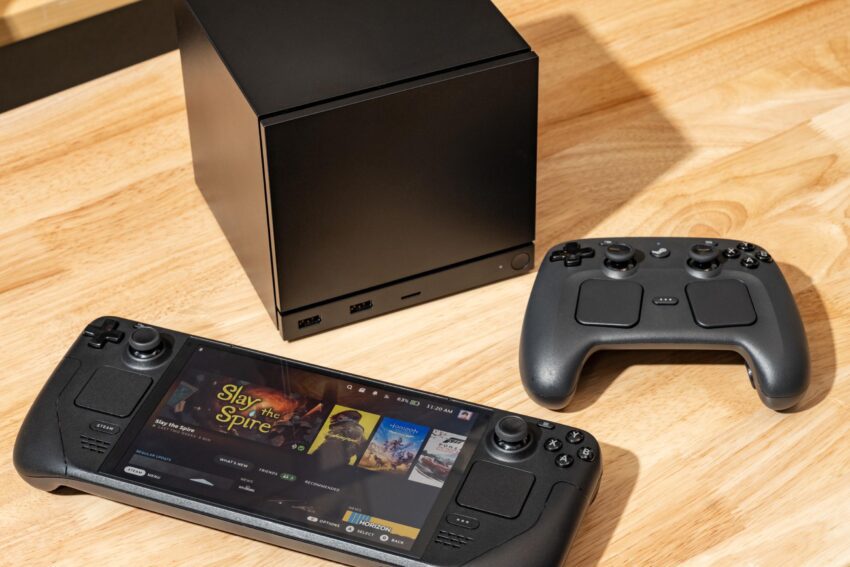
valve describes just how brutal ram negotiations Valve has revealed the pricing for its Steam Machine, highlighting the significant challenges faced in sourcing components, particularly RAM, in 2026.
valve describes just how brutal ram negotiations
Overview of the Steam Machine Pricing
Valve’s Steam Machine, a device aimed at bringing PC gaming into the living room, is now available at a steep price point. The 512GB configuration is priced at $1,049, while the 2TB version costs $1,349. These prices do not include bundled controllers, which can further increase the overall cost for consumers. The high pricing has raised eyebrows among potential buyers, especially considering the competitive landscape of gaming consoles and PCs.
Component Crisis and Its Impact
The current pricing structure is heavily influenced by a broader component crisis affecting the tech industry. Valve has made it clear that it is not subsidizing the hardware, which has led to a reevaluation of its initial pricing plans. In an interview with the YouTube channel Gamers Nexus, Valve engineers elaborated on the harsh realities of sourcing RAM and other components in 2026.
The State of RAM Sourcing
According to Valve’s engineers, the negotiations for RAM have become increasingly brutal. The company faces a “take-it-or-leave-it” scenario when dealing with suppliers. This situation arises from a limited number of vendors, primarily Samsung, Micron, and SK Hynix, who dominate the market. With such few options available, Valve’s bargaining power is significantly diminished, leading to inflated costs for essential components.
Market Dynamics and Supplier Limitations
The component crisis is not unique to Valve; it reflects a broader trend affecting many technology companies. The COVID-19 pandemic had a cascading effect on global supply chains, leading to shortages in various components, including semiconductors and memory chips. As demand surged for gaming consoles and PCs during lockdowns, manufacturers struggled to keep up, resulting in prolonged shortages.
In this context, Valve’s situation is particularly precarious. The company is not only competing with other gaming hardware manufacturers but also with industries like automotive and consumer electronics that are vying for the same limited resources. This competition exacerbates the challenges Valve faces in securing RAM and other critical components.
Implications for Consumers
The high prices of the Steam Machine may deter some consumers, especially those who are price-sensitive. The gaming market is known for its fierce competition, and consumers have a plethora of options available, from traditional consoles like the PlayStation and Xbox to custom-built gaming PCs. The Steam Machine’s pricing strategy may limit its appeal, particularly in a market where affordability is a significant factor.
Consumer Reactions
Initial reactions from the gaming community have been mixed. Some enthusiasts express understanding of the challenges Valve faces, recognizing that the component crisis is a widespread issue. Others, however, feel that the pricing is unjustifiable, especially for a product that does not include essential accessories like controllers. The sentiment among potential buyers is that they may seek alternatives that offer better value for their investment.
Long-Term Effects on Valve
The pricing strategy could have long-term implications for Valve’s brand and market position. If the Steam Machine fails to gain traction due to its high cost, it may hinder Valve’s ability to compete in the gaming hardware space. The company has built a reputation for innovation and quality, but if consumers perceive the Steam Machine as overpriced, it could tarnish that reputation.
Future Outlook
Looking ahead, the situation surrounding component sourcing may evolve. As the global supply chain stabilizes, there is hope that prices for RAM and other components will decrease. However, the timeline for such improvements remains uncertain. Valve’s engineers have indicated that they are actively exploring alternative sourcing strategies, but the success of these efforts is yet to be seen.
Potential Strategies for Valve
To navigate the challenging landscape, Valve may need to consider several strategies:
- Diversification of Suppliers: Expanding the pool of suppliers could enhance bargaining power and reduce reliance on a few major vendors.
- Innovative Pricing Models: Exploring different pricing structures, such as subscription services or bundled offers, could make the Steam Machine more appealing.
- Consumer Education: Providing transparency about the reasons behind pricing could help consumers understand the challenges and justify the costs.
Conclusion
Valve’s Steam Machine pricing reflects the harsh realities of the current component crisis, particularly in sourcing RAM. As the company navigates these challenges, it faces a delicate balance between maintaining its reputation for quality and addressing consumer concerns about affordability. The future of the Steam Machine will depend on how effectively Valve can adapt to the evolving landscape of component sourcing and consumer expectations.
Source: Original report
Was this helpful?
Explore more: More Hardware & Devices Tech News Blog
Last Modified: June 23, 2026 at 8:37 am
6 views