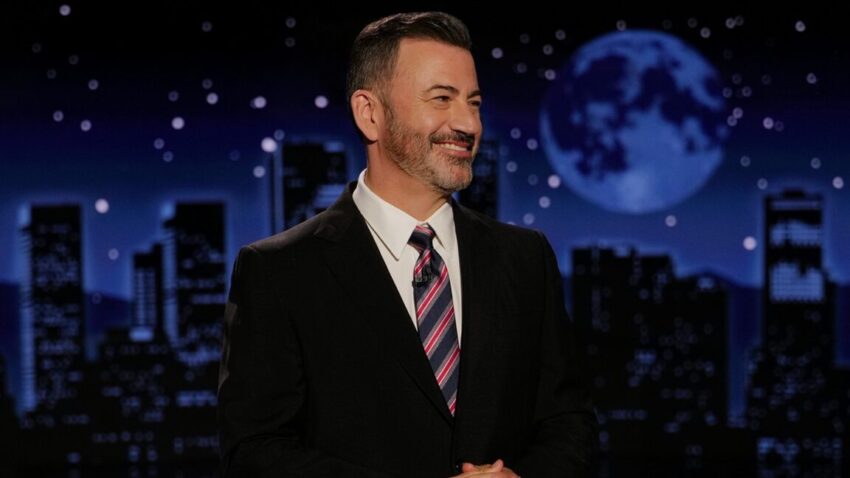
trump fcc threatens to enforce equal-time rule The Federal Communications Commission (FCC) has issued a warning to late-night and daytime talk shows, indicating that these programs may soon lose their exemption from the equal-time rule, a move that could significantly alter the landscape of political discourse on television.
trump fcc threatens to enforce equal-time rule
Overview of the Equal-Time Rule
The equal-time rule, established under the Communications Act of 1934, mandates that U.S. radio and television stations provide equal opportunities to all political candidates for public office. This rule is designed to ensure fairness in political broadcasting, preventing any single candidate from gaining an undue advantage over others. The FCC’s recent announcement suggests a potential shift in how this rule is enforced, particularly concerning late-night and daytime talk shows, which have historically been viewed as platforms for entertainment rather than serious political discourse.
Implications of the FCC’s Warning
The FCC’s warning, issued under the leadership of Chairman Brendan Carr, a known supporter of former President Donald Trump, raises questions about the future of political commentary on television. If enforced, this could compel talk shows to feature more Republican candidates, thereby reshaping the content of these programs. The potential for increased scrutiny and pressure from the FCC may lead producers to rethink their guest lineups and the political narratives they present.
Brendan Carr’s tenure at the FCC has been marked by a noticeable alignment with the Trump administration’s agenda, particularly regarding claims of liberal bias in media. By threatening to enforce the equal-time rule more stringently, Carr appears to be acting on a broader strategy to promote conservative viewpoints in mainstream media. This move is seen as part of a concerted effort to challenge what some perceive as a liberal dominance in late-night television, which has often been critical of Trump and his policies.
The Context of the FCC’s Decision
The FCC’s recent public notice, described as “guidance on political equal opportunities requirement for broadcast television stations,” is a clear indication of the agency’s intent to revisit the rules governing political content on television. The notice states that broadcast television stations, which utilize public spectrum, have a responsibility to operate in the public interest rather than favoring specific political candidates. This statement underscores the FCC’s commitment to maintaining a level playing field in political broadcasting.
Historical Background
The equal-time rule has been a fundamental aspect of U.S. broadcasting for decades. Its origins can be traced back to the early days of radio and television, when the government recognized the need for fairness in political coverage. Over the years, the rule has been applied in various contexts, from political debates to campaign advertisements. However, its application has often been subject to interpretation, particularly in the realm of entertainment programming.
Late-night talk shows, such as “The Tonight Show” and “The Late Show,” have traditionally focused on humor and entertainment rather than political reporting. While these shows occasionally feature political figures, they are not typically regarded as platforms for serious political discourse. This distinction has allowed them to operate under a different set of expectations compared to news programs. However, the FCC’s recent warning suggests that this understanding may be changing.
Reactions from Stakeholders
The potential enforcement of the equal-time rule on talk shows has elicited a range of reactions from various stakeholders, including television networks, producers, and political commentators. Many industry insiders have expressed concern that this move could stifle creative expression and limit the diversity of viewpoints presented on television.
Concerns from Television Networks
Television networks have historically resisted government interference in programming decisions, arguing that such actions threaten the independence of the media. The prospect of increased regulation from the FCC has raised alarms among network executives, who fear that they may be forced to alter their programming to comply with government mandates. This could lead to a homogenization of content, where shows prioritize political balance over creative storytelling.
Additionally, networks may face challenges in finding suitable Republican candidates to feature on their programs. Given the current political climate, some networks may struggle to identify individuals who align with their audience’s interests while also satisfying the FCC’s requirements. This could further complicate the already delicate balance between entertainment and political representation.
Political Commentary and Public Discourse
Political commentators have also weighed in on the implications of the FCC’s warning. Some argue that enforcing the equal-time rule on talk shows could dilute the quality of political discourse. Late-night hosts often use satire and humor to critique political figures, and the introduction of mandatory equal representation could hinder their ability to engage in this form of commentary.
Critics of the FCC’s approach contend that the agency’s focus on perceived liberal bias is misguided. They argue that the diversity of opinions presented on late-night television reflects the broader landscape of American political thought. Enforcing the equal-time rule could inadvertently suppress voices that challenge the status quo, ultimately undermining the very democratic principles the rule was designed to uphold.
The Future of Political Broadcasting
The FCC’s warning raises important questions about the future of political broadcasting in the United States. As the agency considers how to enforce the equal-time rule, it must grapple with the complexities of modern media and the evolving landscape of political discourse. The rise of digital platforms and social media has transformed the way audiences consume political content, making it increasingly difficult to apply traditional broadcasting rules to contemporary programming.
Potential Outcomes
Several potential outcomes could arise from the FCC’s decision to revisit the equal-time rule. One possibility is that networks may choose to comply with the FCC’s guidance by featuring more Republican candidates on their programs. This could lead to a shift in the tone and content of late-night television, as hosts adjust their formats to accommodate the new requirements.
Alternatively, networks may push back against the FCC’s warning, arguing that it infringes on their editorial independence. This could result in legal challenges, as networks seek to protect their right to determine their programming without government interference. Such a confrontation could set a significant precedent for the relationship between media and government in the United States.
Broader Implications for Media Regulation
The FCC’s actions also raise broader questions about media regulation in the digital age. As audiences increasingly turn to online platforms for news and entertainment, traditional broadcasting rules may become less relevant. The challenge for regulators will be to adapt to these changes while ensuring that the principles of fairness and public interest remain at the forefront of media policy.
In conclusion, the FCC’s warning to late-night and daytime talk shows signals a potential shift in the enforcement of the equal-time rule, with significant implications for political broadcasting in the United States. As the agency navigates this complex landscape, stakeholders from across the media spectrum will be closely watching the developments and their impact on the future of political discourse on television.
Source: Original report
Was this helpful?
Explore more: More General Technology Tech News Blog
Last Modified: January 22, 2026 at 5:38 am
15 views