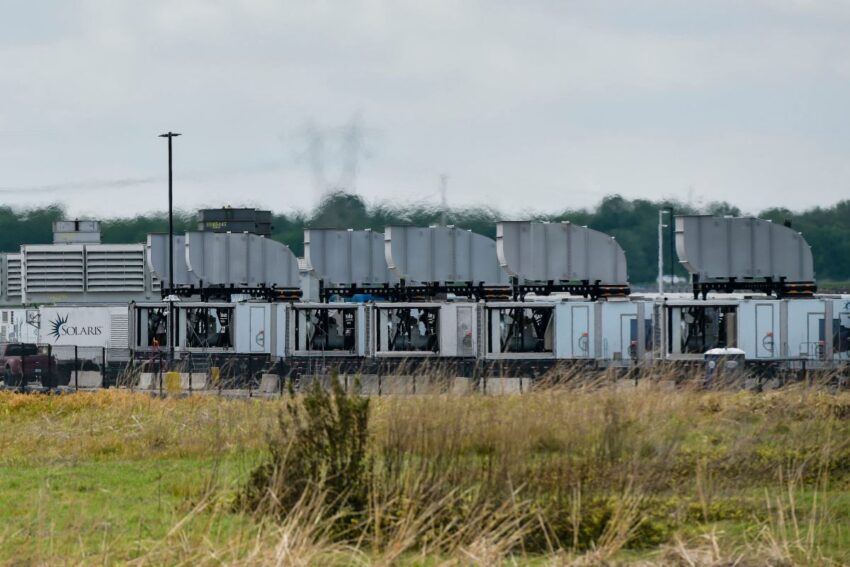
musk s xai is running nearly 50 Elon Musk’s xAI is facing legal scrutiny as it operates nearly 50 gas turbines at its Colossus 2 data center in Mississippi without the necessary regulatory oversight.
musk s xai is running nearly 50
Background on xAI and the Colossus 2 Data Center
xAI, founded by Elon Musk in 2022, aims to develop advanced artificial intelligence technologies. The company has rapidly expanded its operations, establishing data centers that require significant energy resources to power their computational needs. One of the most notable facilities is the Colossus 2 data center, located in Mississippi, which has become a focal point for controversy due to its energy sourcing methods.
The Colossus 2 data center is designed to support xAI’s ambitious AI projects, which demand vast amounts of computational power. To meet these energy needs, xAI has turned to gas turbines, which are typically used in power generation. However, the company’s decision to utilize “mobile” gas turbines—units that are not permanently installed and are often used in temporary or emergency situations—has raised alarms among environmental advocates and regulatory bodies.
The Lawsuit and Its Implications
The lawsuit against xAI centers on the legality of operating these mobile gas turbines as permanent power sources. Critics argue that this practice circumvents environmental regulations designed to limit emissions and protect public health. The suit claims that xAI’s operations could lead to increased air pollution and other environmental hazards, undermining local and federal efforts to combat climate change.
Legal Framework and Regulatory Concerns
In the United States, the operation of gas turbines is subject to strict regulatory oversight. The Environmental Protection Agency (EPA) and state environmental agencies impose regulations that govern emissions, operational standards, and safety protocols. Mobile gas turbines, which are often exempt from certain regulations due to their temporary nature, present a unique challenge when used in a permanent capacity.
By utilizing these mobile units, xAI may be evading compliance with regulations that would otherwise apply to traditional power plants. This raises questions about the company’s commitment to environmental responsibility and adherence to legal standards. The lawsuit seeks to compel xAI to cease operations of the gas turbines until proper permits and regulatory approvals are obtained.
Stakeholder Reactions
The lawsuit has elicited a range of responses from various stakeholders, including environmental groups, local government officials, and industry experts. Environmental advocates have applauded the legal action, viewing it as a necessary step to hold xAI accountable for its energy practices. They argue that the unchecked operation of gas turbines poses a significant risk to air quality and public health, particularly in a region already grappling with environmental challenges.
Local officials have expressed concern about the potential impact of the gas turbines on the community. Mississippi, like many states, has been working to transition to cleaner energy sources. The operation of nearly 50 gas turbines could undermine these efforts and set a concerning precedent for other companies considering similar practices.
On the other hand, industry experts have pointed out the complexities of energy sourcing for data centers. As demand for computational power continues to grow, companies like xAI face increasing pressure to find reliable and cost-effective energy solutions. Some argue that while the use of mobile gas turbines may not align with traditional regulatory frameworks, it reflects the urgent need for innovative energy strategies in the tech sector.
Environmental Impact and Future Considerations
The environmental implications of operating gas turbines are significant. Gas turbines, while generally cleaner than coal-fired power plants, still emit greenhouse gases and other pollutants. The cumulative effect of operating multiple gas turbines in close proximity can exacerbate air quality issues, particularly in areas already burdened by industrial activity.
As the lawsuit unfolds, it will likely bring to the forefront discussions about the future of energy sourcing for data centers. With the tech industry increasingly scrutinized for its environmental footprint, companies are under pressure to adopt sustainable practices. This case could serve as a pivotal moment, prompting a reevaluation of how data centers source their energy and the regulatory frameworks that govern these operations.
Potential Outcomes of the Lawsuit
The outcome of the lawsuit against xAI could have far-reaching implications for the tech industry and its approach to energy sourcing. If the court rules in favor of the plaintiffs, xAI may be forced to halt operations of the gas turbines until it secures the necessary permits and complies with environmental regulations. This could set a precedent for other companies operating similar facilities, encouraging them to reevaluate their energy practices.
Conversely, if xAI prevails in court, it may embolden other tech companies to explore unconventional energy sourcing methods without fear of legal repercussions. This could lead to a proliferation of similar practices, potentially undermining regulatory efforts aimed at reducing emissions and promoting sustainable energy solutions.
Broader Context: The Energy Crisis and the Tech Industry
The situation at xAI’s Colossus 2 data center is emblematic of a broader energy crisis facing the tech industry. As demand for data processing capabilities surges, companies are increasingly seeking out alternative energy sources to meet their needs. This has led to a growing reliance on fossil fuels, which poses significant challenges in the context of climate change and environmental sustainability.
Many tech companies are investing in renewable energy projects, such as solar and wind, to mitigate their environmental impact. However, the transition to cleaner energy sources is not without its challenges. The infrastructure for renewable energy is still developing, and in some regions, it may not be feasible to rely solely on renewables to power data centers.
Innovations in Energy Sourcing
In response to these challenges, some companies are exploring innovative energy solutions. For instance, advancements in battery storage technology are making it possible to store renewable energy for use during peak demand periods. Additionally, some tech firms are investing in energy efficiency measures to reduce their overall consumption.
As the industry grapples with the dual pressures of increasing energy demand and environmental responsibility, the case against xAI could serve as a catalyst for change. It may prompt companies to adopt more sustainable energy practices and push for regulatory reforms that better align with the realities of modern energy sourcing.
Conclusion
The legal challenges facing Elon Musk’s xAI over its operation of gas turbines at the Colossus 2 data center highlight the complex interplay between technology, energy sourcing, and environmental responsibility. As the lawsuit unfolds, it will not only impact xAI but could also set important precedents for the tech industry as a whole. The outcome may influence how companies approach energy sourcing in the future, potentially steering them toward more sustainable practices and greater compliance with environmental regulations.
Source: Original report
Was this helpful?
Explore more: DevOps Services More Cloud & DevOps Tech News
Last Modified: May 14, 2026 at 3:42 am
20 views